

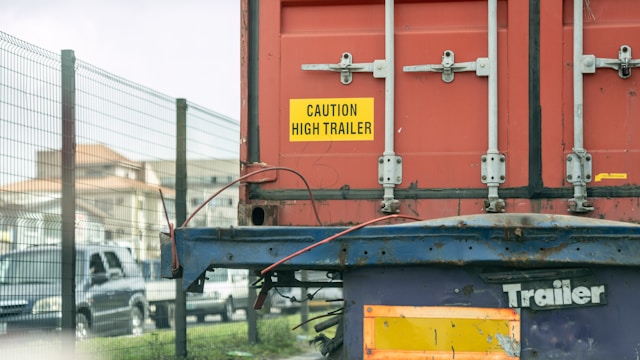

Hidden Dangers of Used Shipping Containers & How to Inspect Them Properly
Buying a used shipping container can be an excellent way to save money — but only if you know what to look for. While many pre-owned containers are in great shape, others hide structural damage, contamination, or corrosion that can cost you down the line. Understanding the key inspection points is essential before committing to a purchase.
In this guide, we’ll uncover the most common used shipping container inspection issues and explain how to identify them like a pro. Whether you’re buying a single unit for storage or outfitting multiple containers for business use, these tips will help you buy confidently and avoid costly surprises.
Why Used Containers Can Be Risky
Used containers often come from international shipping fleets where they’ve been exposed to harsh weather, rough handling, and chemical residues. While most suppliers clean and repair units before resale, hidden defects may remain if you skip proper inspection.
- Rust and corrosion: Coastal or high-humidity exposure can weaken structural panels.
- Floor damage: Moisture or forklift wear can compromise wood floors over time.
- Odor or chemical residue: Containers once used for industrial goods may retain harmful residues.
- Door alignment issues: Bent frames make locking or sealing difficult — a sign of structural strain.
That’s why working with reputable suppliers like YES Containers is essential. Every used unit we offer goes through rigorous inspection and quality control.
Step-by-Step Guide: How to Inspect a Used Shipping Container
If you’re viewing containers in person or requesting inspection photos, follow this simple checklist to ensure your purchase meets standards.
- 1. Check the exterior: Look for dents, deep rust patches, and frame warping. Surface rust is normal; structural corrosion is not.
- 2. Inspect the roof: Climb up safely and check for soft spots, bends, or accumulated standing water.
- 3. Examine the doors and seals: Open and close both doors to confirm alignment and airtight closure.
- 4. Inspect the floor: Tap or press different areas to detect soft spots or dampness. Marine plywood floors should feel solid and dry.
- 5. Check the interior walls: Look for streaks, stains, or rust indicating leaks or condensation buildup.
- 6. Verify the container ID: Cross-check the container number against documentation to confirm history and origin.
If you’re buying remotely, ask for clear images of all six sides, corners, and interior angles. Reliable suppliers will happily provide these for transparency.
When to Choose a Used vs. New Container
Used containers are perfect for non-structural or short-term applications — like on-site storage, workshops, or construction tool housing. However, for residential conversions or long-term commercial projects, new containers are often worth the investment. They offer guaranteed integrity, weatherproofing, and decades of lifespan.
Still unsure? Our Shipping Container Delivery and Pay on Delivery options make it easy to get started with minimal risk — perfect for testing one unit before scaling up.
Expert Tips for Safer Purchases
These practical steps will help you avoid the most common pitfalls when purchasing used containers:
- Always request detailed inspection photos before purchase.
- Ask about the container’s previous cargo type and storage conditions.
- Choose suppliers offering guarantees or return policies.
- Consider minor refurbishments such as repainting or replacing door seals for longevity.
For added peace of mind, you can also hire an independent inspector if buying through a third-party broker. It’s a small investment that can prevent major losses.
Frequently Asked Questions About Used Container Inspections
How long does a used container last?
With proper maintenance, a used container can last 10–20 years. Regular rust treatment and repainting can extend its life significantly.
Are used containers safe for living spaces?
Yes — but only after thorough inspection and cleaning. Some older containers may have carried chemicals or pesticides, so always ensure proper ventilation and flooring replacement before converting for living use.
Can I modify a used container?
Absolutely. Used containers are ideal for DIY workshops, sheds, or small offices. However, if you’re planning a large-scale project like a container home, it’s often better to start with a newer model to avoid structural issues.
Where can I buy reliable used containers?
You can find fully inspected units in our shop. We stock a range of used 20ft containers and used 40ft high cube containers ready for fast delivery nationwide.
Key Takeaways and Conclusion
Buying used containers can deliver big savings — but skipping inspection is a mistake that could cost more than you save. Always verify the condition, check for hidden damage, and buy from trusted suppliers. A small amount of diligence ensures your investment is solid, safe, and built to last.
Ready to find your ideal unit? Browse our current offers or get a quote today. For expert advice, call 800-223-4755 or visit our blog for more container maintenance and buying tips.
With proper inspection and care, a used container can serve you reliably for years — making it one of the smartest investments in 2025.
