

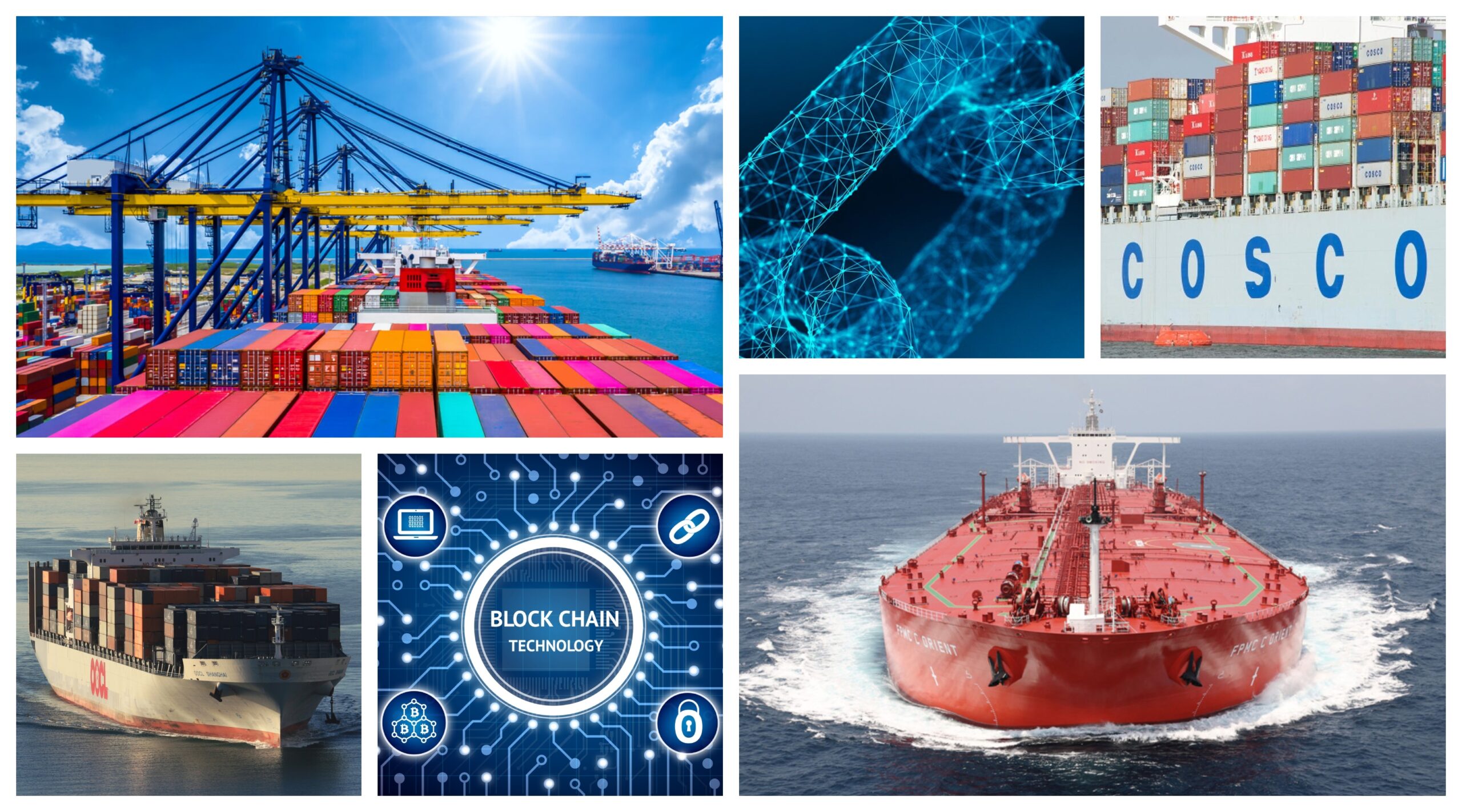

How Blockchain Technology Is Revolutionizing Chemical Cargo Tracking Across the World
Written on October 13, 2025
by Andrew Malone
In the following categories: Blockchain, Crypto and NFT's in the Shipping Containers World, Container Shipping Industry
The global chemical shipping industry is embracing blockchain technology to improve transparency, safety, and traceability in cargo transport. In 2025, projects led by Chinese and international logistics companies continue to demonstrate how blockchain and IoT integration can transform one of the world’s most complex and high-risk supply chains.
Why Chemical Cargo Tracking Needed Innovation
Transporting chemical cargo is inherently challenging. These materials often travel long distances, crossing multiple jurisdictions and changing hands many times between suppliers, transporters, and buyers. This complexity has historically made it difficult to track shipments, verify compliance, and prevent mislabelling or fraud.
Traditional tracking systems rely on siloed databases and manual updates—leaving room for errors, inconsistencies, and delays. A single miscommunication in the supply chain can lead to accidents, contamination, or non-compliance with safety regulations. To address these risks, blockchain technology is being used to create immutable digital ledgers that record every transaction and movement of cargo in real time.
How Blockchain Improves Safety and Transparency
Blockchain creates a decentralized and tamper-proof record of all cargo transactions. Each shipment event—from container loading to delivery—is recorded on the ledger and instantly visible to authorized stakeholders. This provides:
- End-to-end visibility: Every actor in the chain can verify where cargo is and under what conditions it’s stored.
- Enhanced safety compliance: Ensures hazardous materials are transported under approved environmental and safety standards.
- Reduced fraud and mislabelling: Immutable certificates and origin tracking eliminate data manipulation.
According to the Global Shipping Business Network (GSBN), this technology has the potential to create a truly paperless logistics framework—streamlining certification and reducing administrative delays.
Global Partnerships Driving Blockchain Adoption
Several major organizations are at the forefront of implementing blockchain in chemical shipping:
- GSBN, COSCO, and OOCL – collaborating with the Shanghai Research Institute of Chemical Industry Testing (SICIT) to verify safety certifications via blockchain, ensuring real-time validation and authenticity.
- CHLIV (Chemical Industry and Logistics Initiative for Value Chain) – a platform developed by Sinochem Energy Technology, Royal Dutch Shell, and China National Chemical Information Center to enhance transparency and accountability.
The CHLIV platform provides real-time monitoring of cargo conditions such as temperature, humidity, and environmental factors. This helps companies maintain compliance with hazardous material regulations while ensuring quality and safety throughout the shipping process.
Learn more about how blockchain supports global supply chains through this UNCTAD report on blockchain in logistics.
IoT Integration: The Next Step in Chemical Cargo Management
Blockchain’s potential multiplies when combined with Internet of Things (IoT) devices. Smart sensors attached to chemical containers can automatically transmit environmental data—temperature, vibration, or pressure—directly into the blockchain ledger.
This integration provides real-time cargo condition visibility, enabling automatic alerts if parameters deviate from safe thresholds. Such transparency minimizes risks, improves regulatory compliance, and enhances consumer trust.
Environmental and Compliance Benefits
By digitizing the chemical cargo process, blockchain significantly reduces paper waste, administrative bottlenecks, and human error. It also ensures that transportation certificates issued by organizations like SICIT remain verifiable and tamper-proof, supporting both environmental sustainability and data integrity.
Companies adopting this technology are aligning with the global sustainability goals outlined in the UN Sustainable Development Goals (SDGs), particularly those related to responsible consumption, innovation, and climate action.
The Future of Chemical Shipping and Blockchain
With successful blockchain pilots already underway, more global carriers and chemical producers are expected to adopt the technology in the coming years. The result will be safer, cleaner, and more efficient cargo movement—powered by transparent digital ecosystems that reduce risk across the supply chain.
For companies interested in shipping secure cargo or exploring customized container solutions, YES Containers provides used and new high cube shipping containers ideal for specialized industrial storage and transport.
Frequently Asked Questions
How does blockchain improve chemical cargo safety?
Blockchain records every step of the cargo journey, ensuring accurate certification, preventing tampering, and enabling real-time visibility for all supply chain participants.
What is CHLIV and how does it work?
CHLIV (Chemical Industry and Logistics Initiative for Value Chain) is a blockchain platform developed by Sinochem, Shell, and other partners to improve traceability and compliance in the chemical supply chain.
Is blockchain being used outside of China for chemical cargo tracking?
Yes. International companies and port authorities in Europe, the U.S., and Asia are adopting similar blockchain-based tracking systems to improve safety and efficiency in hazardous materials transport.
Can blockchain reduce shipping delays?
By digitizing paperwork and enabling instant verification, blockchain eliminates many of the administrative steps that traditionally cause customs or port delays.
To explore how containers support industrial logistics or chemical cargo solutions, visit our Shipping Container Delivery or Pay on Delivery pages for more information.
