

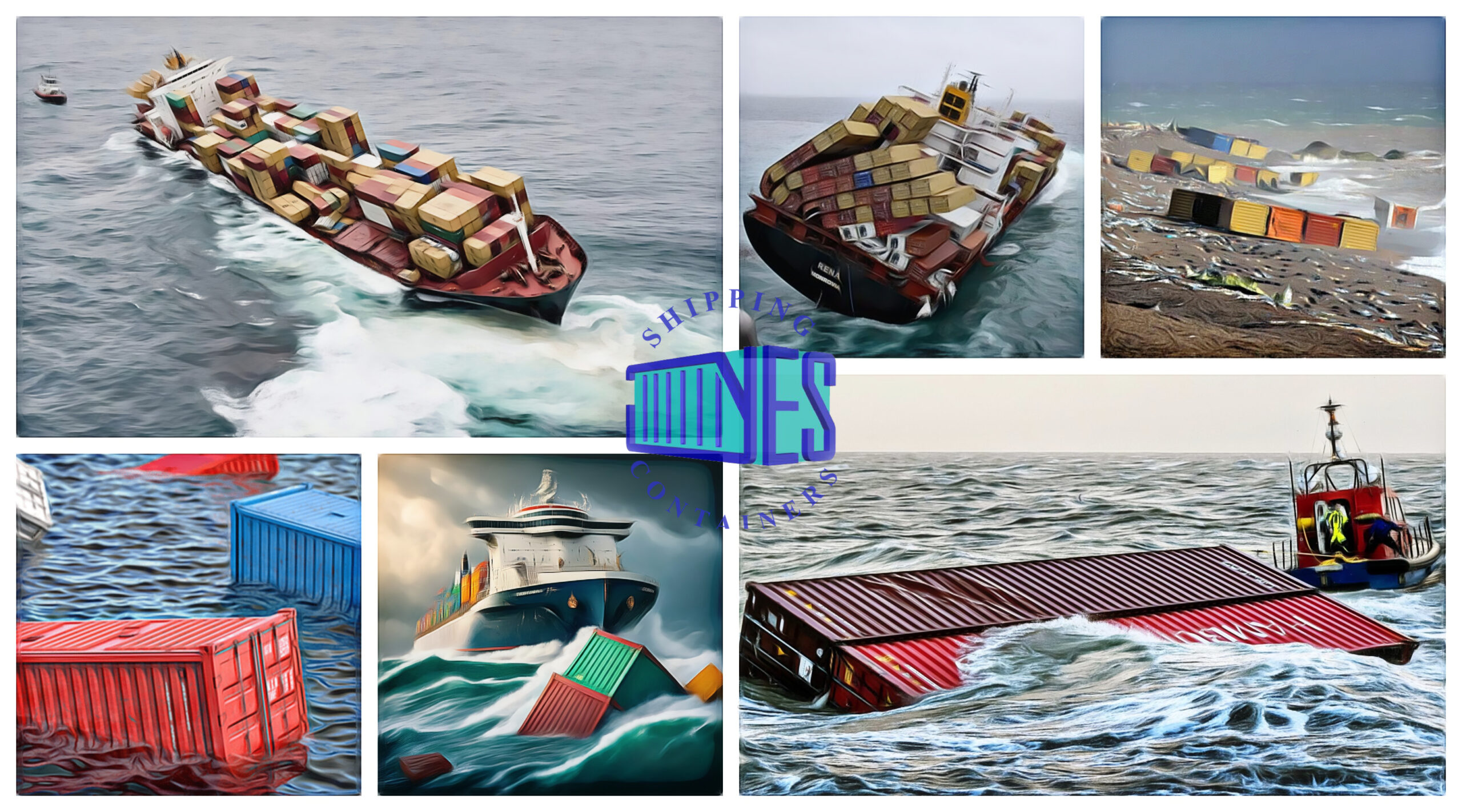

How Containers Lost at Sea Dropped to a Record Low in 2023: A Triumph for Maritime Safety
Written on August 24, 2025
by Alexandra Mkv
In the following categories: Container Shipping Industry, Did you know?, How To, News
The global shipping industry achieved a remarkable milestone in 2023, with only 221 containers lost at sea—the lowest number since records began in 2008. According to the World Shipping Council (WSC), this achievement marks a turning point for maritime safety and underscores how coordinated industry initiatives can make ocean transport safer and more sustainable.
Understanding the Record Low in 2023
After years of steady container losses, the WSC’s annual report revealed a dramatic improvement driven largely by the Marin TopTier Joint Industry Project. Launched three years ago in response to catastrophic incidents at sea, this collaboration has identified and mitigated the main causes of containers going overboard. For shippers and logistics professionals, it’s a critical success story in risk management and international cooperation.
The Marin TopTier project produced advanced training materials and best practices focused on managing dangerous parametric rolling—a key factor behind container loss. These insights are now used across fleets, improving crew preparedness and ship stability protocols worldwide.
Industry Leadership and Accountability
John Butler, CEO of the World Shipping Council, called the report “a validation of sustained safety investment.” Yet he also emphasized the need for continued vigilance. “Every container lost at sea represents a potential hazard,” Butler said, highlighting that the industry’s responsibility doesn’t end with the numbers. You can read his full remarks on Splash247.com.
Even with the record low, the environmental and navigational risks remain significant. Lost containers can damage coral reefs, harm marine wildlife, and pose threats to small craft and shipping lanes. This makes ongoing prevention and response planning vital to maritime safety and ecosystem protection.
New IMO Rules Strengthen Transparency
To sustain this progress, the International Maritime Organization (IMO) has introduced new mandatory reporting requirements for containers lost at sea, effective January 1, 2026. These upcoming regulations will compel ship operators to report losses in real time, enabling better data collection, faster response, and more precise policy development. The IMO’s goal: zero avoidable container losses.
For logistics firms and freight owners, these new obligations also create incentives to review container shipping security and operational compliance systems. Maintaining accurate cargo manifests and verifying tie-down integrity before each voyage are now even more critical steps in responsible shipping.
Why Collaboration Matters
The success of Marin TopTier and related programs illustrates how shared knowledge and coordinated investment can deliver measurable results. Collaborative data-sharing between shipping lines, insurers, and regulators has strengthened both safety and accountability. For practical insights into industry collaboration and shipping technology, explore our article How AI Is Revolutionizing Maritime Safety with Deep Eyes.
As we enter 2025, the momentum from these safety gains continues to influence how fleets are managed and how containers are built, stored, and handled. Manufacturers are focusing on more robust locking mechanisms and better materials, while shipping firms are investing in digital monitoring to detect dangerous motion patterns early.
What This Means for the Container Industry
Beyond safety, fewer container losses mean fewer disruptions and lower insurance premiums—key wins for global logistics. It also supports the broader trend of resilient container trade emerging after years of volatility. As industry technology improves, the need for safe onshore storage and reliable delivery logistics becomes even more critical to ensure continuity between ports and end users.
How to Support Safer Container Operations
Shipowners and cargo operators can take several practical steps to maintain this downward trend in container losses:
- Invest in training: Crews should receive ongoing instruction on stability, lashing, and weather risk management.
- Adopt real-time monitoring: IoT and sensor systems can detect motion anomalies before cargo is endangered.
- Perform regular maintenance: Containers used for long-term storage or redeployment should undergo rust, seal, and floor inspections. See Shipping Container Damage Prevention & Repairs for maintenance guidance.
- Inspect before loading: Always ensure the container’s structure and locking mechanisms meet certified standards. Our guide on Container Inspection Process explains how.
To ensure secure storage between trips, consider repositioning units onshore with portable container storage solutions. Proper maintenance and inland handling help prevent corrosion and damage that could later compromise maritime performance.
Looking Ahead: The 2026 Outlook
As the IMO’s mandatory reporting comes into effect, the industry is poised for even greater transparency. Combined with digital monitoring and predictive analytics, 2026 could become the safest year on record for maritime cargo. The combination of data, diligence, and design continues to move container shipping toward an era of proactive safety rather than reactive response.
Frequently Asked Questions (FAQ)
1) How many containers are lost at sea each year?
In 2023, only 221 containers were lost at sea—the lowest ever recorded since data collection began in 2008.
2) What causes containers to go overboard?
Common causes include heavy weather, improper lashing, and parametric rolling. Projects like Marin TopTier have developed mitigation tools to reduce these risks dramatically.
3) What happens when containers are lost at sea?
They can pose navigation hazards and environmental damage. That’s why the IMO’s new reporting rules aim to ensure rapid response and accountability.
4) How can shipping companies reduce loss risks?
Implement better lashing procedures, monitor weather forecasts, and use training resources like those developed under the Marin TopTier initiative.
5) Can containers used on land benefit from maritime safety practices?
Absolutely. Proper stacking, surface placement, and rust control techniques benefit both shipping and onshore storage. Learn how in How to Keep Rust Away From Your Shipping Container in 2025.
Related Resources
- Keeping Crews Safe: How AI Is Revolutionizing Maritime Safety
- Container Shipping Security Impact
- Maritime Cybersecurity Risks
- Global Shipping Trends 2024: Resilience Amidst Geopolitical Shifts
- 2025 Shipping Container Trends: Industry Guide
Need safe, secure container storage onshore? Explore Shipping Container Sales & Services 2025 or Get a Quote today to start your project with industry-grade containers delivered nationwide.
