


How Shipping Containers Are Made: Step-by-Step Manufacturing Process Explained (2025)
Written on November 10, 2025
by Alexandra Mkv
In the following categories: Did you know?
Shipping containers have revolutionized global trade, allowing safe, efficient, and high-capacity transportation of goods across oceans. Built to endure harsh marine conditions, these standardized boxes come in different sizes and types to transport almost any kind of cargo worldwide. But have you ever wondered how shipping containers are made?
What Are Shipping Containers Made Of?
Most modern containers are made from Corten steel, a weathering steel alloy known for its strength and resistance to corrosion. Some specialized containers may also use aluminum (for lighter loads), fiber-reinforced polymer, or a combination of materials to achieve specific performance goals such as insulation or weight reduction.
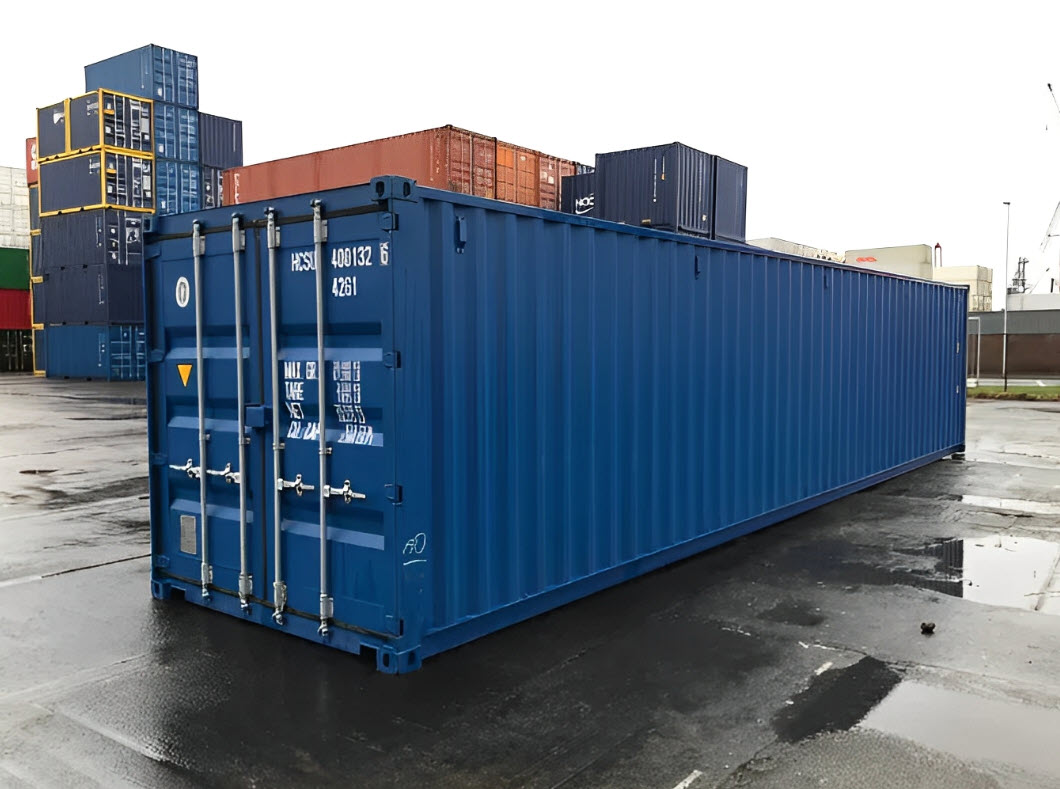
Each container features corrugated steel walls, a reinforced frame, and watertight doors. This unique design allows containers to stack securely on ships, trains, and trucks — the foundation of today’s intermodal logistics system.
How Shipping Containers Are Made: Step-by-Step Process
Below is a breakdown of the shipping container manufacturing process, from raw steel to a fully functional cargo unit ready for the seas.
- Steel Sheet Preparation: The process begins with large rolls of steel that are uncoiled and cut into sheets. These are the building blocks of the container walls, doors, and roof.
- Surface Treatment: The sheets undergo sandblasting and priming to remove contaminants, rust, and dirt — ensuring proper adhesion and corrosion protection.
- Corrugation: Sheets are corrugated to enhance structural strength, allowing the container to bear heavy loads and stacking pressure.
- Panel Assembly: Roof panels, floor braces, and wall sections are welded together. Square tubing is added along the top edges for rigidity.
- Floor Frame Construction: A separate steel frame is fabricated for the base. This section later supports wooden flooring and corner castings.
- Door and Corner Post Fabrication: Doors and corner posts are assembled independently and then integrated into the floor frame.
- Welding the Structure: All major parts — walls, doors, and posts — are welded to form a single box-like structure.
- Roof Installation: The roof panel is welded to the top frame, sealing the structure.
- Priming and Painting: The entire container is primed and painted — typically using marine-grade coatings to prevent corrosion.
- Flooring Installation: Wooden flooring panels, usually marine-grade plywood, are varnished and secured using screws and sealants to make the floor watertight.
- Door Hardware Installation: Handles, locking bars, hinges, and rubber seals are added to ensure the doors are secure and waterproof.
- Waterproofing and Testing: The container’s bottom is treated with sealant, followed by a watertightness test to ensure it meets ISO standards.
- Final Inspection: Each unit undergoes a final quality control check to confirm structural integrity, paint finish, and watertight performance.
Key Components of a Shipping Container
Every shipping container, regardless of size, includes the following essential parts:
- Corner Castings: For lifting, stacking, and securing containers on ships or trucks.
- Cross Members and Rails: Provide structural support and distribute load evenly.
- Corrugated Walls: Strengthen the container while minimizing material weight.
- Wooden Flooring: Made from durable, treated plywood for moisture resistance.
- Watertight Doors: Fitted with gaskets and locking bars for security and protection from the elements.
Durability and Design Standards
All containers must comply with ISO 668 and CSC (Convention for Safe Containers) standards. These international regulations ensure containers are safe for stacking, lifting, and transport in harsh marine environments. With proper maintenance, a standard steel container can last over 25 years.
If you’re curious about how these containers evolve after their shipping life, check out our article on shipping container homes — creative ways to repurpose old units into modern living spaces.
Conclusion
Understanding how shipping containers are made gives us an appreciation for the engineering precision and durability behind these everyday giants of global trade. From raw steel to watertight, weatherproof structures, containers are designed to endure decades of heavy use — keeping global commerce moving efficiently and safely.
Looking to buy or rent shipping containers for your next project? YES Containers provides nationwide delivery and expert guidance for storage, modification, or construction needs across the U.S.
