

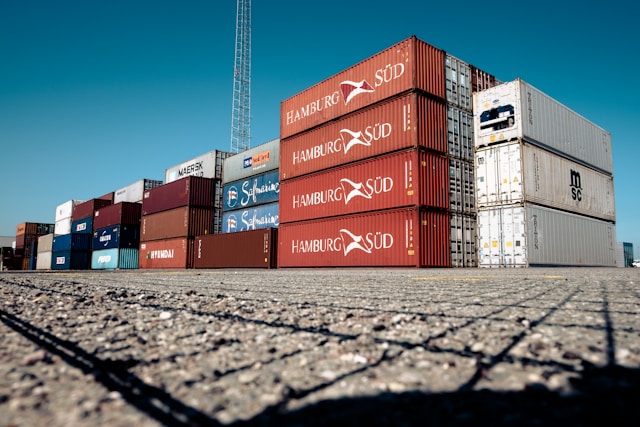

How Small Businesses Use Shipping Containers to Expand Without Leasing Space
Written on January 15, 2026
by Randy Lair
In the following categories: Container Use Cases
For many small businesses, growth brings a familiar challenge: the need for more space without the financial burden of long-term leases. Expanding into larger facilities often requires multi-year commitments, higher overhead, and reduced flexibility. Shipping containers have emerged as a practical solution for businesses that need additional operational space without locking themselves into traditional real estate.
From storage and workshops to temporary offices and staging areas, containers allow small businesses to scale operations incrementally while maintaining control over costs.
The Space Constraint Facing Growing Small Businesses
Small businesses frequently outgrow their initial space as inventory increases, services expand, or staffing grows. Leasing additional square footage can be risky, especially when growth is seasonal or demand fluctuates.
Containers provide an alternative that aligns more closely with the realities of small business operations.
Why Shipping Containers Appeal to Small Business Owners
Shipping containers offer durability, security, and mobility at a lower cost than traditional expansion options. They can be placed on existing property, adjacent lots, or temporary locations depending on availability and regulations.
This flexibility allows businesses to respond to growth opportunities without committing to permanent real estate changes.
Common Ways Small Businesses Use Containers
Small businesses across many industries use containers to support daily operations and growth.
- Overflow inventory storage
- Workshops or fabrication areas
- Temporary offices or meeting spaces
- Equipment and tool storage
Expanding Capacity Without Long-Term Risk
One of the biggest advantages of container-based expansion is risk reduction. Businesses can add capacity when needed and scale back if demand changes.
This approach supports sustainable growth without overextending financial resources.
Cost Control and Cash Flow Management
Leasing additional space often comes with hidden costs such as utilities, maintenance, and property taxes. Shipping containers involve a more predictable cost structure.
By controlling upfront and ongoing expenses, businesses preserve cash flow for core operations.
Mobility for Changing Business Needs
Small businesses may relocate, expand to new markets, or adjust their operating footprint over time. Containers can be moved to new locations as business needs evolve.
This mobility supports growth without tying expansion to a single property.
Security for Inventory and Equipment
Protecting inventory and equipment is critical for small businesses. Shipping containers offer steel construction and lockable access, reducing theft risk.
This level of security is particularly valuable for businesses storing tools, materials, or high-value products.
Supporting Seasonal and Project-Based Businesses
Businesses with seasonal demand or project-based workflows benefit from temporary space that can be added or removed as needed.
Containers align well with these operational patterns by providing on-demand capacity.
Zoning and Compliance Considerations
Small business owners should verify local zoning rules before placing containers on-site. Temporary use is often more flexible than permanent expansion.
Understanding compliance requirements helps avoid interruptions or penalties.
Delivery and Placement Planning
Successful container deployment depends on site access, ground conditions, and clearance. Planning ahead ensures smooth installation.
Delivery considerations are outlined on the Shipping Container Delivery page.
Repurposing or Relocating Containers as Businesses Grow
As operations change, containers can be repurposed for new uses or relocated to different sites. This extends their value over time.
Relocation options are available through the Shipping Container Pick-Up page.
Frequently Asked Questions
Are shipping containers affordable for small businesses?
Yes, they are often more cost-effective than leasing additional space.
Can containers be used temporarily?
Yes, temporary placement is a common use case.
Do containers require permanent foundations?
Often no, depending on local rules and intended use.
Can containers grow with the business?
Yes, they can be added, relocated, or repurposed over time.
Key Takeaways
- Shipping containers enable flexible small business expansion
- They reduce reliance on long-term leases
- Lower costs help preserve cash flow
- Mobility supports evolving business needs
- Containers scale with growth and demand changes
Shipping containers offer small businesses a practical way to expand operations without the financial and operational risks of traditional leasing. By providing secure, flexible space that adapts to changing needs, containers support sustainable growth while maintaining control over costs.
