

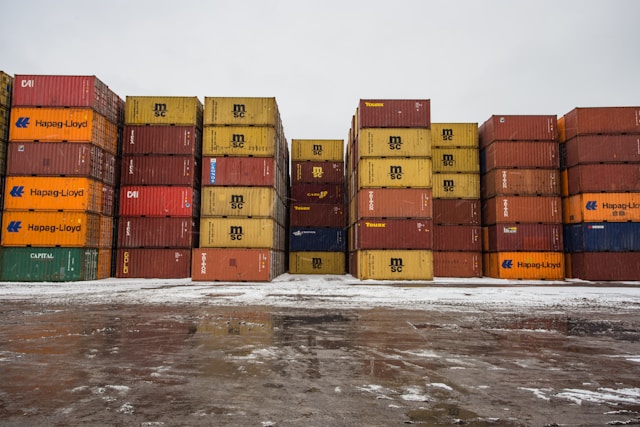

How to Inspect a Used Container Like a Pro (Cold-Weather Checklist)
Written on November 19, 2025
by Randy Lair
In the following categories: How To, Shipping Container Maintenance & Fabrication
Before you buy a used container, a thorough inspection is crucial. Whether you’re purchasing from a local yard or ordering online, understanding how to inspect a used shipping container can help you avoid costly surprises and ensure your investment lasts for years.
This expert-backed guide walks you through the essential checks — especially important during cold weather, when temperature shifts reveal leaks, corrosion, and other hidden flaws.
Why Used Containers Require Careful Inspection
Used containers often serve years at sea, exposed to salt, heat, and mechanical stress. Even if they’re structurally sound, wear and tear can affect their long-term performance. Inspections ensure your container is:
- Structurally safe and watertight
- Free from hazardous residue or strong odors
- Fit for your intended use — storage, conversion, or shipping
- Accurately graded (CWO, Wind & Watertight, or As-Is)
Suppliers like YES Containers perform professional inspections before resale, but if you’re buying independently, here’s what to look for.
Exterior Inspection: The First Line of Defense
Walk around the entire container to identify visible damage. Pay close attention to:
- Roof panels: Dents or bends can collect standing water and cause rust.
- Sidewalls: Look for deep dents, weld cracks, or corrosion streaks.
- Doors and hinges: Ensure they open smoothly and seal tightly.
- Locking bars: Test all handles and rods — they should move without sticking.
For a detailed visual reference, check out FreightWaves’ inspection guide for common damage patterns seen in secondhand containers.
Interior Inspection: Where Hidden Issues Hide
Step inside the container during daylight and close the doors. Look for small beams of light — they indicate potential holes or rust breaches. Also check:
- Flooring: Soft spots or discoloration may signal moisture damage.
- Odor: Strong chemical smells can reveal prior hazardous cargo use.
- Walls and ceiling: Surface rust can be cleaned; deep corrosion cannot.
- Corners: Condensation collects here; check for mold or damp patches.
If you plan to modify or insulate the container, ensure interior walls are clean and structurally intact before sealing or welding.
Cold-Weather Inspection Tips
Cold temperatures expose flaws that may not appear in warm weather. To inspect effectively during winter:
- Check seals and gaskets for brittleness — cold air hardens rubber quickly.
- Tap exterior panels with a mallet — hollow sounds may indicate internal rust.
- Inspect the underside for frozen condensation or corrosion near corner castings.
- Confirm the flooring is dry, as trapped moisture can expand and warp under freezing temperatures.
If possible, perform the inspection in daylight with a flashlight for darker corners.
Common Red Flags to Avoid
- Uneven or sagging roof lines
- Severe rust around door frames
- Water stains along interior corners
- Warped doors or compromised locking rods
- Containers that “tilt” or rock when placed on flat ground
These signs often indicate structural fatigue and should be avoided unless you plan to repair or cut down the container for parts.
Frequently Asked Questions About Used Container Inspections
Can a used container still be wind and watertight?
Yes. “WWT” containers are used units that pass basic leak and weatherproofing tests, making them ideal for storage and modifications.
What’s the difference between “CWO” and “As-Is” containers?
“Cargo Worthy” (CWO) containers meet international shipping standards, while “As-Is” containers may have cosmetic or structural damage unsuitable for sea transport.
Should I buy a container without seeing it?
It’s best to request recent photos and inspection reports. Reputable sellers like YES Containers provide detailed images and condition notes for each listing.
Can I repair rust or small leaks?
Yes. Surface rust can be sanded and sealed with marine-grade paint. Small leaks can be patched with steel plates or epoxy sealants, depending on the damage.
Key Takeaways and Conclusion
Knowing how to inspect a used shipping container gives you the confidence to buy smart and avoid unexpected repair costs. Pay attention to both cosmetic and structural integrity, and always verify the container’s grade before purchase.
When in doubt, buy from trusted suppliers that guarantee quality and transparency. Visit our shop to browse available units, explore current offers, or get a quote today. For expert insights, check out our blog or call 800-223-4755 to speak with our team directly.
