

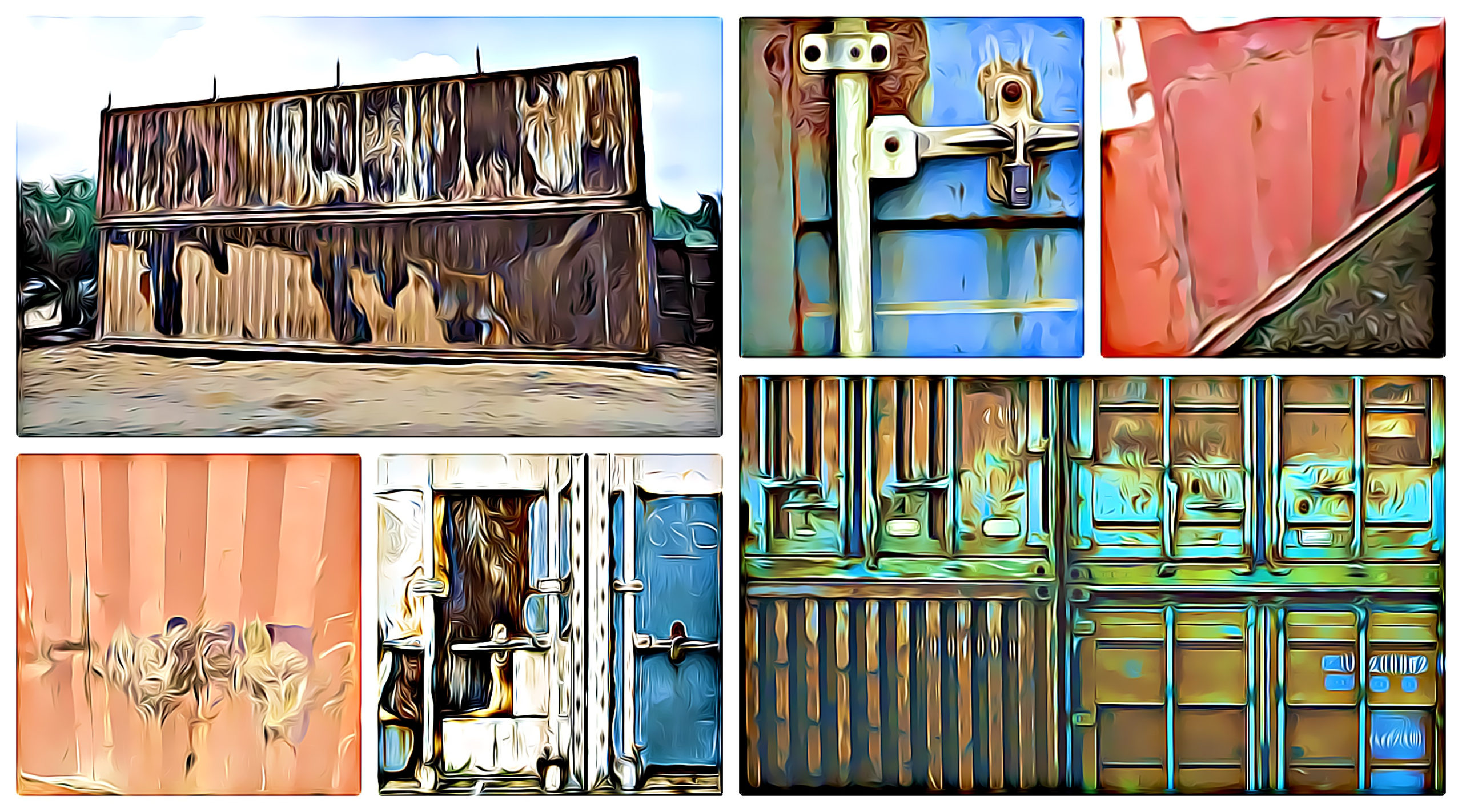

How to Keep Rust Away from Your Shipping Container in 2025
Written on November 14, 2020
by Anna Nichita
In the following categories: How To, Shipping Container Maintenance & Fabrication
Shipping containers are built tough — but they’re not indestructible. Even though shipping containers are made from Cor-Ten steel (also called weathering steel), they can still rust and corrode over time, especially in humid or coastal environments.
Whether you use your container for storage, construction, or housing, regular maintenance is the key to keeping rust at bay. This guide will show you how to prevent rust on shipping containers, how to remove existing corrosion, and how to make your container last for decades.
Understanding Why Shipping Containers Rust
What Is Cor-Ten Steel?
Cor-Ten steel, developed by U.S. Steel in the 1930s, stands for “corrosion resistance” and “tensile strength.” It’s a steel alloy that forms a protective oxide layer when exposed to alternating wet and dry conditions — slowing the rusting process.
However, Cor-Ten steel is not rust-proof. The steel still oxidizes when exposed to moisture and oxygen. The protective layer forms only if the container experiences both wet and dry periods — a balance that’s disrupted in some climates.
How Rust Forms
Rust occurs when iron reacts with oxygen and water, creating hydrated iron oxide (the reddish-brown rust we see).
Continuous exposure to salt air, humidity, or standing water accelerates this reaction, weakening the container’s structure over time.
Climate and Location: The Hidden Factors Behind Rust
Where your container sits plays a huge role in how fast it corrodes:
-
Coastal areas with salt-laden air cause faster rusting.
-
Humid or rainy climates encourage oxidation.
-
Regions with alternating wet and dry periods allow the protective oxide layer to form properly — making these ideal for container placement.
If you’re planning a container home or storage setup, avoid areas with constant fog or high rainfall.
You can read more about proper setup and climate considerations in our guide on Shipping Container Architecture and Design.
How to Prevent Rust on Shipping Containers
1. Power Wash and Paint After Delivery
When you receive your container, power wash it thoroughly to remove dirt and contaminants. Then, apply fresh paint to reinforce the existing rust-proof coating.
For maximum protection, use marine-grade DTM (Direct to Metal) paint — the same type used for ships and coastal structures.
Paint Quantity Guide:
-
20ft container → ~4 gallons of paint
-
40ft container → ~8 gallons of paint
You can order new and used containers pre-coated and ready to paint through our container sales page.
2. Perform Regular Visual Inspections
Every few months, walk around your container and look for:
-
Dents that collect rainwater (especially on the roof)
-
Scratches or scuffs that expose bare metal
-
Pooled water near corners or seams
Early detection can prevent surface rust from turning into structural damage.
If your container was delivered through our shipping container delivery service, our team can inspect it upon drop-off for any pre-existing coating issues.
3. Keep Water Away
Avoid allowing standing water to accumulate on or near your container:
-
Level the ground beneath the container and use gravel or concrete footings.
-
Clear debris from the roof regularly.
-
If possible, add gutters or rain deflectors to direct water away.
For long-term installations, cladding or roofing extensions can further protect the steel from weather exposure.
4. Shield the Container from the Elements
If you live near the coast or in a storm-prone area, consider:
-
Planting vegetation to act as a natural barrier against wind and rain.
-
Adding cladding to the sides most exposed to the elements.
-
Covering the roof with a protective membrane or additional paneling.
These methods are simple yet effective for maintaining your container’s resale value and longevity.
How to Remove Rust from a Shipping Container
If your container already has rust spots, here’s how to fix them before they spread:
Step-by-Step Rust Removal Guide
-
Scrape and Sand
Use a wire brush to remove loose rust. Follow up with sandpaper to smooth the surface down to clean, bare metal. -
Clean with Vinegar
Apply white vinegar to neutralize oxidation. Let it sit and dry completely before painting. -
Seal and Paint
Use marine-grade DTM paint or a zinc-rich primer to seal the cleaned area. -
Inspect After Drying
Ensure the rust doesn’t return before applying any finishing coats.
For heavy corrosion, sandblasting is the best solution — it’s more expensive but ensures a clean, rust-free surface before resealing.
How to Extend the Lifespan of Your Container
-
Inspect quarterly for dents and scratches.
-
Touch up paint on damaged spots immediately.
-
Keep the roof clean and dry.
-
Avoid stacking containers unless they’re properly aligned and sealed.
-
Consider insulating your container if used for housing or office purposes.
To see how containers can be repurposed and maintained for long-term use, check out How Shipping Containers Are Used in Modern Construction.
Frequently Asked Questions (FAQ)
1. How often should I repaint my shipping container?
For best protection, repaint every 3 to 5 years, depending on exposure to sun and moisture.
2. Can I use any paint for my container?
No. Always use marine-grade or DTM (Direct to Metal) paint — regular paint will not adhere properly to steel.
3. How do I prevent rust under the container?
Use concrete blocks or steel supports to elevate it off the ground and prevent moisture buildup underneath.
4. What climates are worst for containers?
Avoid coastal, tropical, or fog-heavy areas where humidity and salt can accelerate corrosion.
5. Is rust on a used container normal?
Yes — minor rust spots are expected. They’re easy to fix and don’t affect structural integrity if treated early.
Conclusion
Rust prevention is one of the most important parts of maintaining your shipping container investment. Even though Cor-Ten steel is durable, moisture, salt, and neglect can shorten your container’s lifespan significantly.
By power washing, repainting, and inspecting regularly, you can ensure your container stays rust-free and structurally sound for decades.
If you need professional help, contact YES Containers for advice on rust prevention, repainting, and affordable container maintenance services.
