

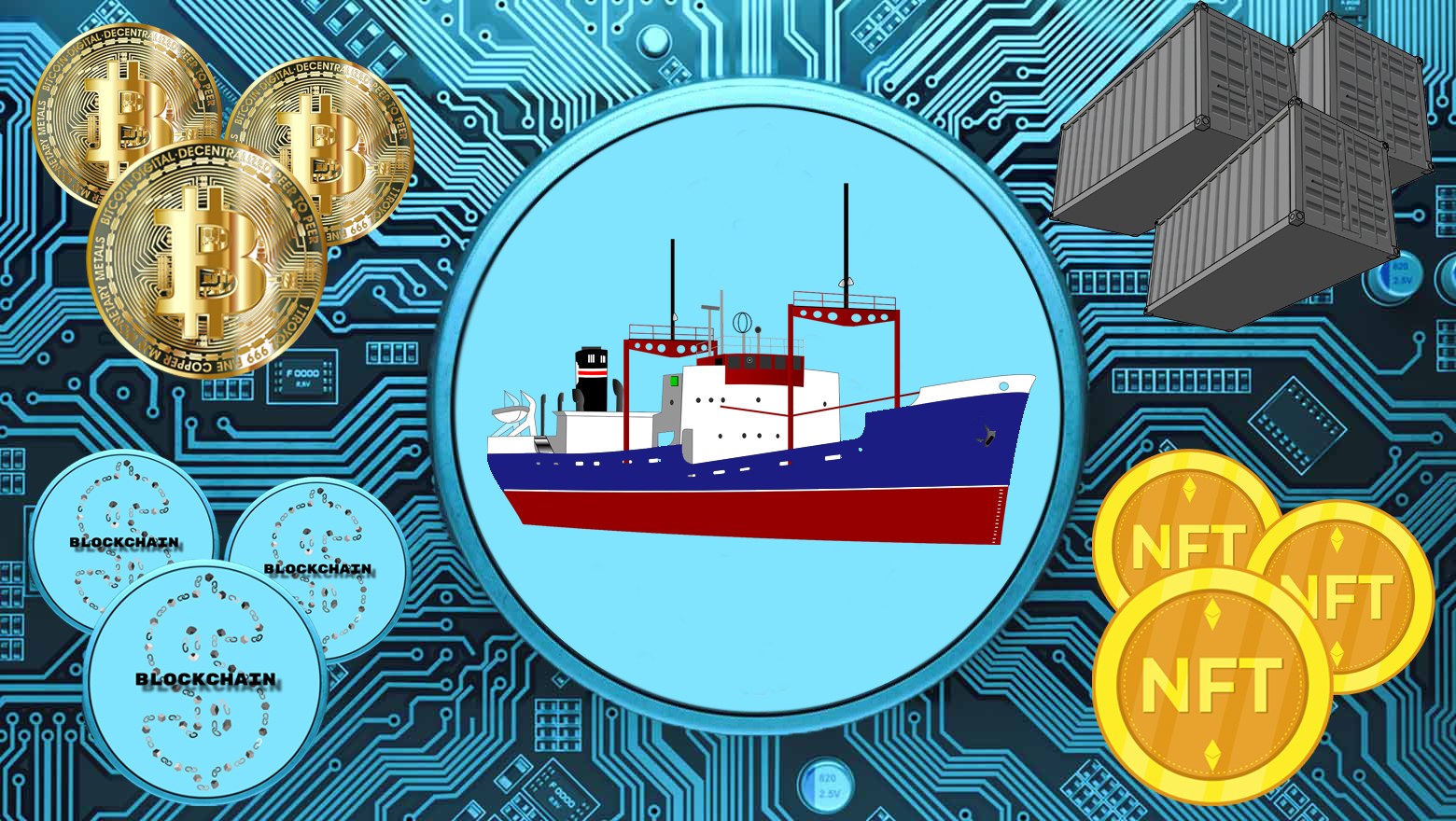

How To Understand Blockchain, Crypto, and NFTs in the Shipping Container Industry – Part 3
Written on October 3, 2025
by Andrew Malone
In the following categories: Blockchain, Crypto and NFT's in the Shipping Containers World, How To
Previously, in our last two posts, we explored how Blockchain and Cryptocurrency are being integrated into the Shipping Container Industry. Now, in this third part, we’ll dive into how NFTs (Non-Fungible Tokens) are entering this space — and why it’s not as far-fetched as it sounds.
Believe it or not, a shipping container liner was sold from Amann Shipping to a new Chinese owner, Yongwang Shipping, through an NFT — minted to commemorate the world’s first “crypto ship.” Let’s explore what happened and why this event matters for the global container and logistics industry.
The First Ship Sold as an NFT: The Story of Padian 1
Back in 1999, Amann Shipping Company built Padian 1, a 411 TEU container ship and the pioneer of their fleet. After more than two decades at sea, the vessel was put up for sale. When Yongwang Shipping made an offer, Amann decided to take a bold step — selling it as an NFT (Non-Fungible Token).
Blockchain technology made it possible to create a complete and secure digital record of the ship’s life, providing a modern and practical solution for handling vessel documentation and ownership transfers.
A maritime lawyer and NFT strategist helped mint the first-ever ship NFT, which included detailed digital records such as:
-
Ownership certificates
-
Structural drawings
-
Capacity plans
-
Survey records
-
Images and specifications
The ship itself was physically transferred, but its digital twin — the NFT record — will live indefinitely on the Ethereum blockchain, preserving its historical and technical data.
For more insights into maritime blockchain adoption, see these references:
How NFTs Could Revolutionize Vessel Transactions
Right now, vessel and container documentation is mostly handled via email attachments and scanned files, which can be time-consuming and prone to error.
NFTs offer a solution:
-
No size limits on records (unlike emails)
-
Permanent, tamper-proof data storage
-
Instant transfer of ownership
-
Reduced administrative costs
This technology could soon become a standard for shipping container sales and cargo documentation, ensuring transparency and faster deal closures.
If you’re exploring shipping containers for sale, this technology could soon help you verify container authenticity and track ownership instantly.
-
Browse used containers:
Used 20ft Containers
Used 40ft Standard Containers
Used 40ft High Cube Containers -
Browse new containers:
New 20ft Standard Containers
New 40ft High Cube Containers
New 40ft Double Door Containers
Why Blockchain and NFTs Matter for the Shipping Container Industry
Blockchain and NFTs can bring efficiency and trust to global shipping operations by digitizing physical assets and creating secure, verifiable records.
Benefits Include:
-
Transparency: Clear chain of custody for containers and ships.
-
Security: Data stored on blockchain cannot be altered.
-
Speed: Instant transactions and record transfers.
-
Sustainability: Paperless documentation reduces waste.
As the global shipping industry becomes more digitized, these tools could reduce fraud, lower administrative overhead, and speed up international trade.
For current blockchain applications in logistics, check out:
Looking Ahead: Shipping Containers in the Digital Era
The Padian 1 NFT may have been symbolic, but it demonstrates the growing acceptance of digital ownership in the maritime and logistics industries.
Soon, every cargo container, vessel, or asset could have its own blockchain-based digital identity, storing decades of data for reference or resale.
At Yes Containers, we’re committed to embracing modern technology while delivering secure, affordable, and high-quality containers to customers across the U.S.
-
Learn more about our Shipping Container Delivery Service
-
Discover our Pay on Delivery (POD) Option
-
Schedule a Shipping Container Pick-Up
FAQs About Blockchain and Shipping Containers
Q1: Can NFTs really be used for shipping containers?
Yes. NFTs can securely represent ownership, maintenance, and transaction records for physical containers, reducing fraud and streamlining logistics.
Q2: Is blockchain technology already used in shipping?
Yes, major shipping companies like Maersk and IBM have used blockchain platforms to track cargo and verify supply chains. (See https://www.ibm.com/blockchain for more info.)
Q3: How soon will this technology affect container sales?
Adoption is increasing quickly. By 2026–2027, NFT-based asset records and blockchain-verified container ownership could become common practice.
Q4: Can small or medium businesses benefit from blockchain?
Absolutely. Even small container resellers or logistics providers can use blockchain tools to verify transactions, track shipments, and build trust with clients.
In summary:
Blockchain, crypto, and NFTs are not just futuristic concepts — they’re becoming essential technologies shaping the future of the shipping container industry. As adoption grows, we can expect faster, more secure, and fully digital global trade operations.
