



Essential Guide to Shipping Container Damage: Prevention and Repairs
Written on January 9, 2025
by Anna Nichita
In the following categories: Container Shipping Industry, FAQ, How To, Shipping Container Maintenance & Fabrication
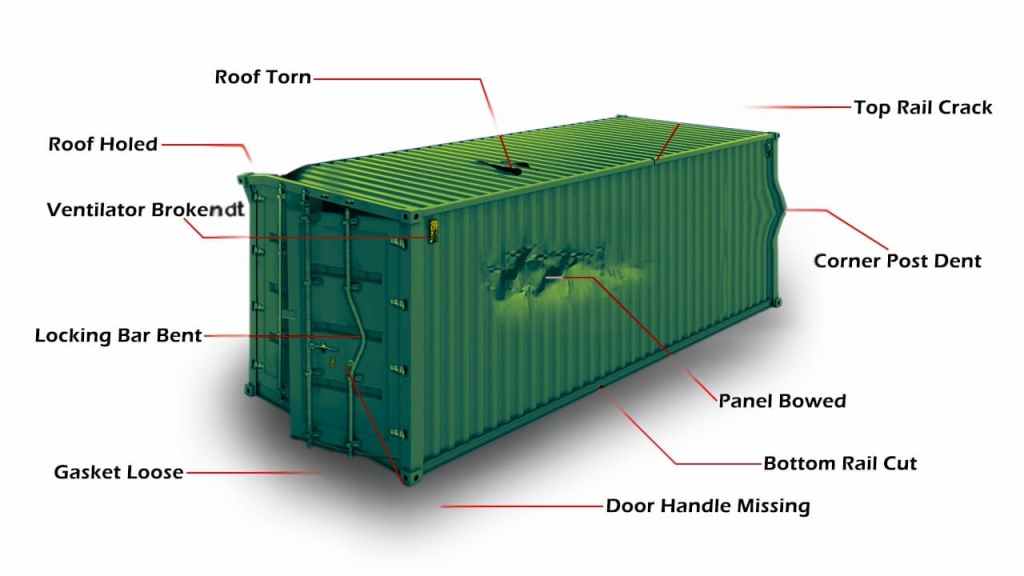
Shipping container damage can cause costly delays and compromise cargo safety. Whether you use containers for global shipping, storage, or conversion projects, understanding how to prevent and repair common damage is key to maintaining durability and value. In this essential 2025 guide, we’ll cover causes, prevention strategies, and expert repair tips to keep your containers in peak condition.
Common Types of Shipping Container Damage
Over time, containers face wear from both human handling and the elements. Below are the most common types of shipping container damage and what to watch out for:
- Rust and Corrosion: Steel containers are highly durable but vulnerable to rust when exposed to moisture or salt air. Rust weakens the metal and can cause leaks if untreated. Learn how to keep rust away from your shipping container using coatings and regular maintenance.
- Dents and Structural Damage: Mishandling during loading, stacking, or transport can dent walls or damage corner posts. These weaken structural integrity and can allow water ingress.
- Refrigeration Unit Failures: Reefers (refrigerated containers) rely on functional cooling systems. When compressors or insulation fail, perishable goods can spoil quickly, leading to expensive losses.
- Door and Seal Issues: Damaged gaskets, hinges, or locking rods cause poor sealing and moisture buildup inside the unit—ideal conditions for mold and corrosion.
- Infestation and Contamination: Containers that aren’t cleaned after transporting organic or chemical goods may attract pests or develop lingering odors. For cleaning guidance, read How to Clean Your Shipping Container Before Using It for the First Time.
Causes of Shipping Container Damage
According to the World Shipping Council, container damage typically stems from environmental stress, mishandling, or overuse. Understanding these causes helps prevent avoidable losses.
- Environmental Exposure: Constant exposure to saltwater, rain, and UV rays accelerates corrosion and paint degradation.
- Improper Handling: Using forklifts, cranes, or spreaders incorrectly can warp frames and dent panels.
- Overloading: Exceeding the container’s capacity strains the floor and walls, often leading to bowing or structural cracks.
- Poor Maintenance: Neglecting small issues allows them to compound—what starts as a rust spot can become a full breach.
Preventive Measures and Maintenance
Prevention is the best defense against costly repairs. Implement these best practices to protect your containers year-round:
- Regular Inspections: Check for rust, dents, leaks, and seal failures before and after every shipment or season.
- Proper Handling Training: Educate staff on correct lifting and stacking procedures to prevent mechanical damage.
- Weight Management: Adhere to container load limits to avoid bending or cracking floors and frames. Learn about floor care in our Shipping Container Floor Repair Guide.
- Environmental Protection: Apply anti-rust coatings, maintain drainage, and use desiccants or vents to prevent condensation damage. See our Container Maintenance Tips Guide for more upkeep advice.
- Timely Repairs: Fix minor issues early—patching small holes or resealing doors can prevent larger, more expensive damage.
Repairing Common Shipping Container Damage
When damage occurs, prompt repair ensures continued safety and longevity. Here are the most effective repair methods used by professionals and DIYers alike:
Rust Removal and Treatment
Remove surface rust using a wire brush or sandblaster. Clean thoroughly, then apply a primer and rust-resistant marine paint. Focus on corners, seams, and under door edges—areas most prone to corrosion.
Fixing Dents and Holes
Minor dents can be hammered out from the inside using a mallet and wood block. For larger holes or deep dents, weld metal patches and repaint. Regular maintenance prevents leaks and further rusting.
Refrigeration Unit Maintenance
For refrigerated containers, schedule inspections every 6 months. Check for refrigerant leaks, clean condenser coils, and replace aging gaskets. Proper maintenance ensures energy efficiency and temperature stability.
Door and Seal Repairs
Ensure locking rods turn smoothly and seals remain flexible. Replace cracked or flattened gaskets and lubricate hinges regularly. For persistent water leaks, inspect the container’s threshold and alignment.
When to Replace a Damaged Container
If the structure is severely compromised or repair costs exceed replacement value, upgrading is often the smarter investment. Check out Buying a Shipping Container Online Safely for tips on securing a high-quality replacement.
Why Container Maintenance Matters
Maintaining your containers extends their lifespan and ensures cargo safety. Well-kept units can last over 20 years—even in harsh conditions. Preventive care also saves thousands in potential repair and insurance costs. For long-term performance, follow best practices outlined in Shipping Container Grades: WWT vs. CW to choose durable containers for your needs.
Conclusion
Proactive maintenance and timely repairs are essential to keeping your shipping containers in top shape. By understanding the causes of damage and implementing preventive strategies, you can protect both your investment and your cargo. Whether you use containers for logistics, storage, or conversion projects, prevention pays off in durability, safety, and efficiency.
Related Resources
- How to Clean Your Shipping Container Before Using It for the First Time
- Repair or Replace the Delaminated Shipping Container Floors
- Shipping Container Maintenance Tips Guide
- How to Keep Rust Away From Your Shipping Container in 2025
- Shipping Container Grades: WWT vs. CW – What You Need to Know
Need a replacement or professional repair advice? Visit our Shipping Container Sales & Services 2025 page or Get a Quote to connect with our team and restore your container to top condition.
