

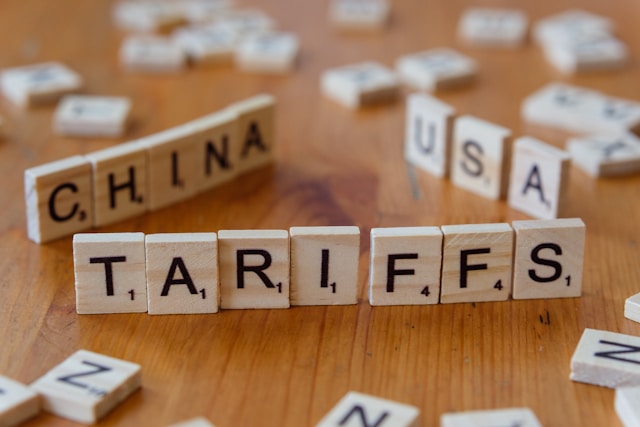

What the 2025 Tariff Battle Means for Shipping Containers — and Your Business
The global shipping industry is entering another turbulent chapter as 2025 container shipping tariffs reshape trade routes, costs, and supply chains. For businesses relying on imported or domestically sourced containers, understanding how these new tariffs work — and how to adapt — can make the difference between profit and loss.
In this article, we’ll break down what’s happening in the trade landscape, how tariffs impact container pricing, and what business owners can do to stay competitive as policy changes roll out worldwide.
Understanding the 2025 Container Tariff Shifts
New trade measures introduced in 2025 have created ripple effects across the shipping container market. As steel, manufacturing, and transport sectors adjust, container prices are once again in flux.
- Steel tariffs: Rising costs on raw materials used in container construction.
- Import duties: Increased fees on containers manufactured overseas, especially in Asia.
- Currency fluctuations: Shifts in the U.S. dollar are influencing international contract prices.
According to Reuters, several global carriers are lobbying for tariff relief to maintain container flow and control costs for end buyers.
How Tariffs Impact Container Buyers and Sellers
For container buyers, the new tariffs can increase prices — but they also introduce opportunities. Domestic suppliers like YES Containers can offer faster delivery and lower transport costs than overseas imports, helping customers avoid international tariff surcharges altogether.
Businesses in logistics, construction, and modular housing should factor these costs into 2025 budgeting, especially if planning to buy large quantities of containers for resale or repurposing. Buying locally or regionally can mitigate the impact of global policy shifts.
Smart Strategies to Offset Tariff Costs
Even with tariffs, smart procurement and planning can minimize financial impact. Here’s how to stay ahead:
- Source domestically: Use U.S.-based suppliers to avoid import fees and shipping surcharges.
- Buy in bulk: Larger orders can qualify for discounted pricing and reduced per-unit costs.
- Take advantage of offers: Check current YES Containers offers to secure 2025 rates before further changes.
- Plan early deliveries: Use services like Shipping Container Delivery to lock in transport before seasonal peaks.
Industries Most Affected by the 2025 Tariffs
While all import-reliant sectors are feeling the pressure, certain industries are particularly exposed:
- Construction and real estate: Builders using container-based designs face higher material costs.
- Retail logistics: Businesses importing containers for warehousing or mobile retail setups may see delivery delays.
- Manufacturing: Tariffs on steel and shipping can inflate production costs across the supply chain.
These trends are already reshaping buying patterns, pushing companies to prioritize suppliers who offer transparent pricing and flexible payment models like Pay on Delivery (POD).
Frequently Asked Questions About Container Tariffs
Why are container tariffs changing in 2025?
Tariff changes stem from trade tensions, inflation control, and global supply chain stabilization efforts. Governments are adjusting rates to balance domestic production incentives with import costs.
Will tariffs raise container prices permanently?
Not necessarily. Many analysts predict short-term volatility through 2026, followed by gradual normalization once new trade agreements take effect.
How can small businesses manage increased costs?
Plan ahead and source from reliable regional suppliers like YES Containers. Buying domestically reduces exposure to international tariff shifts and long shipping times.
Are there financing options for bulk container purchases?
Yes. Flexible options like Pay on Delivery allow businesses to manage cash flow without heavy upfront costs.
Key Takeaways and Conclusion
The 2025 container tariff battle is reshaping the shipping and logistics industry. While rising costs are a concern, they also create new opportunities for domestic suppliers and forward-thinking businesses. Those who adapt quickly will gain a competitive advantage in an evolving market.
To stay ahead of these changes, follow our updates on the YES Containers blog, or explore our shop for current inventory. Need personalized guidance? Get a quote or call 800-223-4755 to connect with our trade specialists today.
