

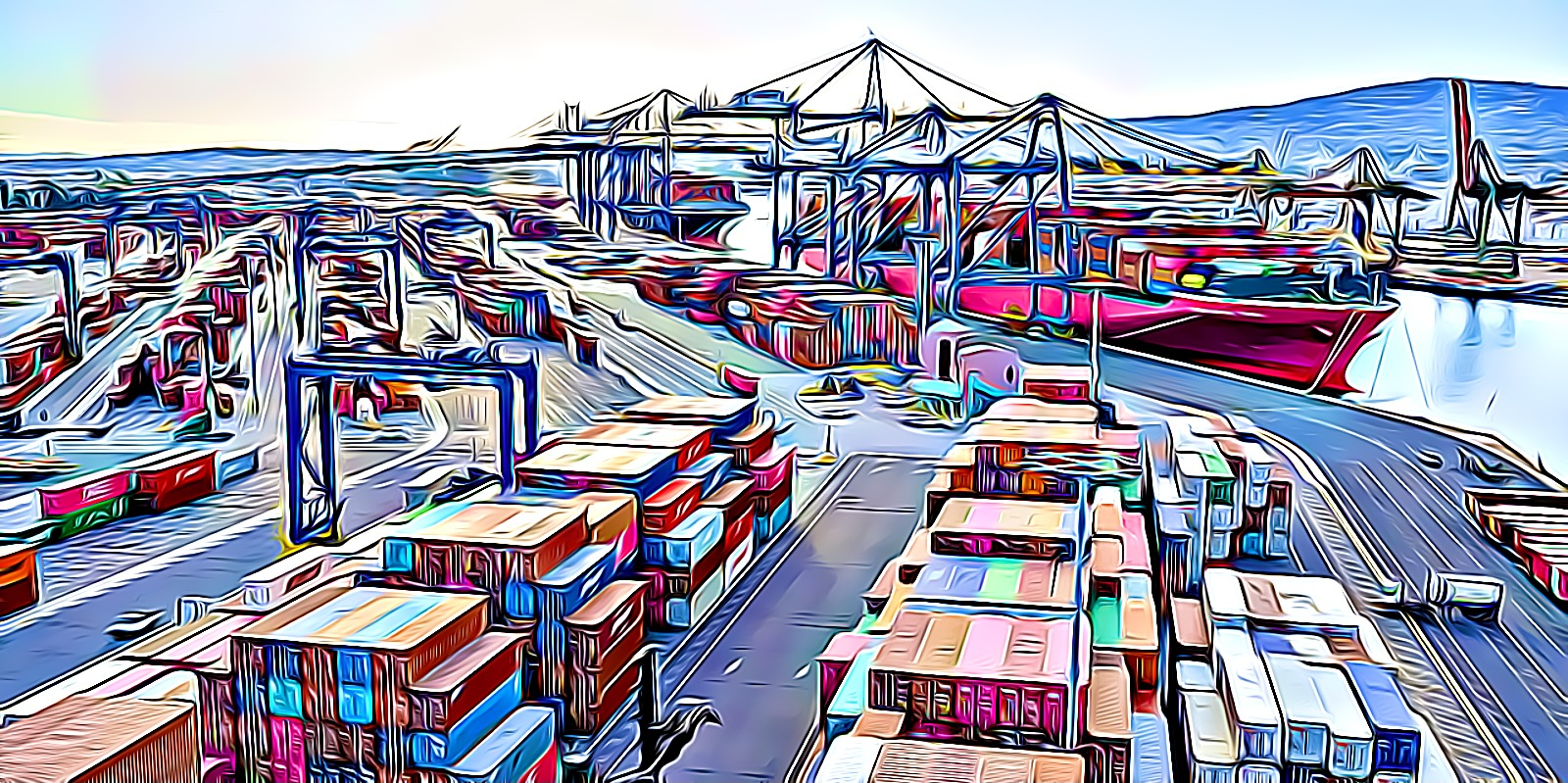

Will Biden be able to fix the competition in the shipping container world?
Written on July 19, 2021
by Adrian Stan
In the following categories: Container Shipping Industry, News
In 2021, as freight rates reached historic highs, President Joe Biden took steps to address growing concerns in the shipping container industry. With skyrocketing costs and a handful of global carriers dominating trade lanes, the administration’s focus turned to restoring competition and easing pressure on American exporters.
Why Biden Targeted the Shipping Container Industry
Throughout 2020 and 2021, the cost of transporting goods by sea soared to record levels. Container spot rates on the Shanghai–Los Angeles route reached $9,631 per FEU—an incredible 229% higher than the same period in 2020. These surges were driven by pandemic-related supply chain disruptions, increased e-commerce demand, and bottlenecks at major ports like Long Beach and Oakland.
American exporters faced not only inflated shipping prices but also excessive demurrage and detention charges that doubled within a year. These fees, originally meant to encourage timely loading and unloading, had become a significant financial burden for importers and exporters alike.
The Executive Order: What It Meant for the Industry
President Biden’s executive order called on two major federal agencies—the Federal Maritime Commission (FMC) and the Surface Transportation Board (STB)—to identify and address unfair practices by ocean carriers and rail companies. The order directed the following actions:
- Empowering the FMC to investigate anticompetitive behavior among global shipping alliances.
- Encouraging the Justice Department to scrutinize potential monopolistic practices.
- Pressuring major railroads to allow greater access to their networks by smaller competitors.
This move was part of a broader strategy to restore fairness in transportation and logistics—industries seen as critical to the U.S. economic recovery post-pandemic.
Container Rates and Market Realities
The Harpex Index, which tracks container ship charter rates, surged over 600% between early 2020 and mid-2021. The rapid escalation revealed just how concentrated the shipping container market had become. Major carriers, operating under large alliances, controlled nearly 80% of global capacity.
While these alliances helped stabilize supply chain operations before the pandemic, they also allowed carriers to exercise pricing power. The Biden administration’s intervention was meant to reintroduce balance and transparency, ensuring small and mid-sized exporters could compete.
How the Executive Order Could Shape the Future
If properly implemented, Biden’s actions could lead to:
- Increased oversight of container pricing and fees by the FMC.
- More transparency around demurrage and detention costs.
- Fairer access to port and rail infrastructure for smaller logistics providers.
- Potential long-term stabilization of container rates for U.S. businesses.
For traders, logistics companies, and buyers across the U.S.—from Texas to New Jersey—these policy changes could mean a more predictable container supply chain and lower operational costs in the years ahead.
Challenges in Regulating the Global Container Market
Despite the executive order’s goals, the reality is complex. Container shipping operates globally, and many carriers are headquartered outside the United States. While the FMC can regulate U.S.-bound trade practices, broader reform requires international cooperation.
Moreover, the surge in demand for containers has continued to strain supply chains. Even with new government oversight, high demand, port congestion, and labor shortages remain key challenges affecting freight rates.
FAQs
Did Biden’s order reduce freight rates immediately?
No. Freight rates remained high through 2022 and 2023 as global supply chain pressures persisted. However, the FMC’s increased oversight did lead to several investigations into unfair carrier practices.
How does this impact small U.S. exporters?
Increased oversight aims to protect smaller exporters from unreasonable fees and unfair trade practices, giving them more leverage when negotiating transport costs.
Will these policies continue under future administrations?
Yes, likely. Both political parties have shown interest in reducing monopolistic practices within the logistics and transportation sectors.
Key Takeaway: Competition Is the Path to Fairer Container Prices
The Biden administration’s push for competition in the shipping container industry marks a pivotal effort to stabilize global logistics. While reforms take time, oversight from the FMC and STB aims to curb anticompetitive practices and create a fairer, more accessible shipping market. For real-time pricing and delivery options, Get A Quote or call 800-223-4755 today.
