

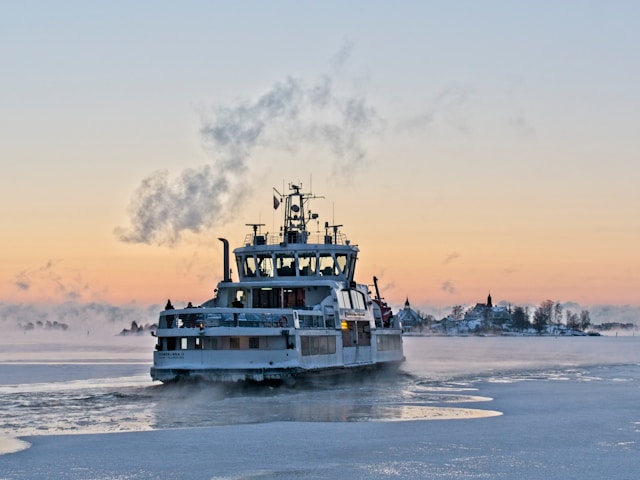

Arctic Express vs Suez in 2025 The Route Shift No Shipper Can Ignore
Written on November 11, 2025
by Adrian Stan
In the following categories: News
The global shipping world is watching a new route change history. The Arctic Express shipping route, once considered impossible, is now being tested as a viable alternative to the traditional Suez Canal corridor. With melting sea ice and new international partnerships, this northern shortcut is redefining how global trade flows between Asia, Europe, and North America.
As the 2025 winter season approaches, experts warn this emerging route could permanently shift container traffic — affecting delivery times, freight rates, and even how container suppliers like YES Containers manage logistics across the U.S.
What Is the Arctic Express Route?
The Arctic Express is a newly established shipping corridor running along the Russian Arctic coast, connecting the North Atlantic to the Pacific Ocean through the Northern Sea Route. As climate conditions change, previously ice-locked waters are opening for longer seasons, enabling faster transits between China and Europe.
- Distance reduction: Up to 40% shorter than the Suez route.
- Lower fuel use: Shorter distances mean reduced emissions and costs.
- Seasonal limitation: Navigation is still limited to ice-free months (June–October).
According to BBC News, over 180 vessels used Arctic lanes in 2025 — a record high that signals the route’s increasing viability for container traffic.
The Economic Stakes: Suez Canal vs Arctic Express
The Suez Canal handles nearly 12% of global trade, but congestion, rising tolls, and geopolitical tensions have prompted shippers to look north. For some carriers, the Arctic Express offers cost savings and reduced carbon footprints, aligning with corporate sustainability goals.
However, the trade-off is risk: unpredictable ice conditions, limited infrastructure, and regulatory hurdles from Arctic nations. Major freight operators are now weighing long-term investments in ice-class vessels and northern logistics hubs.
What This Means for U.S. Container Buyers
Even though this is a global trade issue, U.S. container buyers will feel the impact through:
- Fluctuating delivery times — as carriers experiment with new routes and schedules.
- Price volatility — shorter routes could lower long-term freight costs, but transitional years remain unstable.
- Regional surpluses or shortages — ports like Houston and Long Beach could experience unpredictable container inflow rates.
Suppliers like YES Containers are adapting by maintaining flexible inventory strategies and nationwide delivery services to offset potential disruptions.
Environmental Impacts of the Arctic Route
Supporters argue that reduced transit distances mean lower emissions per voyage, but environmentalists caution that increased Arctic traffic could accelerate ecological degradation in fragile polar ecosystems. The Nature Journal notes that black carbon emissions from ice-breaking vessels contribute directly to Arctic warming.
Balancing trade growth and sustainability will define how the Arctic Express evolves — a crucial debate as governments push toward carbon-neutral shipping by 2035.
Frequently Asked Questions About the Arctic Express
How much faster is the Arctic Express route?
Depending on the vessel and weather, routes between Shanghai and Rotterdam can be 10–15 days faster than through Suez.
Is the Arctic route open year-round?
Not yet. While some ice-class ships operate year-round, most container vessels are restricted to the summer-autumn window when ice coverage is minimal.
Will this affect global container prices?
Possibly. Lower fuel costs and faster transits could stabilize prices by late 2026, but current volatility may persist as routes adjust and regulations evolve.
Are American shipping companies using the Arctic route?
Only a few. Most U.S. operators are monitoring the trend, with trials expected to expand by 2026. For now, it’s primarily European and Asian carriers leading the way.
Key Takeaways and Conclusion
The Arctic Express shipping route represents both a breakthrough and a warning. It could revolutionize global trade efficiency — or spark new geopolitical and environmental challenges. Either way, the north is no longer silent in the shipping world.
For U.S. buyers, the key is flexibility: plan early, monitor logistics updates, and partner with reliable domestic suppliers. Explore our shop for in-stock containers, check our special offers, or get a quote to secure your order ahead of global fluctuations. For expert insights, visit our blog or call 800-223-4755.