

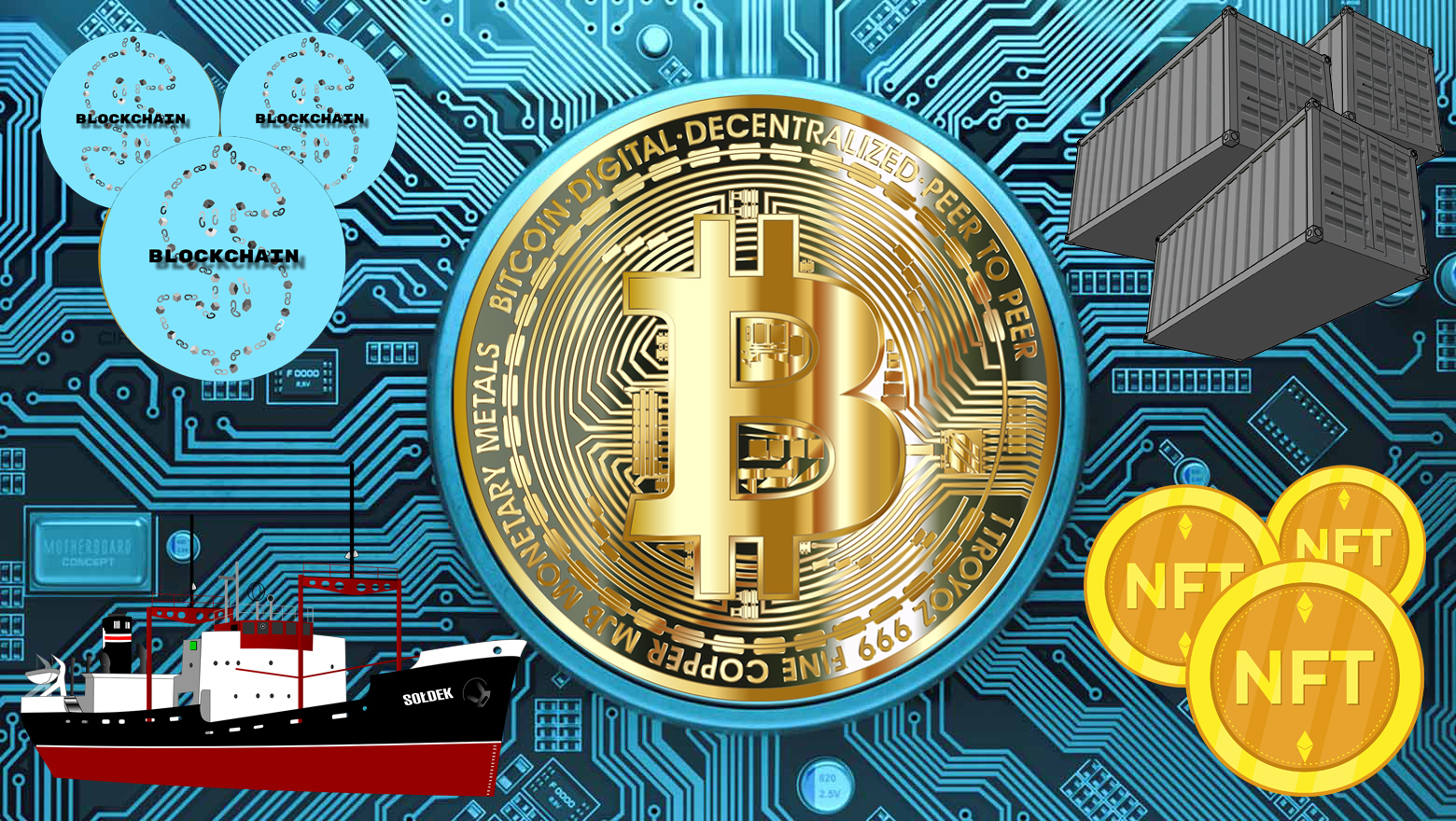

Blockchain, Crypto, and NFTs – A New Game Changer in the Shipping Container Industry (Part 2)
Written on July 26, 2025
by Andrew Malone
In the following categories: Blockchain, Crypto and NFT's in the Shipping Containers World, News
The shipping container industry continues to evolve in 2025, and blockchain, crypto, and NFTs are at the forefront of this transformation. From transparent digital trade platforms to portable crypto mining farms built inside shipping containers, the fusion of maritime logistics and blockchain technology is creating a more efficient and decentralized global supply chain.
Global Shipping Business Network (GSBN): The Blockchain Alliance Leading the Way
Several of the world’s leading shipping companies and port operators—including CMA CGM, COSCO Shipping, Yang Ming, and Evergreen—have formed the Global Shipping Business Network (GSBN), an alliance built on blockchain technology. Their mission is to connect every stakeholder in the global logistics chain through a secure, transparent, and collaborative platform.
The GSBN platform enables carriers, customs agencies, terminal operators, and logistics service providers to exchange data seamlessly, improving efficiency and traceability across borders. This decentralized system is powered by distributed ledger technology (DLT), eliminating paper-based inefficiencies and reducing fraud risks.
Learn more about GSBN’s ongoing progress in international shipping on the official GSBN website.
Blockchain Adoption in Ports and Logistics
Across Europe and Asia, ports are embracing blockchain-based transparency. For instance, the Port of Rotterdam Authority, ABN AMRO, and Samsung SDS launched a blockchain initiative to integrate the physical, administrative, and financial flows of international trade. Their shared goal is to achieve fully paperless logistics and drastically improve process visibility.
Similarly, Blockchain Open Collaboration Laboratory (BLOC) and Lloyd’s Register have been developing solutions for fuel traceability and environmental compliance. These systems record marine fuel transactions in real-time, ensuring that sustainability and emissions data are permanently verifiable on-chain. For background reading, see Lloyd’s Register’s sustainability research.
Shipping Containers and Crypto Mining: The Portable Revolution
While blockchain improves logistics, the physical shipping container itself is also being reimagined through crypto innovation. Many tech startups have begun converting used 40ft shipping containers into portable crypto mining farms. These modular setups are cost-effective, mobile, and environmentally adaptable—perfect for decentralized mining operations.
Instead of constructing large, power-hungry buildings, crypto miners can deploy refurbished containers equipped with high-performance rigs and advanced cooling systems. Containers are stacked, wired, and powered using renewable energy in areas with surplus electricity production. This model lowers infrastructure costs and boosts sustainability in the crypto ecosystem.
Each high cube container provides enough internal space for air-cooled server racks and airflow optimization—key factors in efficient crypto mining.
Environmental and Economic Impacts
Shipping containers repurposed for blockchain or mining projects also reduce waste in the maritime industry. By recycling older cargo units, companies are cutting down on new steel production and extending each container’s lifecycle. This aligns perfectly with the global trend toward sustainability and circular economies in 2025.
At the same time, blockchain technology helps reduce paper waste, fuel inefficiencies, and fraud across global trade networks—creating measurable savings for logistics operators and end customers alike.
Looking Ahead: Blockchain Meets Logistics Innovation
As 2025 continues, the convergence of blockchain and shipping containers will only deepen. From delivery logistics to smart ports and maritime sustainability, distributed ledger systems are redefining how supply chains function.
Whether you’re a logistics professional, a container reseller, or a crypto enthusiast, the trend is clear: decentralized technologies are reshaping global trade—one container at a time.
FAQs
What is GSBN and how does it impact global trade?
GSBN (Global Shipping Business Network) is a blockchain-based platform connecting shipping lines, ports, and customs to streamline documentation and improve cargo transparency across the world.
Can shipping containers really be used for crypto mining?
Yes. Modified 40ft shipping containers can host portable mining operations equipped with rigs, cooling systems, and power infrastructure. They offer flexibility and mobility for decentralized crypto setups.
Is blockchain already used in U.S. ports?
Some major American ports are piloting blockchain integrations for customs, documentation, and logistics tracking, following successful European and Asian prototypes.
How do blockchain and NFTs relate to shipping containers?
Blockchain ensures secure logistics tracking, while NFTs can represent ownership, usage rights, or even tokenized digital assets tied to real-world shipping or logistics equipment.
Interested in how blockchain could influence container logistics further? Read Part 1 of this series or explore more trends in our blog.
Looking to repurpose a container for your next project? Get a quote from YES Containers and explore options like new 40ft high cube units or used 20ft containers available nationwide.
For NFT enthusiasts, visit OpenSea to explore verified blockchain art and token projects.
