


Shipping Container Ventilation and Safety: The Essential Guide for Container Conversions
In January 2022, a young boy in Bangladesh hid inside a shipping container near the port of Chittagong — fell asleep — and woke up five days later at Port Klang, Malaysia, having survived a 1,600-nautical-mile voyage without food or water. Port workers heard faint knocking during unloading and discovered him alive, dehydrated but conscious. Safety experts noted that limited ventilation openings in the container walls likely provided just enough airflow to keep him alive.
It's an extreme story, but it illustrates a point that anyone considering a container conversion needs to take seriously: a sealed shipping container is not a habitable space without modification. Heat buildup, oxygen depletion, condensation, and toxic residues from prior cargo all become life-safety issues the moment a person occupies an unmodified container. This guide covers what ventilation and safety modifications are required — and how to get them right.
Why Ventilation Is the Most Critical Container Modification
A standard shipping container is designed to seal cargo against weather and moisture during ocean transit. That seal works well for freight. For human occupancy — even short-term — it creates three serious problems:
- Heat accumulation: Steel walls absorb solar radiation aggressively. An unventilated container in direct sun can reach 150°F+ internally within hours, regardless of outdoor temperature.
- Condensation ("container rain"): Temperature differentials between inside and outside cause moisture to condense on interior walls and drip — damaging contents and creating mold conditions in habitation builds.
- Air quality: Without airflow, CO2 levels rise quickly in an occupied space. Shipping containers have also historically been treated with pesticides (methyl bromide, phosphine) and may contain residues from prior cargo that off-gas in enclosed, heated conditions.
Ventilation Options for Container Conversions
The right ventilation strategy depends on how the container will be used — storage vs. workspace vs. full habitation — and the climate it's deployed in.
Passive Ventilation (Louvered Vents)
The simplest approach: cut openings in the container walls and install steel louvered vents. Fresh air moves through naturally via pressure differential and wind. Effective for mild climates and storage applications where people enter briefly but don't occupy continuously.
- Cost: $100–$500 depending on number and size of vents
- Best for: storage with occasional entry, mild climates
- Limitation: inadequate for hot climates or continuous occupancy
Mechanical Ventilation (Fans and Exhaust)
Inline duct fans or wall-mounted exhaust fans actively move air through the container. This is the standard for job site offices, workshops, and short-term habitation builds. A properly sized intake and exhaust system can maintain safe air quality even in high-heat environments.
- Cost: $300–$2,000 depending on system size and controls
- Best for: workspaces, site offices, hot climates with regular occupancy
- Pair with: insulation to reduce thermal load on the mechanical system
HVAC Integration (Full Climate Control)
For container homes, permanent offices, or any year-round habitation, a mini-split HVAC system is the right solution. Mini-splits handle both heating and cooling, include built-in air circulation, and are efficient enough to run on modest electrical service.
- Cost: $1,500–$5,000 installed depending on unit size and container modifications required
- Best for: container homes, permanent offices, habitation in extreme climates
- Note: requires a cut-through in the container wall for the line set — typically routed through a sealed penetration
Insulation: The Companion to Ventilation
Ventilation manages air quality and airflow. Insulation manages thermal load — reducing how much heat the container walls absorb and retain. The two work together. A well-insulated container requires less mechanical cooling to maintain comfortable temperatures, and reduces the condensation problems that cause mold in uninsulated builds.
| Insulation Type | R-Value | Space Loss | Best For |
|---|---|---|---|
| Closed-cell spray foam | R-6 to R-7 per inch | Minimal (sprayed directly to walls) | Container homes, hot/humid climates, vapor barrier needed |
| Rigid foam board | R-4 to R-6.5 per inch | Moderate (requires framing) | DIY builds, moderate climates |
| Mineral wool batts | R-3.7 to R-4.2 per inch | Moderate (requires framing) | Sound dampening priority, non-humid climates |
Safety Modifications Beyond Ventilation
For any container used as a workspace or living space, ventilation is the starting point — not the complete list. Additional safety modifications include:
Interior Escape Access
Standard container doors lock from the outside only. Anyone inside an occupied container needs a way out that doesn't depend on someone opening the door from the exterior. Options include:
- Interior door release hardware (panic bar or push-to-open latch)
- A secondary personnel door cut into the container end or side wall
- An escape window in a wall or roof panel
Flooring Safety
Standard container flooring is hardwood (typically bamboo or tropical hardwood) treated with pesticides during original manufacturing. For habitation builds, this floor should be sealed with an epoxy coating or replaced with new flooring material to eliminate off-gassing.
Electrical
Any electrical installation must comply with local electrical codes (typically NEC in the US) and, if the container is on a job site, OSHA's electrical standards. Use GFCI protection on all receptacles and ensure all penetrations through the container walls are properly sealed against moisture intrusion.
Fire Safety
For permanent habitation, local building codes will require smoke detectors, CO detectors, and in some jurisdictions, a fire suppression system. Check with your local building department before finalizing a container home or permanent office build.
Choosing the Right Container for a Conversion Project
The container grade you start with affects how much prep work is required before modifications begin.
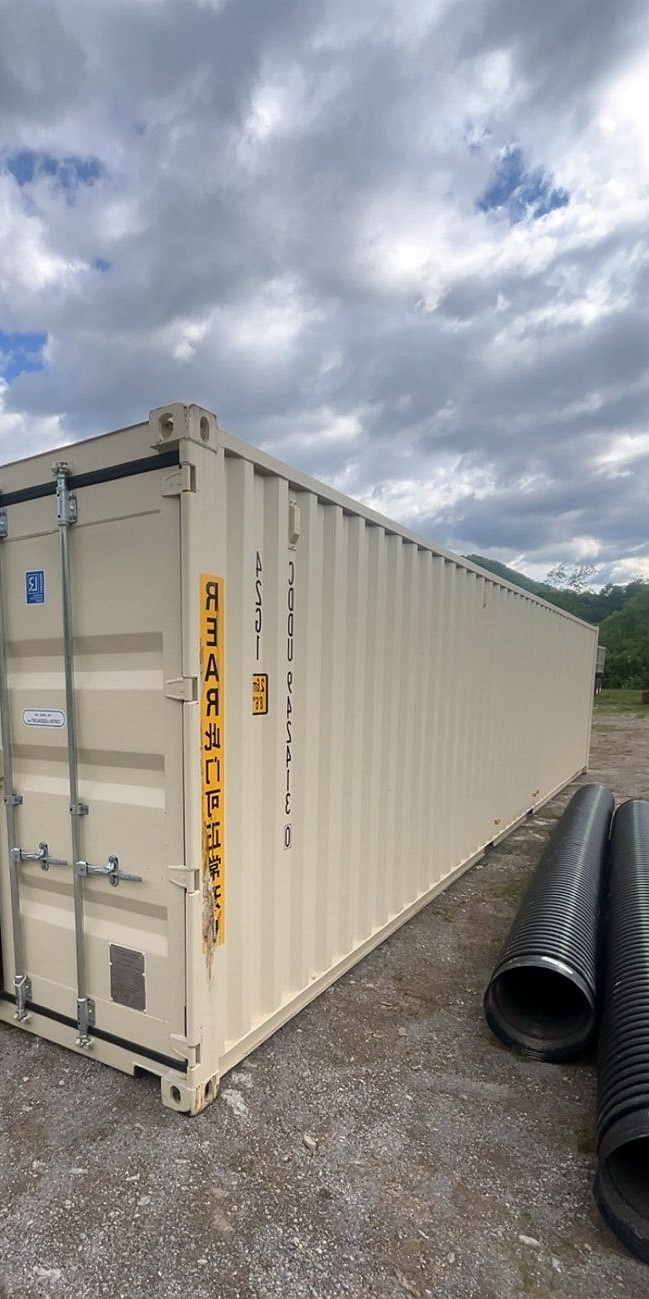
- One-trip (new) containers — No prior cargo residues, clean flooring, minimal rust. Best starting point for habitation builds but more expensive.
- WWT used containers — Structurally sound but will have surface rust, worn flooring, and unknown cargo history. Floor should be sealed or replaced; inspect for any chemical residues before occupying.
- As-is / cargo-worthy used — Not recommended as a starting point for habitation unless you can verify cargo history and condition.
Browse available containers: View all container types and sizes
Related Resources
- Container Home Conversion: Affordable Living Guide
- Shipping Container Homes: Common Myths Debunked
- Top DIY Container Upgrades You Can Do at Home
- Mobile Job Site Offices Using 20ft and 40ft Containers
- Repurposed Containers: Storage, Offices, and Beyond
- Safety Considerations for Containers in Commercial Environments
- Are Shipping Containers OSHA Compliant for Job Site Use?
Key Takeaways
- An unmodified shipping container is not a safe habitable space — heat buildup, condensation, and air quality are life-safety concerns
- Ventilation strategy depends on use: passive vents for storage, mechanical fans for workspaces, HVAC mini-splits for habitation
- Insulation and ventilation work together — insulation reduces thermal load, ventilation manages air quality
- Interior escape access is essential for any occupied container — standard doors only lock from the outside
- One-trip containers are the best starting point for habitation builds; WWT containers require floor sealing and cargo history review
Ready to source a container for a conversion project? Get a quote by ZIP code or call (800) 223-4755 to discuss container grades, sizes, and availability at the depot nearest you.