


Creative Multi-Container Designs for Homes and Businesses
Written on December 10, 2025
by Adrian Stan
In the following categories: Did you know?, Shipping Container Architecture, Shipping Containers Innovation
Shipping containers — or as some call them, modular steel units or cargo modules — have evolved far beyond simple storage. Today, architects and builders are stacking, joining, and transforming these steel boxes into breathtaking, functional structures that rival traditional buildings in comfort and style.
In this guide, we explore multi-container design ideas that redefine what’s possible — from luxury homes and offices to retail hubs and eco-friendly resorts.
The Rise of Multi-Container Architecture
Once a niche concept, container architecture has gone mainstream. Using multiple containers offers more design flexibility and larger floor space without sacrificing sustainability or cost efficiency.
- Modular design allows faster assembly and scalability
- Steel construction provides durability and weather resistance
- Repurposing containers reduces environmental waste
Global trends show rising demand for modular housing and container-based commercial projects — especially in areas prioritizing eco-friendly construction.
Popular Multi-Container Layouts
Combining containers isn’t just stacking them — it’s about creating flow, light, and function. Here are common layout concepts:
L-Shaped Designs
Perfect for small lots or corner properties, the L-shape layout creates natural courtyards or patio spaces.
- Ideal for California backyard homes
- Enhances privacy and outdoor integration
- Simple to build using two to three 40ft containers
Stacked Two-Story Designs
Stacking containers vertically maximizes square footage while maintaining a small footprint. It’s one of the most cost-efficient ways to create multi-level living or workspaces.
- Popular for offices and boutique hotels
- Allows for rooftop decks or solar panels
- Structural stability maintained via welded corner castings
Parallel (Side-by-Side) Layouts
Placing containers side by side creates open-concept interiors ideal for retail or restaurant spaces.
- Allows large rooms and hallways
- Can be joined by cutting interior walls
- Customizable for businesses and pop-up markets
Hybrid Commercial Complexes
Businesses are embracing container complexes for cost savings and mobility. From co-working hubs to coffee shops, the aesthetic and flexibility are unmatched.
- Scalable for franchises or mobile businesses
- Fast to assemble and relocate
- Low carbon footprint compared to concrete builds
Design Tips for Multi-Container Projects
- Use high cube containers for better ceiling height
- Add skylights and glass walls for natural lighting
- Reinforce connections between containers with steel beams
- Plan HVAC and electrical before welding units together
- Incorporate insulation and soundproofing early on
Designing with multiple units requires collaboration between architects, welders, and engineers — but the results are stunning.
Real-World Inspiration
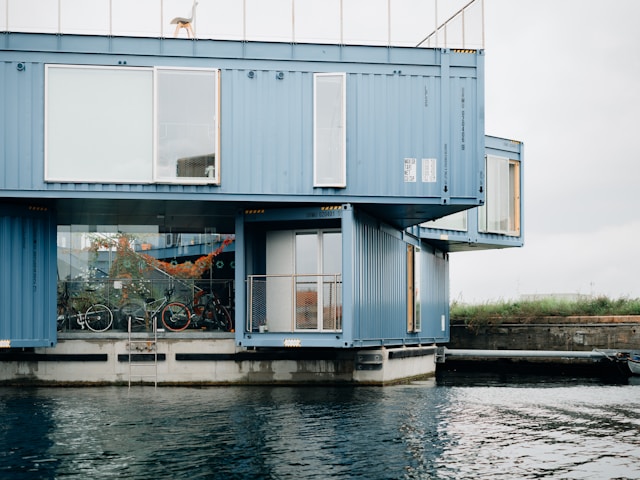
Architectural firms worldwide are pushing the limits of container design. For example, Copenhagen’s Urban Rigger student housing uses stacked containers on floating platforms — a model of space efficiency and sustainability (source).
Similarly, U.S.-based startups are creating multi-container commercial spaces that can be transported, expanded, or repurposed in months instead of years.
Frequently Asked Questions About Multi-Container Designs
How many containers are used in a typical home?
Most residential builds use between 3 and 8 containers, depending on layout and local zoning requirements.
Do multi-container structures need extra reinforcement?
Yes. Structural welding and steel framing ensure stability and safety, especially for stacked configurations.
Can containers be joined without cutting walls?
Yes, by connecting them externally via breezeways or decks, you can maintain each container’s integrity while linking spaces.
Are multi-container buildings sustainable?
Absolutely. They reuse existing steel, minimize waste, and can integrate solar energy and rainwater systems easily.
Key Takeaways and Conclusion
Multi-container design ideas are redefining modern construction. With creativity and proper planning, these steel modules can become luxurious homes, dynamic offices, or sustainable commercial hubs that stand out for both form and function.
Ready to start your project? Explore available units in our shop, check special offers, or get a quote for custom container builds. We provide nationwide delivery and support for modular container setups across the U.S. — visit our blog for more design inspiration.
