

Shipping Container Guides: Everything You Need to Buy, Receive, and Use a Container with Confidence
Whether you are buying a container for the first time or managing a commercial storage operation, the guides in this library cover the full picture — from how pricing works and what to look for in a seller, to how to prepare your site, what to inspect at delivery, and how to get the most life out of your container. Each guide is written to answer real questions buyers ask before, during, and after a purchase.
Browse All Container Guides
Ten in-depth guides covering every stage of the container buying journey — from first search to long-term ownership.
Why Choose YES Containers
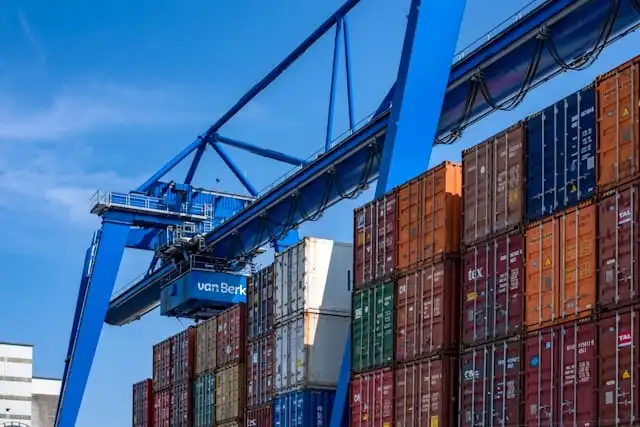
Transparent pricing, Pay-on-Delivery, nationwide sourcing, and specialty configurations — how YES Containers compares to typical online sellers.
Read Guide
Our Process: How Ordering Works
A 9-step walkthrough of the complete ordering process — from browsing and ZIP code pricing to delivery scheduling and final inspection.
Read Guide
Shipping Container Inspection at Delivery
What to check before you accept a container — structure, doors, floor, interior, wind and watertight condition, and placement orientation.
Read Guide
How Nationwide Inventory Works
Why containers aren't stocked evenly, how depot networks and global supplier partnerships work, and why availability differs city to city.
Read Guide
Container Pricing Explained
The nine factors that influence what you pay — steel markets, depot distance, condition grade, seasonal demand, rail access, and real-time sourcing.
Read Guide
How to Prepare for Container Delivery
Ground preparation, clearance requirements, turning radius, slope limits, and the full site readiness checklist before the truck arrives.
Read Guide
How Long Shipping Containers Last
Lifespan by condition grade, how storage vs. transport use affects longevity, placement best practices, and which grade matches your project.
Read Guide
Side Door Shipping Containers
How side door containers differ from standard units, 20ft and 40ft HC options, who benefits most, delivery considerations, and current availability.
Read Guide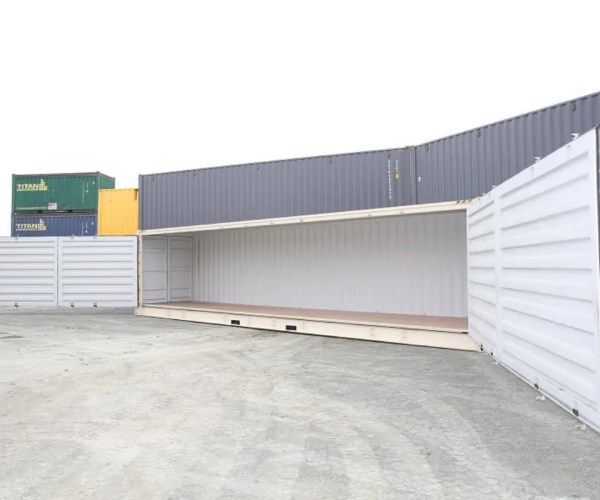
Open Side Shipping Containers
Full-length side wall access for forklifts, long materials, and maximum workflow efficiency — how open side containers compare and when to choose them.
Read Guide
How to Verify a Seller & Avoid Scams
How container scams work, what to verify before paying, why ISO photo verification matters, and how Pay-on-Delivery reduces purchasing risk.
Read GuideHow to Use These Guides at Each Stage of Your Purchase
The guides in this library are organized to match where you are in the container buying process. Start with the stage that applies to you most — you don't have to read everything before placing an order.
Before You Decide to Buy
Learn how YES Containers works, how inventory is sourced, what affects pricing, and how to verify a seller is legitimate before you commit to any transaction.
Start HereWhile You're Ordering
The 9-step ordering process covers ZIP code pricing, configuration selection, checkout, payment methods, Pay-on-Delivery eligibility, and delivery scheduling.
See the ProcessBefore the Truck Arrives
Ground preparation, clearance requirements, turning radius, slope limits, and delivery method selection — everything your site needs to be ready on delivery day.
Prepare Your SiteOn Delivery Day
The 7-step inspection walkthrough helps you confirm the container matches your order, check structure and doors, verify the floor, and complete acceptance correctly.
Inspect on DeliveryWhat the YES Containers Guide Library Covers
These guides were built to answer the questions buyers actually ask — not to describe features, but to explain how things work and what to do about them.
How Pricing and Inventory Really Work
Container pricing is location-specific and changes with market conditions. The inventory and pricing guides explain why quotes differ by city, what drives price changes, and how to interpret what you're seeing on a listing.
- Why your ZIP code affects the price you see
- How steel markets, depot distance, and seasonal demand interact
- How nationwide depot networks and global suppliers work
- Why specialty configurations cost more and take longer
How to Buy Safely and Avoid Scams
The container market includes fraudulent listings that copy real photos and request irreversible payments. The verification guide explains exactly what to check before paying — and what Pay-on-Delivery protects you from.
- How to identify common container scam patterns
- What ISO 6346 photo verification looks like in practice
- How to confirm a seller's business identity before paying
- Why Pay-on-Delivery is the strongest structural buyer protection
How to Choose the Right Container Configuration
Standard, side door, and open side configurations each serve different access needs. The specialty container guides explain what each one does differently, who benefits most, and what to expect in terms of availability and cost.
- How side door containers differ from standard end-door units
- When open side containers outperform side door for workflow
- How to match condition grade (one-trip, WWT, as-is) to your project
- What 20ft vs 40ft High Cube means for usable space and delivered cost
The YES Containers Ordering Process at a Glance
The full 9-step ordering guide covers each stage in detail. Here is the high-level flow so you know what to expect from first search to accepted delivery. Click any step to go directly to that section of the process guide.
Read the Full Process GuideWhy Buyers Choose YES Containers
Choosing a container supplier is about more than finding a competitive price. It's about understanding what you're buying, how delivery will work, and what happens if something doesn't match expectations. YES Containers is built around that clarity.
See the Full Comparison- Pricing visible on many listings — no quote required to compare
- Pay-on-Delivery available on qualifying orders nationwide
- Nationwide depot network and trusted global supplier partnerships
- Specialty configurations — side door, open side, double door, high cube
- Delivery guidance and placement coordination before scheduling
- Inspection guidance so you know exactly what to confirm on delivery day
Guides Organized by Topic
Jump directly to the guide category most relevant to where you are in the buying process.
About YES Containers
Pricing & Inventory
Delivery & Site Prep
Buyer Safety & Ownership
Frequently Asked Questions About Buying a Shipping Container
These are the questions buyers most commonly ask before their first purchase — each one is covered in depth in the linked guide.
How much does a shipping container cost?
Container pricing varies by size, condition grade, and delivery distance from the nearest depot. There is no fixed national price — a 20ft used container in a port city will cost meaningfully less than the same container delivered 200 miles inland. The pricing guide explains all nine factors that affect what you pay.
What is Pay-on-Delivery and how does it work?
Pay-on-Delivery means final payment is completed after the container arrives at your site — giving you the opportunity to inspect it before the transaction is finalized. If the container doesn't match your order, you can reject it before payment. It's available on qualifying orders through YES Containers.
What is the difference between a one-trip and a used container?
One-trip containers have completed a single overseas voyage and arrive in near-new condition with 25+ years of expected storage life. Used containers show cosmetic wear from shipping service but remain structurally sound — with 15–20 years of storage life for cargo-worthy grade. The lifespan guide covers all four grades in detail.
How do I prepare my site for container delivery?
Your site needs level, stable ground (compacted gravel, concrete, or railroad ties), at least 15–17 ft of vertical clearance, 10–13 ft of width clearance, and 40–50 ft of turning radius for the delivery truck. The delivery prep guide covers the full checklist.
What should I check when a container is delivered?
Before accepting delivery, confirm the correct size and configuration, inspect the exterior structure for holes or severe damage, test door operation and seals, walk the floor for soft spots, check the interior for daylight penetration, and verify placement orientation. The inspection guide covers all seven steps.
How do I know if a container seller is legitimate?
Verify the company name matches the website domain and invoice, confirm a published business address, call the support number before paying, request container photos showing the ISO identification code, and confirm the payment structure accepts methods beyond wire transfer only. The verification guide has the full 6-step process.
What is the difference between a side door and an open side container?
Side door containers have additional door sections along one side — useful for section-by-section organized storage. Open side containers have the entire side wall open as a single panel, which is better for forklifts, long materials, and full inventory visibility. Both are specialty configurations with lower availability than standard containers.
Why does container availability differ so much by city?
Containers flow through the U.S. logistics network based on import volume, port activity, and rail corridor access. Cities near major ports or rail hubs have higher container turnover and more competitive pricing. Inland or lower-freight areas require longer repositioning distances from the nearest depot. The inventory guide explains the full picture.