

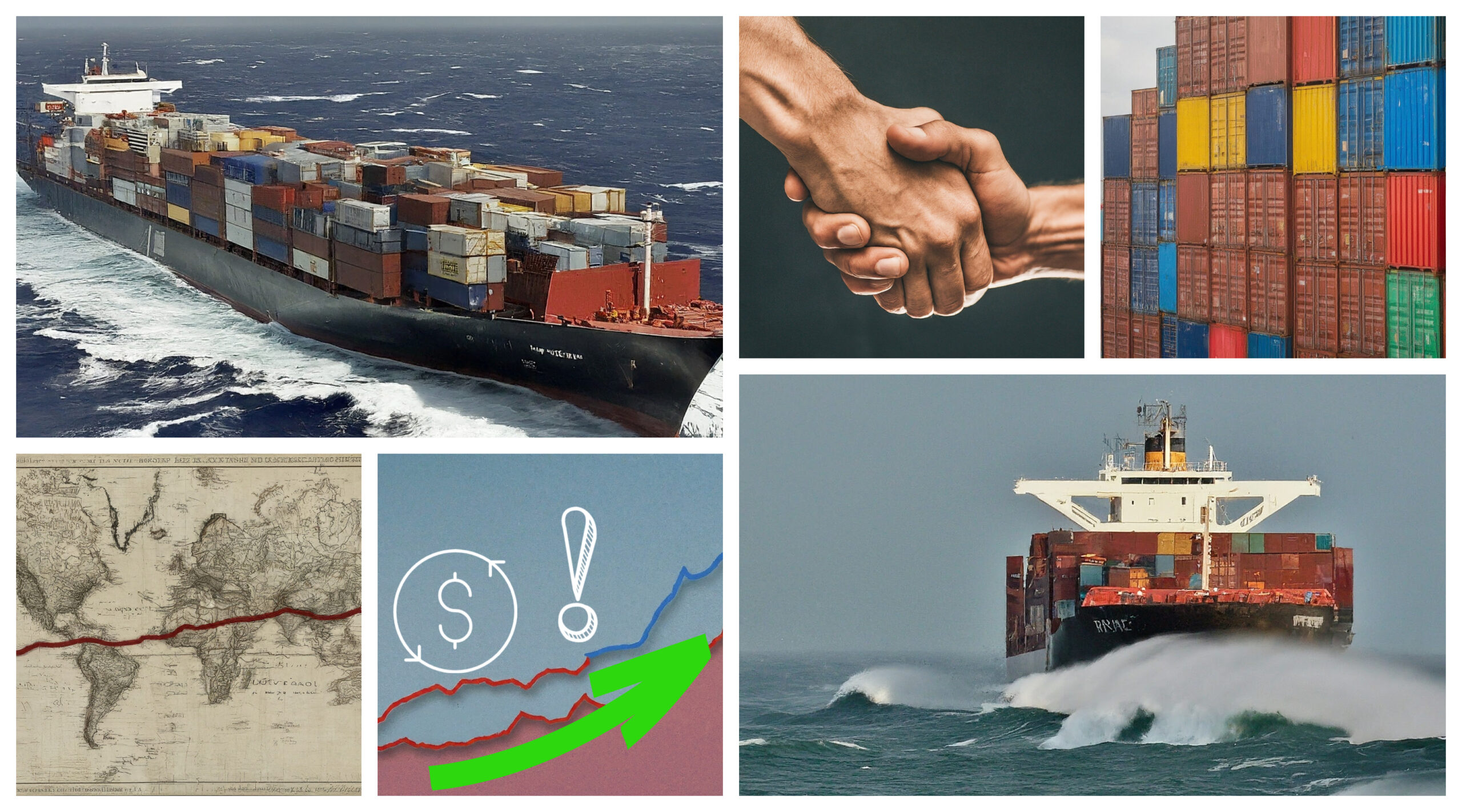

How Asia-Europe Shipping Rates Are Surging Toward $20,000 Per Container in 2025
Written on November 18, 2025
by Adrian Stan
In the following categories: Container Shipping Industry, News
Shipping rates between Asia and Europe are once again soaring to record-breaking levels, sparking concerns that costs could soon reach — or even exceed — $20,000 per container. This dramatic escalation marks one of the steepest rate climbs since the pandemic, as market volatility, limited vessel capacity, and geopolitical instability combine to squeeze global logistics.
Industry insiders warn that the current trend mirrors the 2021–2022 shipping crisis, but with added geopolitical risk and accelerated seasonal demand — a dangerous combination for importers and freight forwarders.
The Perfect Storm Behind the Rate Surge
1. Tight Capacity and Congestion in Asia
Investment bank Jefferies attributes the spike in rates to a “perfect storm” of strong demand, tight vessel space, and worsening congestion at Asian ports. Shippers are scrambling to secure bookings early, fearing long delays as available slots disappear fast.
The Shanghai Containerized Freight Index (SCFI) climbed 140 points to 3,184.87, its highest since mid-2022, while Drewry’s World Container Index (WCI) rose 12% in a week to $4,716 per FEU — 181% higher than the same period last year.
2. Geopolitical Tensions and Red Sea Disruptions
The ongoing Houthi attacks near Yemen have effectively closed off the Red Sea for many carriers, forcing reroutes around the Cape of Good Hope — adding thousands of nautical miles and extending transit times by up to two weeks.
This not only increases fuel consumption but also removes available vessels from the market, tightening supply and driving rates up even further.
3. Early Peak Season Pressure
Traditionally, the Asia-Europe peak shipping season begins in June, but in 2025, it started early in May, as importers rushed to stock up for summer and holiday sales. The early demand surge, combined with delays, has intensified pressure across the trade lane.
Are We Really Heading Toward $20,000 Per Container?
Analysts at Sea-Intelligence believe that if per-nautical-mile rates mirror pandemic-era highs, spot prices could soon hit:
-
$18,900 per FEU from Shanghai to Rotterdam
-
$21,600 per FEU from Shanghai to Genoa
-
$22,000 per FEU on the return leg from Rotterdam to Shanghai
For comparison, at the pandemic peak in early 2022, rates barely exceeded $14,000 per FEU — meaning the industry could be on the brink of setting a new record.
Shipping Carriers Are Prepared to Push Higher
Having learned during the pandemic how fast spot rates can rise, carriers are now quicker to introduce surcharges and capacity management tactics to protect profits.
Several liners have already announced Peak Season Surcharges (PSS) set to take effect in mid-June, adding an extra $1,000 per FEU on both Transpacific and Asia-Europe routes.
Broker Braemar reports a prevailing sense of optimism among carriers, expecting tight conditions and elevated rates to continue throughout 2025.
How the Rate Surge Impacts Shippers and Forwarders
The rapid escalation in costs has pushed many Beneficial Cargo Owners (BCOs) and freight forwarders into a difficult position.
According to a Freightos survey:
-
70% of BCOs and forwarders with long-term ocean contracts have either experienced container rollovers or been pushed into the spot market since early May.
-
Many are now renegotiating long-term contracts with carriers to adjust to the new reality.
Emily Stausboll, an analyst at Xeneta, emphasizes the critical role of strong relationships:
“The bigger the spread between long- and short-term ocean freight shipping rates, the bigger the risk of cargo being rolled. Strong carrier relationships and open communication are key to keeping goods moving.”
What $20,000 Shipping Rates Mean for Global Trade
The potential rise to $20,000 per FEU has far-reaching implications beyond the shipping industry:
-
Higher retail prices as importers pass costs to consumers.
-
Strained margins for small and medium-sized businesses relying on overseas manufacturing.
-
Shift in trade routes, as companies look for nearshoring alternatives to Europe or North America.
-
Increased focus on supply chain resilience, including container leasing, inventory optimization, and multi-route logistics planning.
What Shippers Can Do to Stay Competitive
To mitigate the financial and logistical challenges of the 2025 shipping crisis, experts recommend:
-
Diversify Supply Chains – Source from multiple regions to avoid dependency on a single trade lane.
-
Book Early – Secure space weeks ahead of departure during the ongoing rate surge.
-
Negotiate Hybrid Contracts – Blend long-term stability with spot flexibility.
-
Use Real-Time Tracking Tools – Improve visibility with IoT-powered smart shipping containers.
-
Collaborate Closely with Carriers – Build trust and prioritize transparent communication to prevent rollovers.
The Road Ahead for the Asia-Europe Trade Lane
The Asia-Europe route remains one of the most volatile and critical arteries of global trade. As of mid-2025, demand is outpacing capacity, and with continued geopolitical risks and port congestion, rates may remain high well into Q3.
However, experts caution that such elevated prices are unlikely to be sustainable in the long term. Once capacity normalizes and new vessels enter service, rates are expected to stabilize by early 2026.
Key Takeaways
-
Spot rates could exceed $20,000 per FEU by late 2025.
-
Red Sea instability and Asian port congestion are key drivers.
-
Early peak season has intensified competition for space.
-
Shippers must adapt with diversified sourcing and proactive booking strategies.
For insights on global freight trends, container pricing, and logistics solutions, visit the YES Containers Blog or speak with a container specialist today.
📞 Call (800) 223-4755 | Get a Quote
