


How Construction Companies Use Shipping Containers on Job Sites
Written on December 26, 2025
by Randy Lair
In the following categories: Container Use Cases
Shipping containers have become an essential asset on modern construction job sites. Once used exclusively for transporting cargo, containers are now widely adopted by construction companies for on-site storage, offices, equipment housing, and temporary infrastructure. Their durability, mobility, and flexibility make them well-suited for the demanding conditions of construction environments.
From small residential builds to large commercial and infrastructure projects, construction companies rely on shipping containers to improve organization, security, and efficiency. Understanding how containers are used on job sites helps contractors select the right type, size, and setup for their specific needs.
Why Construction Companies Use Shipping Containers
Construction sites require secure, weather-resistant solutions to protect tools, materials, and equipment. Shipping containers provide a strong steel structure designed to withstand heavy use, harsh conditions, and repeated relocation.
Unlike temporary sheds or trailers, containers offer long-term durability and can be moved as projects progress. This makes them a practical investment for contractors managing multiple job sites.
On-Site Storage for Tools and Materials
One of the most common uses of shipping containers on construction sites is secure storage. Tools, power equipment, and materials can be stored safely overnight and during off-hours, reducing theft and damage.
Containers protect contents from rain, wind, dust, and temperature fluctuations. Lockable doors and reinforced steel construction provide a higher level of security than many traditional storage solutions.
Common Items Stored in Containers
- Power tools and hand tools
- Electrical and plumbing materials
- HVAC components
- Safety equipment and supplies
Mobile Site Offices and Workspaces
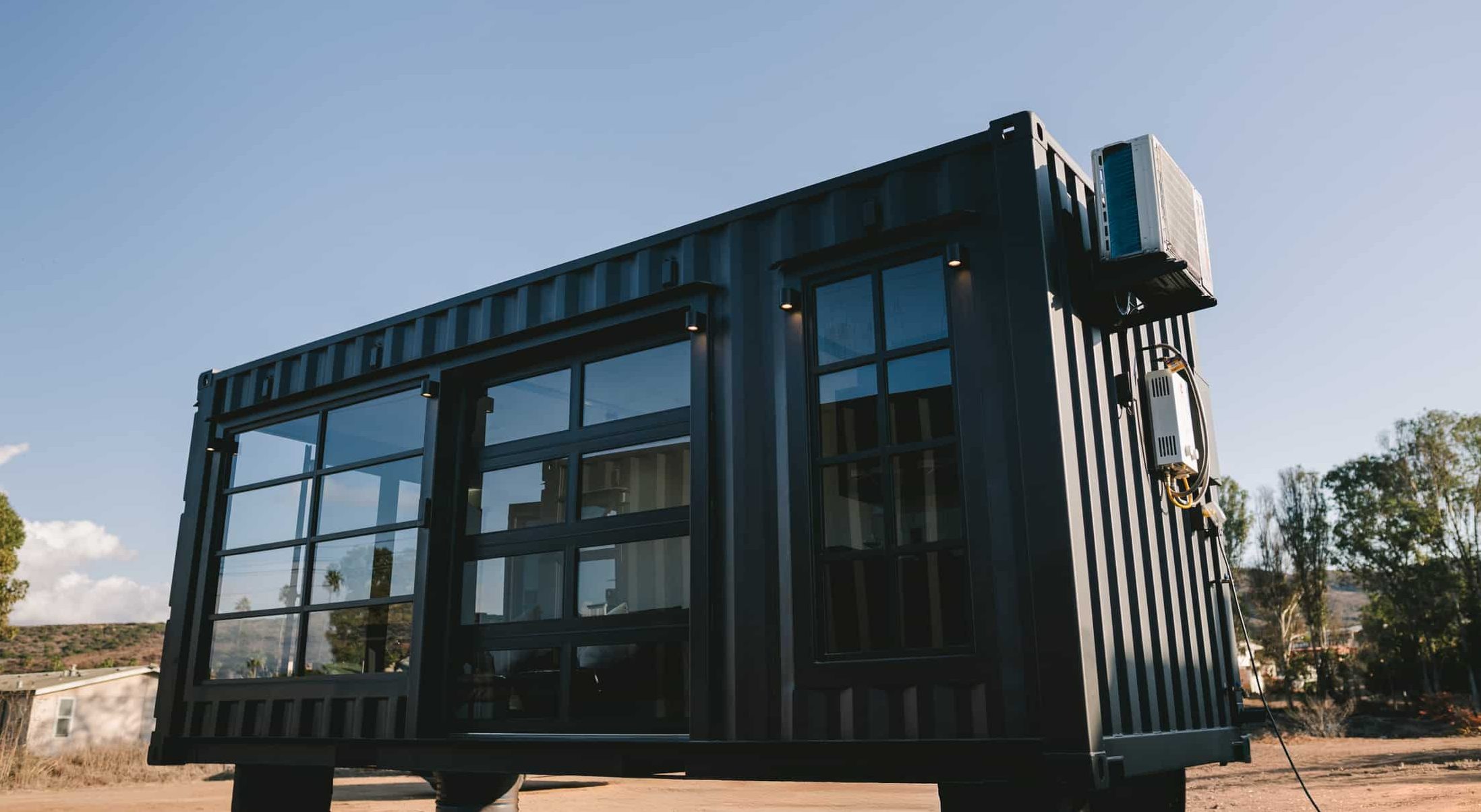
Construction companies often convert shipping containers into mobile site offices. These containers provide a quiet, enclosed space for project management, meetings, and administrative tasks.
With basic modifications such as insulation, lighting, and climate control, containers can function as comfortable offices on-site. Their mobility allows offices to be relocated as the project evolves.
Equipment Housing and Specialized Storage
Beyond general storage, shipping containers are used to house specialized equipment on construction sites. Generators, compressors, and sensitive machinery benefit from the protection containers provide.
Containers can be modified with ventilation, shelving, and access points to accommodate specific equipment requirements. This flexibility allows contractors to tailor containers to their operational needs.
Improving Job Site Organization
Large construction sites can become disorganized without proper storage and infrastructure. Containers help create designated zones for materials, tools, and equipment, improving workflow and efficiency.
By centralizing storage, crews spend less time searching for supplies and more time focused on productive work. This can lead to measurable time and cost savings over the course of a project.
Enhancing Job Site Security
Theft is a common concern on construction sites, particularly in urban areas or remote locations. Shipping containers act as secure vaults for valuable equipment and materials.
Their steel construction and heavy-duty locking mechanisms deter unauthorized access. Some companies also install additional security features such as alarm systems or surveillance cameras.
Temporary Infrastructure for Long-Term Projects
For long-term projects, shipping containers provide a semi-permanent infrastructure solution. Containers can be used as break rooms, rest areas, or storage hubs for extended durations.
Because containers are designed for repeated transport and use, they remain structurally sound throughout long projects. This makes them suitable for infrastructure and commercial construction lasting several months or years.
Delivery and Placement on Construction Sites
Proper delivery and placement are critical when using containers on job sites. Construction environments often present access challenges such as uneven terrain, limited space, or active equipment zones.
Choosing the correct delivery method ensures containers are placed safely and efficiently. More information about delivery planning can be found on the Shipping Container Delivery page.
Relocating Containers as Projects Progress
As construction projects advance, container placement may need to change. Containers can be relocated to accommodate new work zones or site layouts.
Planning for future movement is important when initially placing containers. Information about container relocation services is available on the Shipping Container Pick-Up page.
Buying vs Renting Containers for Construction Use
Construction companies may choose to buy or rent containers depending on project duration and frequency of use. Buying containers can be cost-effective for companies with ongoing needs across multiple sites.
Renting containers may be suitable for short-term projects or one-time use. Evaluating project timelines and storage requirements helps determine the most economical option.
Compliance and Safety Considerations
Containers used on construction sites must meet safety and compliance standards. Proper placement, ventilation, and structural integrity are essential to ensure safe use.
According to the Occupational Safety and Health Administration, job site storage and equipment housing must not create hazards for workers. Containers should be positioned and maintained with safety in mind.
Frequently Asked Questions
Are shipping containers allowed on construction sites?
Yes, shipping containers are commonly used on construction sites, though local regulations may apply.
Can containers be stacked on job sites?
In some cases, containers can be stacked, but proper engineering and safety measures are required.
Do containers need modifications for construction use?
Basic use requires minimal modification, but offices or equipment housing may need customization.
How long do containers last on job sites?
With proper care, containers can last many years even in demanding construction environments.
