

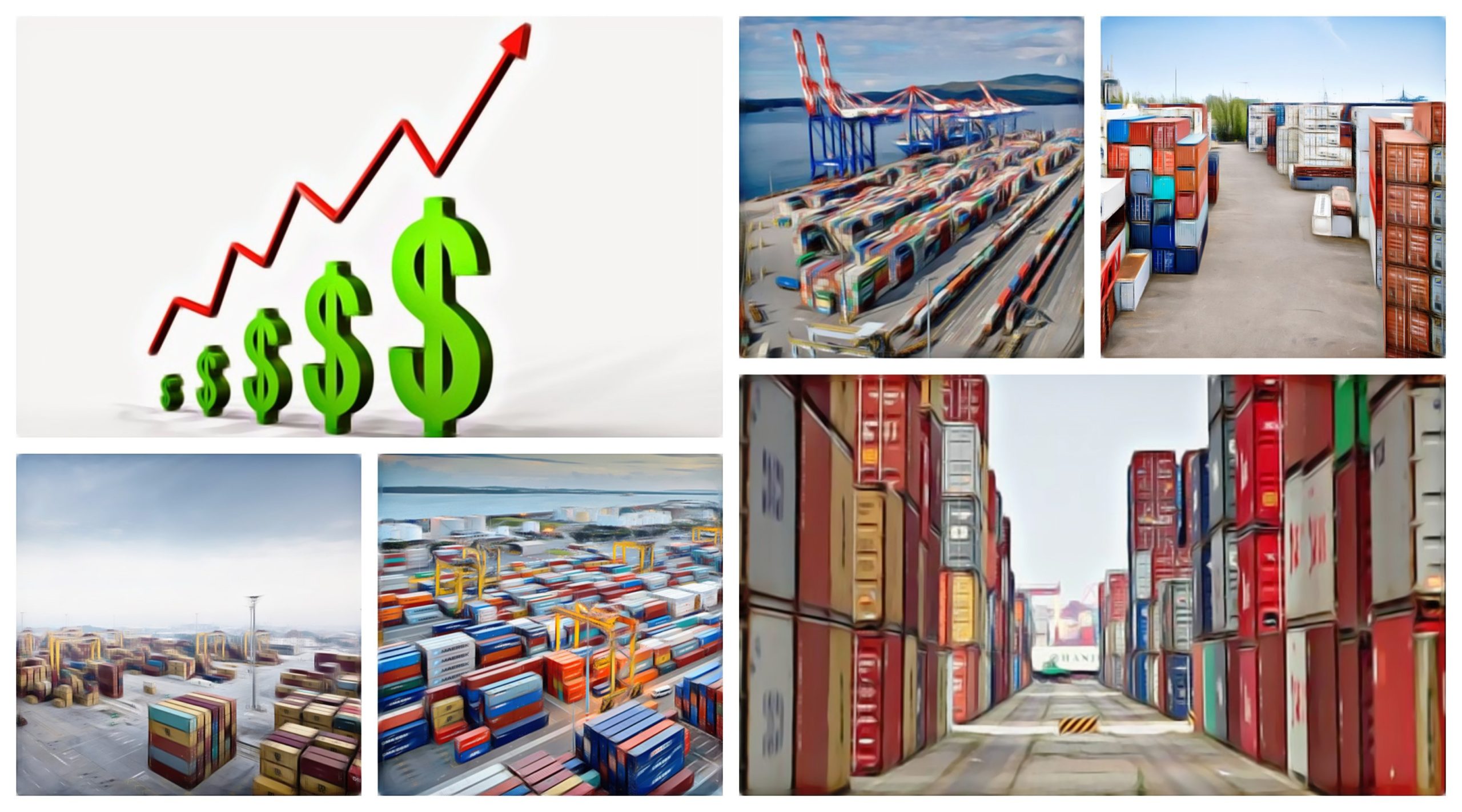

How the Global Shipping Container Shortage Evolved and What to Expect in 2025
Written on August 30, 2020
by Adrian Stan
In the following categories: News
The global shipping container shortage that started in 2020 reshaped international trade and logistics — and even in 2025, its effects are still being felt. From skyrocketing freight rates to unpredictable supply chains, understanding the origins and long-term consequences of this crisis helps businesses, homeowners, and resellers plan smarter container purchases today.
The Beginning of the Container Shortage Crisis
Back in 2020, the world was in the middle of a pandemic that disrupted every major industry. The shipping container industry was hit particularly hard. Factories shut down, ports slowed operations, and global shipping routes were thrown into chaos. As demand for goods surged, containers became stuck in the wrong locations — empty boxes piling up in North America while Asian ports struggled to find available units.
According to The Wall Street Journal, the imbalance between Pacific manufacturers and Western consumers triggered one of the steepest logistical challenges in modern history. Shipping lines faced record delays, and freight costs for a single 40-foot container jumped several times within months.
Why Containers Were Sent Back Empty
In the United States, exporters found it nearly impossible to secure available containers. Major carriers prioritized returning empty containers to Asia as quickly as possible to capitalize on higher-paying export routes. This left American farmers, recyclers, and manufacturers stranded with no means to ship goods overseas.
- Empty containers were sent back to Asia immediately after unloading.
- U.S. exporters lost opportunities to ship products internationally.
- Storage and inland depots experienced record-high demand.
The World Shipping Council and federal trade authorities initiated investigations into these practices, questioning whether carriers were unfairly disadvantaging exporters in the West Coast ports such as Los Angeles and Long Beach.
Impact on Prices and the Container Market
From 2020 to 2021, prices for shipping containers for sale doubled, and in some cases tripled. According to The Maritime Executive, demand far outpaced production as manufacturers struggled to ramp up capacity. By the time supply chains stabilized in 2022–2023, inflation and new shipping regulations continued to keep costs high.
Key price drivers included:
- Limited production capacity in China and South Korea.
- Rising steel prices and energy costs.
- Increased demand from e-commerce and global trade recovery.
Even today in 2025, getting a quote for a container can vary widely based on size, condition, and location. The market remains volatile, especially for used 40ft high cube containers and new 20ft standard units.
How the Shortage Shaped the Shipping Industry
Out of the crisis came innovation. Many companies started using Pay on Delivery (POD) services, ensuring customers could purchase containers confidently without upfront risk. Others embraced flexible pick-up and delivery options to manage unpredictable timelines.
Additionally, the shortage accelerated global discussions about sustainable transport and container recycling. Some companies began repurposing used containers for storage or modular construction — a trend that has continued to grow in 2025.
What to Expect for 2025 and Beyond
Experts predict that while container production has stabilized, logistics bottlenecks and global trade disruptions will continue to cause periodic shortages. Regional crises, such as the Red Sea shipping conflicts and climate-related port closures, still impact container circulation worldwide.
Businesses seeking to secure 20ft containers or 40ft high cube units should plan ahead, verify availability early, and rely on trusted suppliers like Yes Containers. Our national network provides affordable containers in states such as Texas, Florida, and California.
Frequently Asked Questions About the Container Shortage
Why did the shipping container shortage start in 2020?
The shortage began due to the pandemic’s impact on manufacturing, logistics, and global trade. Containers piled up in import-heavy regions, leaving export markets with limited availability.
Are shipping container prices still high in 2025?
Yes, prices remain above pre-pandemic levels due to inflation, material costs, and ongoing trade disruptions. However, buying used or refurbished containers can offer cost savings.
Where can I buy affordable shipping containers?
You can request a quote from Yes Containers for fast delivery and reliable quality. We offer options like double-door containers and used 40ft standard units.
Will the global container shortage happen again?
While supply has improved, market experts note that recurring shortages could occur due to trade disruptions, natural disasters, or policy shifts. Planning early remains key.
Final Thoughts
The shipping container shortage may have started in 2020, but its impact continues to shape global logistics in 2025. Whether you need a container for storage, transport, or a new project, it’s important to understand how these cycles affect pricing and availability. At Yes Containers, we help customers navigate the changing market with transparent pricing and dependable service nationwide.
Get a quote today and discover the best deals on shipping containers for sale across the U.S.
