

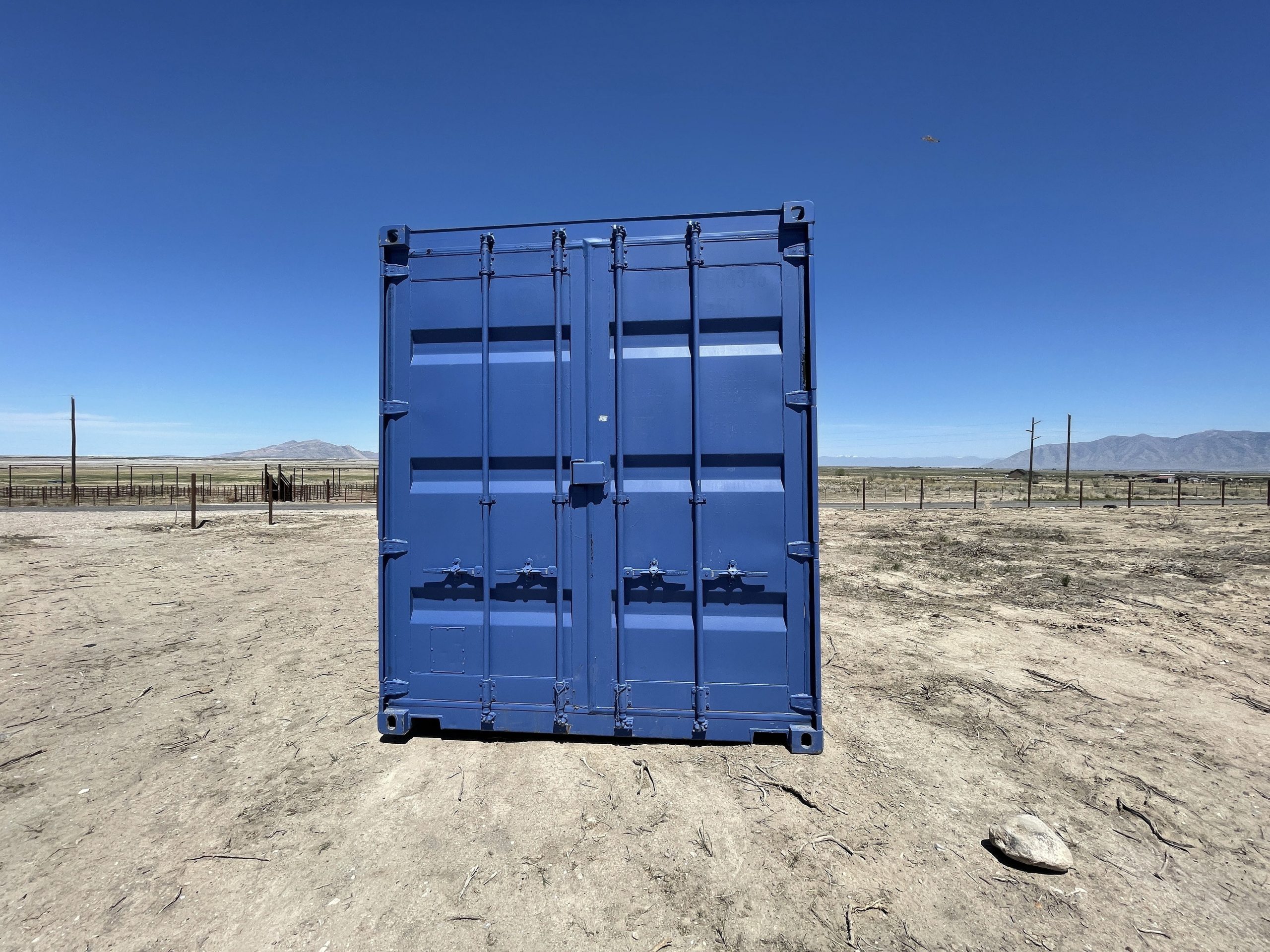

How to Paint a Shipping Container (2025 Step-by-Step Guide)
Written on November 7, 2025
by Anna Nichita
In the following categories: How To, Shipping Container Maintenance & Fabrication
Used containers are an excellent choice for storage or building projects — they’re affordable, durable, and widely available. However, after 7–10 years of global travel and exposure to harsh marine environments, even the toughest steel will start to show signs of wear. If you’ve recently purchased a used unit, now is the perfect time to learn how to paint a shipping container to protect and extend its lifespan.
Why Paint a Shipping Container?
Even if your unit is listed as “wind and water tight” or “cargo worthy,” the steel structure may have small scratches, chipped paint, or early-stage rust. Regular maintenance and a fresh coat of paint not only improve appearance but also prevent corrosion and strengthen your container’s durability.
- Protection: Adds a protective barrier against rust and weather damage.
- Longevity: Extends your container’s life, even in harsh climates.
- Cosmetics: Makes your container blend in with your property or business environment.
- Preservation: Prevents leaks and structural weakness over time.
Best Paint for Shipping Containers
For long-term protection, use a water-based Direct-to-Metal (DTM) paint, preferably marine-grade. Popular options include:
If you’re dealing with visible rust, consider using a rust converter like POR-15 Rust Preventive Coating. This treatment chemically bonds to rusted surfaces, turning them into a hard, paintable layer that resists cracking, peeling, and moisture.
Materials You’ll Need
- Pressure washer or hose
- Sandpaper, wire brush, or steel wool
- Rust converter or steel primer
- DTM or marine-grade paint (3–4 gallons for a 20ft unit)
- Paint sprayer or heavy roller
- Silicone sealant or fiberglass repair kit
- Vinegar (for mild rust neutralization)
5 Easy Steps to Paint Your Shipping Container
Step 1 – Clean Your Shipping Container
Use a pressure washer to remove dirt, salt residue, and loose paint chips. Pay attention to the roof, corners, and under-door areas where water tends to accumulate. Let the surface dry completely before proceeding.
Step 2 – Remove Rust and Loose Paint
Sand down all rusted areas using low-grit sandpaper, a wire brush, or a grinder. Afterward, wash those spots with vinegar or a rust removal solution. Let the container dry thoroughly to ensure paint adhesion later.
Step 3 – Patch Any Holes or Leaks
Inspect your container for pinholes, dents, or cracks. Repair them with silicone sealant, fiberglass patches, or welded steel plates. Make sure all patched areas are clean and dry before painting.
Step 4 – Apply Rust Converter or Primer
Coat the affected rust areas with a rust converter using a brush, roller, or sprayer. This creates a solid base layer that seals off oxygen and prevents rust from spreading. Let it dry completely before painting.
Step 5 – Paint the Shipping Container
Apply the first coat of DTM or marine-grade paint evenly using a roller or sprayer. Let it dry before adding additional coats — 3 to 5 thin layers provide optimal protection. Be sure to paint all surfaces: top, sides, and frame.
Bonus Tips for Maintenance
- Lubricate doors and hinges regularly for smooth operation.
- Seal the floor with weather-resistant porch or patio paint to prevent moisture buildup.
- Inspect annually and touch up any chipped areas promptly.
If your container is severely corroded, professional sandblasting and repainting might be more cost-effective than extensive DIY work. However, regular touch-ups and care will help keep even a used unit in great shape for decades.
Keep Your Container in Great Shape
Painting is one of the most effective ways to maintain your container’s integrity. With the right tools and patience, you can easily refresh its appearance and ensure it lasts for years to come.
Looking to buy or repair a container before you start painting? YES Containers can help. We provide shipping container delivery and maintenance services across the U.S., including Florida, Texas, and Georgia.
Check out our Maintenance & Fabrication section for more tutorials on container care, restoration, and repurposing ideas.
