


Hydroponic Container Farms Are a New Trend in Decentralized Agriculture – Part I
Written on November 9, 2022
by Anna Nichita
In the following categories: How To, News, Shipping Container Maintenance & Fabrication
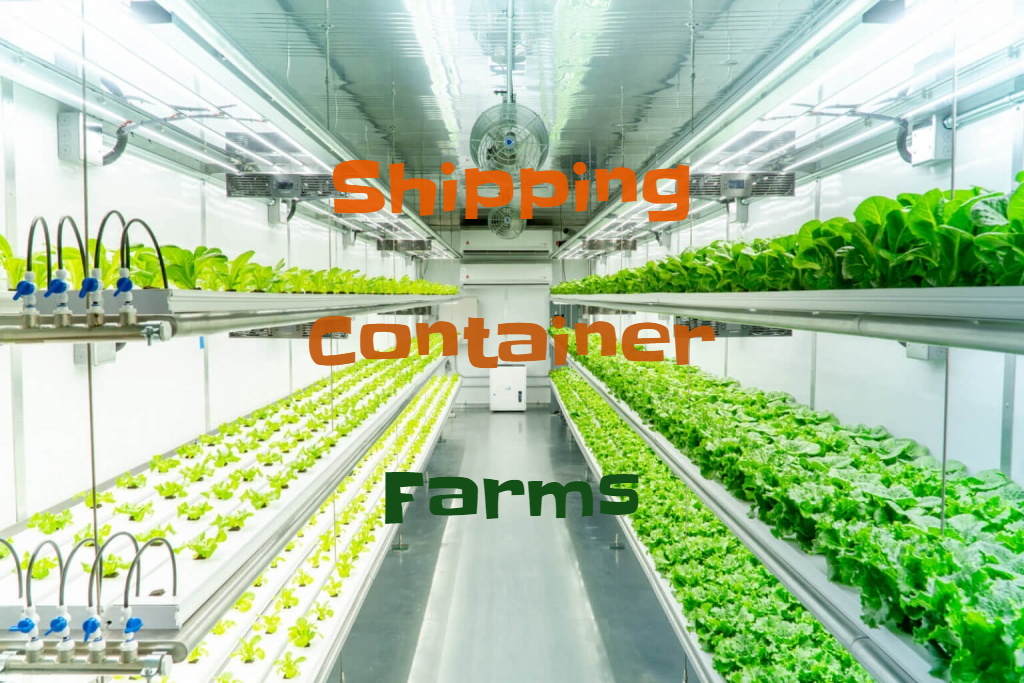
We all know the shipping container is one of the most versatile creations in modern logistics — used for transport, storage, housing, and even crypto mining. But today, innovators are taking things further by turning recycled shipping containers into hydroponic farms that grow food anywhere in the world.
Even Kimbal Musk (Elon Musk’s younger brother) embraced this concept through his company Square Roots, transforming 5 acres’ worth of farmland into a single shipping container — a revolutionary step toward sustainable, decentralized food production.
Learn more about Square Roots: https://squarerootsgrow.com
The Problem With Centralized Food Systems
Our food system has long relied on centralized, large-scale farming operations. Over the past century, the number of U.S. farms has dropped by roughly 70%, while the average meal travels over 1,500 miles from farm to plate.
Despite rising demand for local food, small farms continue to disappear — and young people are increasingly unwilling to enter an industry that demands long hours and high risk for relatively low income.
This centralization brings several risks:
-
Foodborne illness outbreaks that spread quickly
-
Shipping and logistics crises that disrupt supply chains
-
Depletion of soil and water resources due to overfarming
Just as cryptocurrency and blockchain decentralized finance, hydroponic container farming represents a decentralized future for agriculture — putting food production back into local hands.
Global data on food miles: https://www.nrdc.org/stories/food-miles
What Is a Hydroponic Container Farm?
A hydroponic container farm is a complete, climate-controlled system built inside a recycled shipping container. Using nutrient-rich water instead of soil, farmers can grow crops indoors year-round, anywhere — from city rooftops to rural backyards.
These compact systems are redefining what it means to “farm,” especially in urban or climate-challenged regions.
The Benefits of Hydroponic Container Farming
1. Ready to Grow from Day One
Container farms are fully equipped and ready to use upon delivery. Farmers can start growing immediately — from seeding to harvesting — all within the same unit.
2. Modular and Portable
Shipping containers are standardized, making them easy to ship, relocate, and stack. You can place them:
-
In backyards or parking lots
-
On rooftops
-
Next to restaurants, schools, or markets
They’re an ideal step toward decentralized local farming and can be scaled by adding more units as your production grows.
3. Highly Water Efficient
Hydroponic systems use up to 99% less water than traditional farming. Most operate on just 5–8 gallons per day, making them a sustainable solution for drought-prone or arid regions.
Learn more about hydroponics efficiency: https://www.agriculture.com/news/hydroponics
4. Fully Climate Controlled
Unlike traditional farms, hydroponic container farms operate independently from outdoor weather. Temperature, humidity, and light are regulated automatically, allowing for:
-
Year-round crop growth
-
Protection from extreme weather
-
Consistent yields regardless of location
5. Smart Automation
Automation is a major advantage. Systems monitor:
-
Nutrient and hydration levels
-
Temperature and humidity
-
Plant growth cycles
Farmers can control everything remotely using sensors and mobile apps — making it easier for beginners or urban entrepreneurs to start farming.
6. Cost-Effective Farming
Compared to traditional greenhouses or warehouse setups, container farms require:
-
Lower startup and operational costs
-
Smaller space
-
Reduced labor
Each square foot inside is optimized for vertical growing, maximizing productivity.
Case studies on indoor vertical farming: https://www.agfundernews.com
Why Hydroponic Container Farms Represent the Future
Hydroponic container farms bring together innovation, sustainability, and accessibility. Anyone — from a family to a local business — can grow fresh vegetables or herbs on-site.
This technology empowers:
-
Communities to produce local food
-
Restaurants to grow fresh ingredients
-
Entrepreneurs to start urban farming ventures
At Yes Containers, we’re proud to see shipping containers repurposed into sustainable farming systems that feed local communities while supporting eco-friendly innovation.
Explore our containers for your next project:
FAQs About Hydroponic Container Farms
Q1: How much does a hydroponic container farm cost in 2025?
Prices vary depending on system complexity, but most start between $60,000 and $120,000 for a fully automated setup.
Q2: What crops can you grow in container farms?
Common crops include lettuce, spinach, herbs, strawberries, and microgreens, though some systems support vine crops like tomatoes and peppers.
Q3: How much water do these farms use?
Hydroponic farms typically use up to 99% less water than traditional agriculture, recycling and reusing nutrient solutions.
Q4: Can container farms operate off-grid?
Yes — with solar panels, battery systems, and water recycling, many farms are fully off-grid and sustainable.
Q5: How long does setup take?
A pre-built hydroponic container farm can be installed and operational within 2–4 weeks after delivery.
Final Thoughts
Hydroponic container farms are more than just a trend — they’re a glimpse into the future of decentralized agriculture. By combining shipping container durability with hydroponic efficiency, they’re helping communities become self-sufficient, eco-friendly, and resilient.
In Part II, we’ll explore how to build your own hydroponic container farm, the best container modifications, and how this emerging industry could redefine local food production worldwide.
👉 Stay tuned and subscribe to our blog for the next installment.
