


Keeping Crews Safe: How AI Is Revolutionizing Maritime Safety with Deep Eyes
Written on April 29, 2024
by Andrew Malone
In the following categories: Blockchain, Crypto and NFT's in the Shipping Containers World, Container Shipping Industry
Modern cargo ships stretch over 1,300 feet long and carry thousands of containers—but often with crews of just 20 to 25 people. In such isolated and high-risk environments, AI in maritime safety is emerging as a game changer. Traditional CCTV systems merely record events, but new artificial intelligence solutions like Deep Eyes are turning cameras into active safety partners.
Introducing Deep Eyes: AI for Safer Shipping Operations
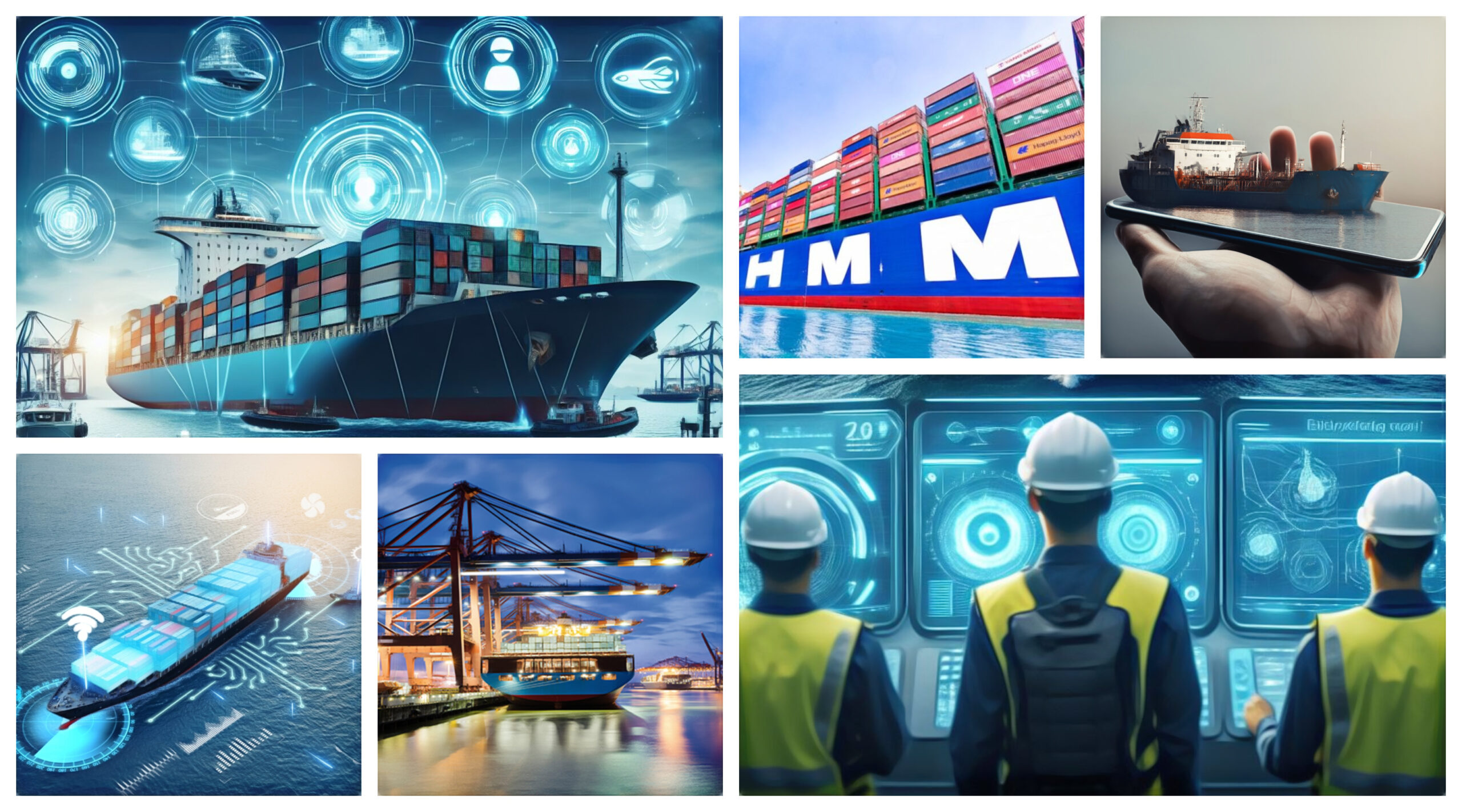
HMM, one of South Korea’s largest shipping companies, is pioneering this technology with Deep Eyes—an AI-powered video analysis platform designed to detect risks and prevent accidents on board massive cargo vessels. Unlike standard surveillance, Deep Eyes continuously monitors for early warning signs, helping crews respond before small issues escalate into emergencies.
1. Eyes on Every Corner
Deep Eyes uses advanced AI to analyze real-time video from cameras positioned throughout the ship—from the deck and cargo bays to the engine room. This gives safety officers a comprehensive, 24/7 view of all critical areas. Nothing goes unnoticed, even in spaces that would otherwise be hard to monitor manually.
2. Proactive Threat Detection
Instead of simply recording incidents, Deep Eyes identifies potential hazards as they develop. Using machine learning models, it recognizes warning signs such as:
- Smoke or fire before alarms are triggered
- Crew members missing safety helmets or vests
- Unsafe behavior near machinery or open edges
- Falling overboard or abnormal movements
Once detected, the system instantly alerts the bridge or nearby personnel, allowing immediate intervention. This proactive model is a major step beyond traditional safety monitoring systems.
3. Preventing Secondary Accidents
Many maritime accidents escalate because crews aren’t alerted quickly enough. Deep Eyes minimizes these risks by catching problems in their earliest stages. For instance, spotting a loose cable or an unattended flame early can prevent fires or electrical malfunctions that could lead to larger disasters.
By giving crews real-time, actionable intelligence, AI helps prevent not only initial accidents but also secondary incidents caused by panic or delayed response.
From Data to Prevention: Building a Smarter Safety Culture
Beyond real-time detection, Deep Eyes stores and analyzes video data to identify long-term safety trends. HMM plans to use this data to improve crew training and develop predictive safety models that anticipate future risks. In essence, each voyage helps make the next one safer.
This approach reflects a broader trend in maritime innovation—leveraging AI and automation to make ships smarter, safer, and more efficient. Similar systems are being tested for cargo monitoring, navigation assistance, and environmental compliance, marking a major digital transformation in global shipping.
What This Means for the Future of Maritime Safety
The successful pilot of Deep Eyes on a 24,000 TEU container ship represents a milestone for the entire industry. If scaled across fleets, it could redefine how shipping companies approach crew safety, accident prevention, and operational efficiency. As AI becomes a core part of ship design, safety officers may soon rely on intelligent systems to handle routine checks, freeing human crews to focus on critical tasks.
AI-powered technologies like Deep Eyes align with the global push toward safer, more efficient container transport—creating a future where both goods and people are protected at every stage of maritime logistics.
Key Takeaway: The Rise of AI in Maritime Safety
The deployment of AI in maritime safety through solutions like HMM’s Deep Eyes marks a pivotal shift for global shipping. By detecting risks before they turn into disasters, analyzing safety trends, and enabling faster crew response, AI is helping the maritime industry achieve what was once impossible—proactive, data-driven safety management at sea.
As this technology evolves, it won’t just keep crews safe—it will help redefine how the world moves goods across oceans, one intelligent vessel at a time.
