


New vs Used Shipping Containers: What Businesses Should Know
Written on December 30, 2025
by Anna Nichita
In the following categories: Container Education
Businesses considering shipping containers are often faced with an important decision: whether to purchase new or used containers. While both options serve legitimate commercial purposes, the right choice depends on how the container will be used, how long it will remain in service, and what operational risks the business is willing to accept.
Understanding the differences between new and used shipping containers allows businesses to make informed purchasing decisions that align with budgets, timelines, and functional requirements. This guide breaks down the key considerations businesses should evaluate before choosing between new and used containers.
What Defines a New Shipping Container
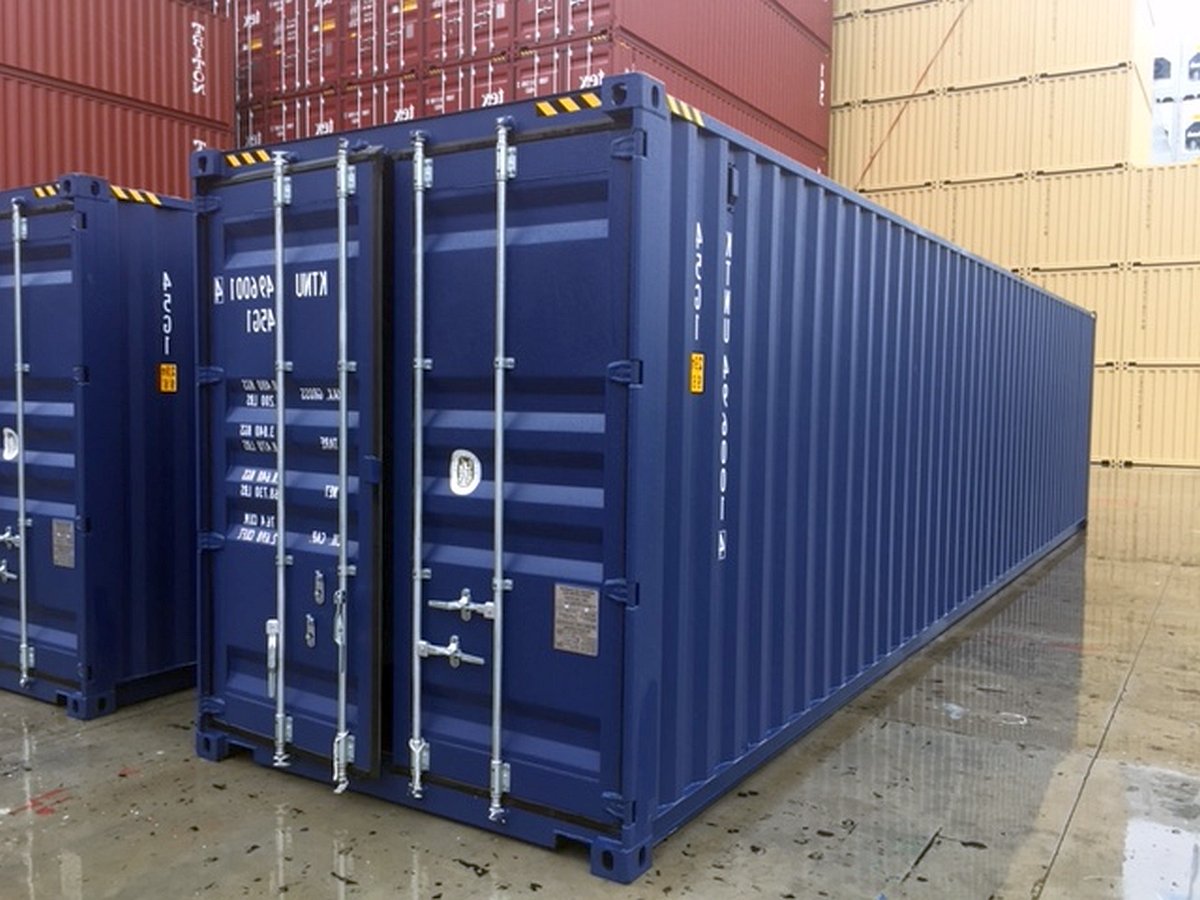
New shipping containers, often referred to as one-trip containers, have typically completed a single cargo journey from the manufacturer to the destination country. After this initial trip, they are sold as new units.
These containers are in near-perfect condition, with minimal wear, intact paint, and structurally sound components. New containers are commonly chosen for commercial applications where appearance, longevity, and reliability are critical.
What Defines a Used Shipping Container
Used shipping containers have been in service for multiple shipping cycles and may show visible signs of wear. This can include dents, surface rust, or repaired sections, depending on the container’s grade.
Despite cosmetic wear, many used containers remain structurally sound and suitable for storage, transportation, or conversion projects. Used containers are typically graded based on condition, such as cargo-worthy or wind and watertight.
Cost Differences Between New and Used Containers
Cost is one of the most significant factors influencing container selection. New containers generally cost more due to their condition, extended lifespan, and minimal maintenance requirements.
Used containers offer lower upfront costs, making them attractive for businesses with budget constraints or short-term needs. Evaluating total cost of ownership helps businesses determine whether initial savings outweigh potential maintenance expenses.
Lifespan and Durability Considerations
New containers typically offer the longest service life, especially when used in permanent or semi-permanent applications. With proper care, new containers can last decades.
Used containers still provide many years of reliable use, particularly when deployed for static storage or controlled environments. However, lifespan varies depending on prior usage and environmental exposure.
Appearance and Brand Perception
For businesses where customer-facing appearance matters, such as retail, offices, or branded installations, new containers often provide a cleaner and more professional look.
Used containers may show signs of wear that are acceptable in industrial or behind-the-scenes applications but less suitable for visible commercial settings.
Condition Grades and What They Mean
Used containers are commonly classified by condition grades that indicate structural integrity and weather resistance. Understanding these grades helps businesses choose containers that meet functional requirements.
Cargo-worthy containers are structurally sound and suitable for transport, while wind and watertight containers are designed for stationary storage. Selecting the appropriate grade ensures containers perform as expected.
Maintenance and Repair Expectations
New containers require minimal maintenance during the early years of use. Paint, seals, and doors are typically in excellent condition, reducing upkeep requirements.
Used containers may require periodic maintenance, such as rust treatment or seal replacement, especially when exposed to harsh weather conditions. Businesses should factor maintenance costs into long-term planning.
Delivery and Placement Factors
Delivery logistics are similar for new and used containers, but container condition can influence handling requirements. Heavier or modified containers may require specialized delivery methods.
Proper planning ensures safe delivery and placement regardless of container type. Details on delivery logistics are available on the Shipping Container Delivery page.
When New Containers Make Sense for Businesses
New containers are often the best choice for businesses seeking long-term solutions, minimal maintenance, and a clean appearance. They are well-suited for offices, retail spaces, and high-visibility installations.
Businesses that plan to use containers for many years or convert them into permanent structures often benefit from investing in new units.
When Used Containers Are the Better Option
Used containers are ideal for businesses needing cost-effective storage or temporary infrastructure. Construction sites, warehouses, and industrial operations frequently rely on used containers.
For applications where appearance is less critical, used containers provide excellent value without compromising functionality.
Buying in Bulk: New vs Used
Businesses purchasing multiple containers may see greater cost differences between new and used options. Bulk purchases amplify both upfront savings and long-term considerations.
Evaluating deployment timelines and replacement cycles helps businesses determine the most economical choice when buying in volume.
Frequently Asked Questions
Are used containers safe for commercial use?
Yes, when properly graded and inspected, used containers are safe for many commercial applications.
Do new containers require inspections?
New containers typically meet industry standards but may still be inspected for quality assurance.
Can used containers be modified?
Yes, used containers can be modified for offices, storage, or specialized uses.
Is resale value different for new and used containers?
New containers often retain higher resale value, though market conditions vary.
Key Takeaways
- New containers offer longer lifespan and cleaner appearance
- Used containers provide cost-effective commercial solutions
- Condition grades help determine suitability for use
- Total cost of ownership matters more than upfront price
- The right choice depends on business needs and timelines
Choosing between new and used shipping containers is a strategic decision for businesses. By evaluating cost, lifespan, appearance, and operational requirements, companies can select the container option that delivers the best value and performance for their specific use case.
