

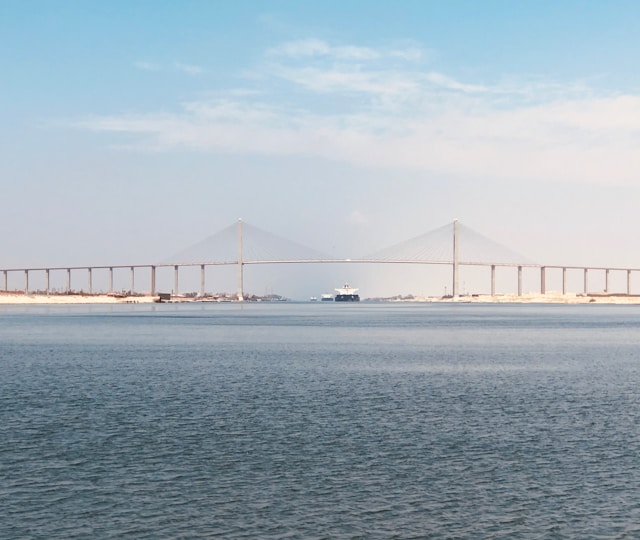

Red Sea & Suez Disruptions: Why Reroutes Are Still Shaking Up Deliveries
Written on November 17, 2025
by Adrian Stan
In the following categories: Container Shipping Industry, News
Global trade is once again navigating rough waters. As of late 2025, Suez Canal shipping disruptions and ongoing instability in the Red Sea are forcing carriers to reroute thousands of vessels. The result: longer delivery times, higher freight rates, and shifting supply chain priorities that affect everyone from importers to domestic container buyers.
This prolonged disruption underscores just how fragile global logistics remain — and why flexibility is key for businesses sourcing or transporting shipping containers.
The Root Causes of the Current Disruptions
Despite partial stabilization in mid-2024, tensions near the Bab el-Mandeb Strait and congestion along the Suez route have persisted. According to Reuters, vessel transits through the Suez Canal dropped by more than 17% year-over-year in 2025 due to rerouting and safety concerns.
Several key factors are driving these bottlenecks:
- Geopolitical instability: Regional conflicts continue to restrict Red Sea navigation.
- Insurance surcharges: Carriers are paying up to 40% more in war risk premiums.
- Port congestion: Major hubs like Jeddah and Port Said remain backlogged.
- Alternative routing: Many carriers are diverting ships around the Cape of Good Hope — adding 10–15 days to transit times.
The Ripple Effect on Global Freight
These disruptions have broad consequences. Extended routes increase operating costs, fuel consumption, and delivery times, creating a domino effect across global supply chains. The Bloomberg Shipping Index reported a 25% rise in spot freight rates on Asia–Europe lanes by October 2025.
Even buyers far from the Middle East are feeling the squeeze as container shortages ripple across the network. In the U.S., this has translated into sporadic price hikes and inconsistent delivery schedules for both new and used containers.
How U.S. Container Buyers Are Adapting
American importers and resellers are responding with smarter, more flexible logistics strategies. Suppliers like YES Containers are leaning on domestic inventory networks to keep availability steady while international routes recover.
- Expanding local inventory at regional yards in Texas, California, and Florida
- Offering flexible Pay on Delivery options to lock in pricing during rate spikes
- Using fast domestic delivery instead of long-haul imports
This hybrid sourcing model helps buffer buyers against international instability while maintaining predictable lead times.
Environmental and Economic Trade-Offs
While rerouting around Africa avoids high-risk zones, it adds roughly 3,500 nautical miles per trip. That means higher emissions and longer delivery cycles — raising concerns about sustainability and cost efficiency.
The Nature Journal highlighted that rerouted voyages in 2025 produced up to 12% higher CO₂ emissions compared to standard Suez transits. Analysts warn that balancing safety and sustainability will remain a major challenge through 2026.
Frequently Asked Questions About Suez Disruptions
How long will Suez Canal disruptions last?
Experts expect partial recovery in mid-2026 as geopolitical tensions ease and new security agreements take effect. However, full normalization may take several years.
Do reroutes increase container prices?
Yes. Longer transit times raise fuel and insurance costs, which often get passed down to buyers in the form of higher container prices.
Can domestic suppliers avoid these impacts?
To a large extent. Companies with U.S.-based inventory like YES Containers can offer stable pricing even when international supply chains fluctuate.
Is the Arctic Express a viable alternative?
Emerging northern routes like the Arctic Express show promise but remain seasonal and logistically limited for now.
Key Takeaways and Conclusion
The ongoing Suez Canal shipping disruptions remind the world how interconnected trade really is. While reroutes through Africa and the Arctic offer temporary relief, long-term resilience will come from diversification — not dependence on any single corridor.
For U.S. buyers, the solution lies closer to home: local suppliers, flexible delivery options, and transparent pricing. Explore our shop, see current offers, or get a quote today to secure containers unaffected by global disruptions. For updates and insights, follow our blog or call 800-223-4755.
