

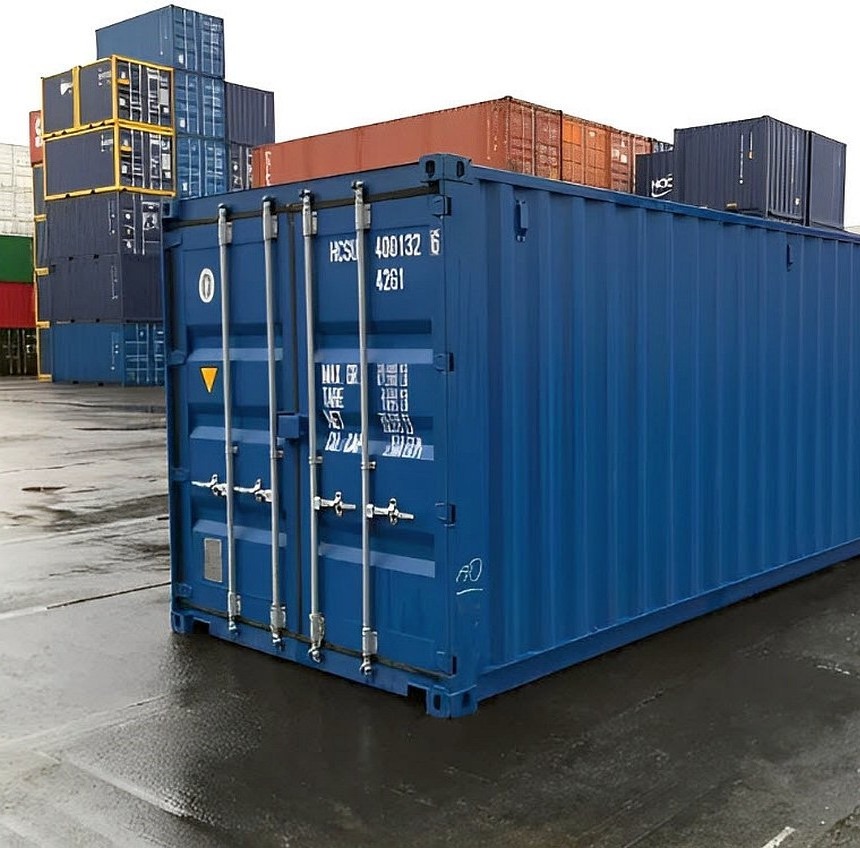

Rural vs Urban Container Delivery: Challenges, Costs, and Solutions
Written on December 23, 2025
by Adrian Stan
In the following categories: Shipping Container Logistics
Shipping container delivery varies significantly depending on whether the destination is a rural or urban location. While the container itself may be identical, the logistics involved in transporting and placing it can differ greatly based on access, infrastructure, regulations, and distance. Understanding these differences helps buyers anticipate costs, avoid delays, and choose the right delivery strategy.
Both rural and urban deliveries present unique challenges. Rural locations often involve longer distances and limited infrastructure, while urban environments introduce space constraints, traffic regulations, and permitting requirements. This guide compares rural and urban container delivery to help buyers plan effectively.
How Location Impacts Container Delivery
The delivery location determines how a container is transported, what equipment is required, and how much time the delivery will take. Factors such as road width, traffic patterns, and available space directly influence delivery feasibility and cost.
Delivery providers evaluate each site individually to determine the safest and most efficient approach. Buyers who understand location-based challenges can better prepare their sites and reduce unexpected expenses.
Rural Shipping Container Delivery Challenges
Rural deliveries often involve longer travel distances from container depots. Containers are typically stored near ports, rail terminals, or major metropolitan hubs, which means rural sites may be located several hours away from the nearest yard.
In addition to distance, rural infrastructure can present challenges. Narrow roads, unpaved surfaces, and limited turnaround areas may restrict access for large delivery trucks.
Common Rural Delivery Issues
- Long distances from container depots
- Unpaved or soft roads
- Limited space for truck maneuvering
- Weight-restricted bridges or culverts
Buyers in rural areas should evaluate access routes carefully and consider whether site improvements are needed before delivery.
Urban Shipping Container Delivery Challenges
Urban container delivery is often complicated by limited space and regulatory constraints. Dense development can restrict truck access, making it difficult to position delivery vehicles for unloading.
Traffic congestion and restricted delivery hours can also impact scheduling. Many cities limit heavy vehicle access during peak hours, which can extend delivery timelines.
Common Urban Delivery Issues
- Narrow streets and tight turns
- Overhead obstacles such as power lines
- Traffic congestion and restricted hours
- Permit requirements for oversized loads or cranes
Urban buyers should be prepared to coordinate closely with delivery providers and local authorities to ensure compliance with regulations.
Cost Differences Between Rural and Urban Delivery
Delivery costs are influenced by different factors depending on location. Rural deliveries often incur higher transportation costs due to distance, fuel consumption, and driver time. Urban deliveries may involve additional fees related to permits, traffic management, or specialized equipment.
In some cases, urban deliveries may require crane-assisted placement due to space limitations. This adds to overall cost but may be necessary to complete the delivery safely. More information about delivery options is available on the Shipping Container Delivery page.
Permits and Regulations by Location
Urban deliveries are more likely to require permits for road use, crane operation, or temporary obstructions. These permits vary by city and may involve application fees and advance approval.
Rural deliveries typically face fewer regulatory hurdles, but some counties may still require permits for oversized loads or special equipment. Buyers should check local requirements early in the planning process. Guidance from the Federal Highway Administration highlights how freight regulations can vary by jurisdiction.
Choosing the Right Delivery Method
The delivery method should be selected based on site conditions rather than location alone. Tilt-bed delivery is commonly used in both rural and urban environments when access allows.
Crane delivery is more common in urban settings with limited space but may also be required in rural areas with uneven terrain or obstacles. Evaluating site-specific needs ensures the correct equipment is dispatched.
Preparing Rural Sites for Delivery
Rural site preparation focuses on ensuring stable access and ground conditions. Clearing access roads, compacting soil, and creating a level placement area can significantly improve delivery outcomes.
Buyers planning future container relocation should also consider accessibility for pick-up services. Information about relocation options can be found on the Shipping Container Pick-Up page.
Preparing Urban Sites for Delivery
Urban site preparation often involves coordination with neighbors, property managers, and local authorities. Clearing parking areas, managing traffic flow, and obtaining permits in advance helps prevent delays.
Providing detailed site photos and measurements allows delivery teams to plan effectively and determine whether additional equipment is required.
Frequently Asked Questions
Is rural delivery always more expensive?
Not always. While distance can increase costs, rural sites often avoid permit fees and congestion-related expenses common in urban areas.
Do urban deliveries always require cranes?
No, many urban deliveries can be completed with tilt-bed trucks if access and clearance allow.
How far in advance should permits be arranged?
Permits should be arranged several days to weeks in advance, depending on local requirements.
Can delivery be rescheduled if access issues arise?
Yes, but rescheduling may result in additional fees. Proper preparation reduces this risk.
Key Takeaways
- Rural deliveries often involve longer distances and access challenges
- Urban deliveries face space limitations and regulatory requirements
- Costs vary based on distance, permits, and equipment needs
- Proper site preparation improves delivery success
- Choosing the right delivery method prevents delays
Whether delivering to a rural property or an urban site, understanding location-specific challenges allows buyers to plan effectively. With proper preparation and communication, shipping container delivery can be completed safely and efficiently in any environment.