



Essential Guide to Shipping Container Damage: Prevention and Repairs
Written on January 9, 2025
by Anna Nichita
In the following categories: Container Shipping Industry, FAQ, How To, Shipping Container Maintenance & Fabrication
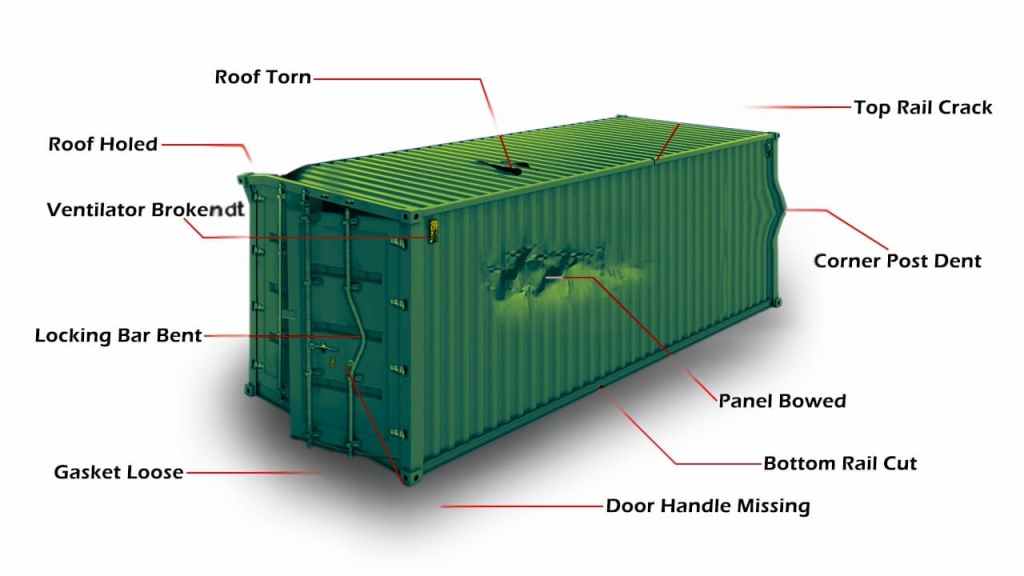
Shipping container damage can cause costly delays and compromise cargo safety. Whether you use containers for storage, conversion projects, or active logistics, understanding how to prevent and repair common damage is key to maintaining durability and long-term value. This guide covers the most common causes, prevention strategies, and repair techniques to keep your containers in peak condition.
Common types of shipping container damage
Over time, containers face wear from both handling and the elements. These are the most common damage types and what to watch for:
- Rust and corrosion: Steel containers are highly durable but vulnerable to rust when exposed to moisture or salt air. Rust weakens the metal and causes leaks if left untreated. Surface rust on a WWT-grade container is cosmetic — but rust that penetrates the wall or floor structure is a different problem entirely.
- Dents and structural damage: Mishandling during loading, stacking, or transport can dent walls or damage corner posts, weakening structural integrity and allowing water ingress.
- Refrigeration unit failures: Reefers rely on functional cooling systems. When compressors or insulation fail, perishable goods spoil quickly and losses mount fast.
- Door and seal issues: Damaged gaskets, hinges, or locking rods cause poor sealing and moisture buildup — ideal conditions for mold and interior corrosion. Always check door condition during your delivery inspection.
- Infestation and contamination: Containers not cleaned after transporting organic or chemical goods may attract pests or retain lingering odors that affect future cargo.
Causes of shipping container damage
Container damage typically stems from environmental stress, mishandling, or overuse. Understanding the root causes helps prevent avoidable losses:
- Environmental exposure: Constant exposure to saltwater, rain, and UV rays accelerates corrosion and paint degradation — particularly on containers stored in coastal areas.
- Improper handling: Using forklifts, cranes, or spreaders incorrectly can warp frames and dent panels. Corner posts are especially vulnerable.
- Overloading: Exceeding the container's rated payload strains the floor cross-members and walls, leading to bowing or structural cracks over time.
- Poor maintenance: Neglecting small issues allows them to compound — a rust spot ignored becomes a wall breach; a failing door seal becomes a mold problem inside.
Preventive measures and maintenance
Prevention is almost always cheaper than repair. These best practices protect your containers year-round:
- Regular inspections: Check for rust, dents, leaks, and seal failures before and after every shipment or at minimum each season. Use our container inspection checklist as a starting point.
- Proper handling training: Educate staff on correct lifting and stacking procedures. Most structural damage is caused by avoidable handling errors.
- Weight management: Always adhere to container load limits. Overloading is the fastest way to damage a floor — and floor replacement is one of the more expensive repairs.
- Environmental protection: Apply anti-rust coatings annually, maintain drainage around the base, and use desiccants or additional vents to prevent condensation buildup inside.
- Timely repairs: Fix minor issues early. Patching a small hole or resealing a door costs a fraction of what structural repair or full replacement costs later.
Repairing common shipping container damage
When damage occurs, prompt repair ensures continued safety and longevity. Here are the most effective methods:
Rust removal and treatment
Remove surface rust using a wire brush or sandblaster. Clean the area thoroughly, then apply a primer and rust-resistant marine-grade paint. Focus on corners, seams, and under door edges — these are the areas most prone to corrosion. For containers with deep pitting or wall penetration, a professional weld repair is needed before painting.
Fixing dents and holes
Minor dents can be worked out from the inside using a mallet and wood block — this avoids paint cracking on the exterior. For larger holes or deep structural dents, weld steel patches and repaint to restore weatherproofing. See our full shipping container repair guide for step-by-step techniques.
Refrigeration unit maintenance
For reefer containers, schedule inspections every six months. Check for refrigerant leaks, clean condenser coils, and replace aging gaskets before they fail. Proper maintenance ensures energy efficiency and temperature stability across long hauls.
Door and seal repairs
Ensure locking rods turn smoothly and rubber door seals remain flexible and fully compressed when closed. Replace cracked or flattened gaskets and lubricate hinges with a marine-grade lubricant. For persistent water ingress, inspect the container's threshold plate and door alignment before assuming the seal itself is the problem.
When to replace instead of repair
If structural damage is extensive — compromised corner posts, severely rusted floor cross-members, or wall panels beyond patching — repair costs can quickly exceed the replacement value of the container. At that point, buying a replacement used container is usually the smarter financial decision.
A used 20ft WWT container delivered to your site often costs less than a full structural repair on a heavily damaged unit. If the container needs to return to active shipping service, it will also need to meet seaworthy certification standards before it can be used for international cargo — factor that cost into your repair-vs-replace decision.
For buyers researching replacement options, our container pricing guide gives a realistic overview of current market costs by size and grade.
Why container maintenance matters
Well-maintained containers can last over 20 years even in harsh conditions. Preventive care saves thousands in potential repair and insurance costs over that lifespan. If you're buying used, always start with the right grade for your intended use — a static storage application doesn't need cargo-worthy certification, and overpaying for grade you don't need is as wasteful as underpaying for one that fails prematurely.
Conclusion
Proactive maintenance and timely repairs keep your containers performing for decades. By understanding the causes of damage and acting early, you protect both the container and whatever's stored inside. Whether you're running active logistics or using a container for on-site storage, the cost of prevention is a fraction of the cost of failure.
Related resources
- How to Repair Damaged Shipping Containers — Step-by-Step
- Used Container Grades: WWT, CW, AS-IS, and One-Trip Explained
- Container Inspection Checklist at Delivery
- How Long Do Shipping Containers Last?
- Shipping Container Pricing Guide 2025
Need a replacement container delivered to your site?
YES Containers supplies inspected new and used 20ft and 40ft containers nationwide with direct-to-site delivery and a pay-on-delivery option on qualifying orders. Call YES Containers at (800) 223-4755 or reach sales rep Andrew Malone directly at (302) 596-8809.
