

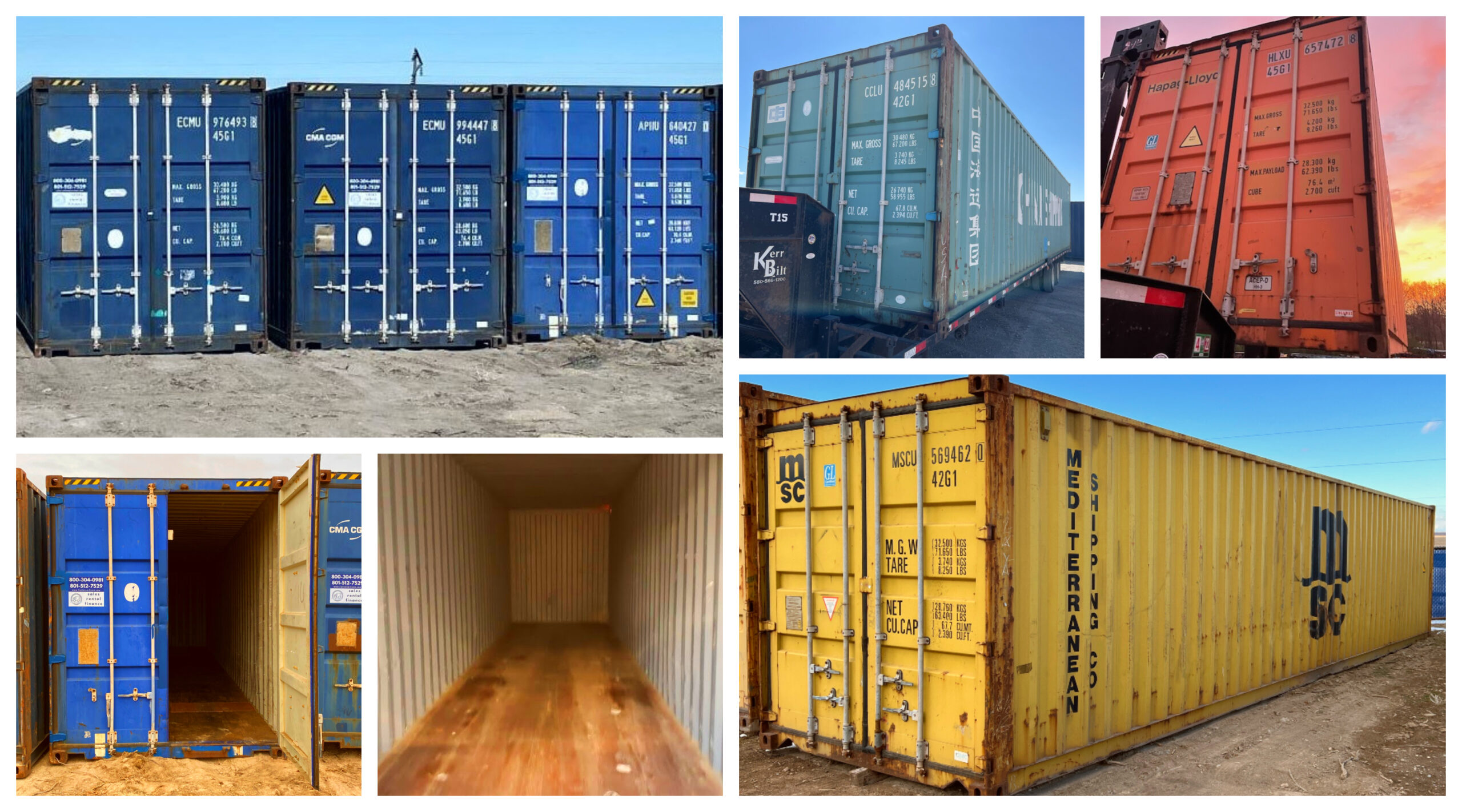

Why Fall Is the Best Time to Buy a Shipping Container
Written on September 21, 2025
by Adrian Stan
In the following categories: Shipping Container Sales
If you've been on the fence about buying a shipping container, fall is the season that consistently rewards buyers who pay attention. Demand from construction sites winds down, depot inventories stabilize after the summer rush, and sellers — both private and commercial — tend to be more motivated heading into Q4. The result is a predictable window where prices ease and availability improves across most U.S. regions.
This guide breaks down exactly why fall works in your favor, what to watch for before winter tightens the market again, and how to make sure you're not overpaying or buying at the wrong time.
How Shipping Container Prices Move Through the Year
Container prices in the domestic resale market are driven by a different set of forces than international freight rates. While ocean shipping headlines focus on spot rates and port congestion, the used container market in the U.S. is more local and more seasonal.
Here's the broad pattern most buyers encounter:
- Spring (March–May): Demand picks up quickly as construction season starts and homeowners begin outdoor projects. Prices firm up and inventory at popular depots gets picked over early.
- Summer (June–August): Peak demand season. Contractors, event companies, and agricultural buyers compete for available units. Prices are at or near their annual high. Delivery lead times stretch out.
- Fall (September–November): Construction winding down, depot inventory replenishes, and buyers thin out. Prices soften across most markets. This is the window.
- Winter (December–February): Demand from contractors nearly stops, but demand from storage buyers picks up again — especially in northern states. Prices can tick back up for popular sizes. Delivery logistics get complicated in snow-heavy markets.
Fall sits right between the summer high and the winter recovery. For buyers who don't need a container immediately, locking in a purchase in September, October, or early November means buying before prices firm back up — without the frantic inventory situation of spring.
What Actually Drives Fall Price Softening
The price dip isn't just seasonal folklore. Several concrete factors push used container prices lower in fall specifically:
Depot Inventory Builds Up
Through summer, depots near major ports receive returning containers that were used for domestic storage, construction, or short-term logistics. By September, that inventory is sitting — and a unit that's sitting costs a depot operator money in ground rent and management overhead. That's real pressure to move product.
Construction Demand Drops
A large share of the used container market serves job site storage: tools, materials, temporary offices. When general contractors wrap projects heading into winter, that demand disappears fast in northern and midwest markets. Fewer competing buyers means sellers work harder for your business.
New Shipping Containers Enter the Secondary Market
One-trip containers — units that crossed the ocean once carrying manufactured goods — are offloaded in large quantities after summer peak shipping season. More supply entering the market at the same time demand is falling is a classic price softener.
Sellers Want to Clear Before Year-End
For businesses carrying container inventory, Q4 creates accounting and lot space pressure. This doesn't mean sellers are desperate, but it does mean they have more incentive to negotiate or hold pricing steady rather than raise it.
What Sizes Are Typically Easiest to Find in Fall
Not all container sizes move the same way through the year. Based on typical depot patterns:
| Container Type | Fall Availability | Best For |
|---|---|---|
| Used 20ft Standard | Good — replenishes well after summer | Homeowners, small storage, tight driveways |
| Used 40ft Standard | Good in most markets | Construction, commercial storage, larger properties |
| Used 40ft High Cube | Varies by region — strong in port cities | Conversions, equipment with height clearance needs |
| New One-Trip 20ft | Consistent year-round | Buyers who want clean, minimal wear units |
| New One-Trip 40ft High Cube | Good post-summer | Workshop conversions, serious storage builds |
If you're flexible on size, fall gives you the most room to negotiate. If you need a specific unit — say a new double door high cube or an open side container — availability is more dependent on what recently arrived at your nearest depot, so checking early in the season matters.
The Risk: Waiting Too Long Into Fall
There's a narrow window. Buyers who wait until late November often find two problems converging:
- Delivery logistics tighten. Tilt-bed trucking for container delivery gets harder to schedule in northern markets as weather turns. Drivers are busier with other freight, and soft ground or mud on your property becomes a delivery risk.
- Winter storage demand appears. Retailers, e-commerce operations, and homeowners who need space for winter inventory start shopping in October and November. That competing demand absorbs some of the fall inventory softness.
The practical sweet spot for most buyers is mid-September through mid-October. You get the benefit of post-summer softening without the late-fall complications.
How to Buy Right in Fall Without Overpaying
Timing is one factor. How you structure the purchase is another. A few things worth knowing before you commit:
Understand What Grade You're Getting
Wind and water tight (WWT) is the most common grade for used containers — it means the box is structurally sound and keeps weather out, but may show cosmetic wear, surface rust, or dents. If you need something cleaner, a one-trip unit costs more but arrives in near-new condition. Knowing the difference before you shop prevents buyer's remorse. The guide on WWT vs. cargo worthy containers breaks down exactly what each grade covers.
Factor in Delivery Before Comparing Prices
A container priced $300 lower at a depot 200 miles farther from your property can easily end up costing more once delivery is added. Delivery typically runs around $500 for the first 100 miles from the nearest depot, then roughly $5 per mile beyond that. Always request a fully delivered price, not just the unit price, when comparing options. YES Containers includes delivery in your quote upfront — no surprises at checkout. See how nationwide container delivery works.
Use Pay on Delivery to Protect Yourself
If you're buying used and haven't seen the specific unit, Pay on Delivery lets you inspect the container when it arrives before releasing final payment. This matters more in fall, when buyers are sometimes moving quickly to lock in pricing and skip the due diligence step. Don't skip it — a few minutes of inspection protects you from accepting a unit with more wear than you expected. The used container inspection guide covers exactly what to check.
Lock In Pricing Before You Need It
One of the best moves in fall is purchasing now with a delayed delivery date. If your site won't be ready until December, or you're waiting on permits, you can lock in the current price and schedule delivery later. Ask about this when you request a quote — it's a common arrangement and it protects you from Q4 price movement.
Who Benefits Most From Buying in Fall
Fall timing makes the most difference for certain buyers. If you fit any of these profiles, now is the right time to move:
- Contractors and construction companies that need job site storage ready for spring — buying in fall means the unit is on-site and paid for before the spring price run-up.
- Homeowners and small property owners adding permanent storage — fall delivery gives you the container secured and placed before winter hits, avoiding scheduling headaches in January.
- Businesses planning seasonal inventory storage — retailers, landscapers, and agricultural operations that run heavy inventory cycles can buy and position in fall at the best annual price point.
- Container home and conversion builders — project timelines that need a unit on-site and ready for modification work often benefit from acquiring in fall when the selection of one-trip units is good.
Buyers who don't benefit as much from fall timing are those with urgent, immediate needs — same-week delivery requirements are harder to plan around, and you have less leverage when you're in a hurry regardless of season.
Getting the Right Quote Before the Window Closes
The buying process at YES Containers is straightforward: tell us your zip code, the size and grade you need, and whether you want delivery or pickup. We'll give you a delivered price that accounts for your nearest depot and current inventory. There's no obligation to commit until you're ready.
If you're still figuring out the right size, the container size selection guide is a practical starting point. If you're weighing whether buying makes more sense than renting, the rent vs. buy guide walks through the math for different use cases.
You can also request a quote online or call 800-223-4755 to talk through options with the team directly. Fall inventory moves — don't let the window close before you've at least confirmed what's available at your nearest depot.
Key Takeaways
- Fall — specifically September through mid-October — is consistently the best buying window for used shipping containers in the U.S.
- Price softening is driven by depot inventory buildup, falling construction demand, and new one-trip units entering the secondary market after summer.
- Waiting too long into November risks delivery complications and competing winter storage demand.
- Always compare fully delivered prices, not just unit prices, before committing.
- Pay on Delivery protects you when buying used — use it.
- You can lock in fall pricing now and schedule delivery for later if your site isn't ready.