

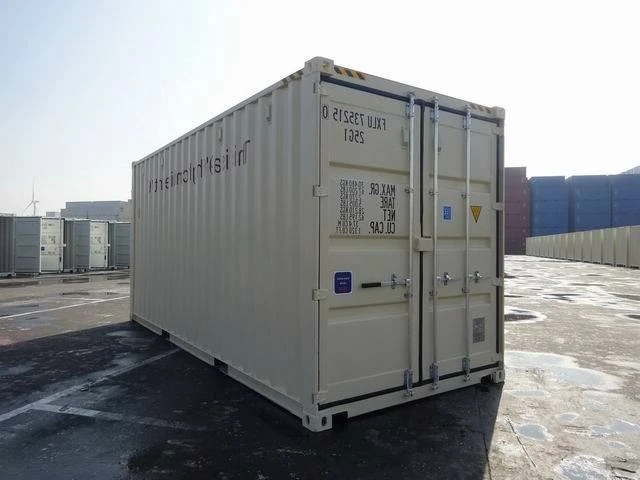

Shipping Container Prices in Los Angeles: What to Expect and How to Buy Smart
Written on September 28, 2025
by Gabriel B.
In the following categories: How To, Shipping Container Prices
Los Angeles is one of the most active used container markets in the US — and one of the most misunderstood. Proximity to the Port of Long Beach means depot inventory replenishes faster than almost anywhere in the country, but it also means LA buyers face more competition, more variable pricing, and more options than most other markets. If you're shopping for a container in LA, knowing what drives prices here specifically helps you buy at the right time and the right price.
Why Container Pricing in Los Angeles Is Different
Container pricing in any US market is a function of local depot inventory, distance from port, and regional demand. Los Angeles has all three in concentrated form: the Port of Long Beach — the primary depot serving the LA basin — is one of the highest-volume container ports in the country, which means new supply enters the secondary market frequently. But demand is equally high, from construction, retail, event companies, film production, and property owners across one of the densest metro areas in the US.
The result is a market that moves. Prices that were accurate two weeks ago may not reflect what's available today. Any article quoting specific dollar amounts for LA containers is giving you a snapshot, not a reliable budget figure — which is why this guide focuses on the factors that shape price rather than numbers that go stale.
Price Ranges by Container Type: What to Expect
Los Angeles buyers typically shop across these categories. The ranges below reflect typical market conditions — always request a current quote for exact pricing, as depot inventory and seasonal factors shift these figures regularly.
| Container Type | Typical Price Range | Best For |
|---|---|---|
| Used 20ft Standard | $1,200–$2,200 | Tight sites, tool storage, small job sites |
| Used 40ft Standard | $1,400–$2,500 | Bulk storage, construction, best price-per-sqft |
| Used 40ft High Cube | $1,600–$2,800 | Racking, tall equipment, warehouse overflow |
| New 20ft Standard | $2,200–$3,200 | Clean appearance, conversions, customer-facing use |
| New 40ft High Cube | $3,500–$5,000 | Conversions, retail, pop-ups, longer-term builds |
| New 40ft Double Door High Cube | $4,000–$5,500 | Forklift access, pallet flow, pass-through layouts |
A few things that move prices within these ranges in LA specifically:
- Time of year. Spring and summer bring construction demand that tightens used inventory and pushes prices toward the upper end of ranges. Fall tends to offer more favorable pricing as that demand eases.
- Port activity cycles. When Long Beach processes high volumes of inbound freight, more containers cycle out of ocean service into domestic resale — which tends to soften used prices. When freight demand is high and containers stay in circulation longer, domestic supply tightens.
- Size popularity. Used 40ft standards are the most in-demand size in LA, so they move fastest. If you're flexible on size, used 20ft units can sometimes be better value when 40ft inventory is thin.
Delivery From Long Beach: What LA Buyers Pay
The primary depot serving Los Angeles is Long Beach. For most of the LA basin — from the South Bay up through the Valley and east to the Inland Empire — delivery involves navigating a mix of freeway haul and neighborhood final approach, which affects both cost and scheduling.
Delivery pricing follows a standard structure: approximately $500 for the first 100 miles from the nearest depot, then roughly $5 per mile beyond that. For most of central and west LA, the Long Beach depot puts you well within that 100-mile baseline, so delivery is a relatively predictable add-on to your unit cost.
What can add to delivery cost in LA specifically:
- Tight access. Los Angeles has some of the most constrained residential and commercial access conditions in the country — narrow alleys, steep grades, low utility lines, permit-required streets. A tilt-bed truck needs roughly 80–120 feet of clear, straight approach to place a container. If your site has constraints, describe them in detail when you request a quote. The team can often match the right truck configuration to difficult access, but surprises on delivery day create delays and re-spotting charges.
- Traffic windows. Certain LA neighborhoods and commercial districts have restricted delivery hours or require coordination with property management. Building this into your scheduling discussion upfront saves headaches.
- Rush scheduling. Standard delivery windows in the LA market run approximately 5–10 business days after order confirmation. If you need faster, ask — it's sometimes possible, but it may affect scheduling options.
Always request a fully delivered price — unit cost plus delivery to your address — when comparing options. The unit price alone doesn't tell you what you'll actually spend.
New vs. Used in the LA Market: The Practical Decision
The new vs. used decision in Los Angeles maps to use case more than budget alone:
Used WWT containers are the right call for job site storage, property storage, warehouse overflow, and any application where secure, weather-resistant space is the goal and appearance is secondary. In a high-demand market like LA, used WWT units at the lower end of the price range represent strong value — the steel is the same, the lock system is the same, and the weather resistance is functionally identical to new.
New one-trip containers make sense when the container is customer-facing (retail, pop-up, brand activation), when you're planning a conversion project, or when you want to minimize maintenance and maximize resale value. Los Angeles has a significant market for container-based retail and pop-up concepts — particularly in areas like the Arts District, Culver City, and Venice — and for those applications, the cleaner appearance of a one-trip unit justifies the premium.
One LA-specific consideration: the film and entertainment industry uses containers extensively for on-set storage and production support, and production companies typically specify new or very clean used units. If you're buying for production work, new is usually the right starting point.
Site Prep for LA Properties
LA presents site access challenges that other markets don't. Before your delivery day:
- Confirm your approach path. The tilt-bed truck needs a straight run of 80–120 feet to slide the container off the deck. Measure this before you schedule delivery, not after.
- Check overhead clearances. Utility lines, tree canopies, and covered parking structures can interfere with container delivery trucks. Know your clearances on the approach route.
- Ground surface matters. Container corners concentrate significant weight on a small contact area. Soft ground after rain — common during LA's wet season — can cause corner sinkage. Gravel, compacted base, or corner blocks are the right preparation.
- Decide door orientation in advance. Changing door orientation after the container is placed requires the truck to reposition — which costs time and potentially money. Know whether you want doors facing the street, a wall, or a specific work area before the driver arrives.
The full delivery preparation guide covers the complete checklist. If your property has unusual constraints, share photos or a sketch when you request your quote.
LA-Specific Use Cases Worth Knowing
Construction and Contractor Storage
Active construction is one of the largest container demand drivers in LA. The typical job site setup — one or two used containers for tools and materials — is standard across residential remodels, commercial buildouts, and infrastructure work throughout the metro. If you're running multiple active sites, buying containers for each rather than coordinating rentals often makes more operational and financial sense, particularly for projects running six months or longer.
Retail, Pop-Up, and Brand Activation
Container retail is well established in Los Angeles. From permanent shipping container markets to temporary brand activations at events and festivals, the form factor works well for the LA retail environment — lower build cost than a traditional retail buildout, inherently distinctive aesthetic, and portable if your location strategy changes. New high cube containers with custom door configurations are the standard starting point for retail conversions. The open side high cube is particularly popular for retail applications where the entire facade needs to open.
Wildfire and Disaster Recovery Storage
Wildfire recovery across the greater LA area has driven significant container demand for secure on-site storage of salvaged materials, contractor equipment, and rebuilding supplies. Containers provide immediate secure storage that can be placed on properties before structures are rebuilt — protecting materials from weather and theft during what can be an extended rebuilding timeline. If you're in a wildfire-affected area, container delivery scheduling can sometimes be expedited based on circumstances — ask when you call.
Film and Production
Production companies, prop houses, and equipment rental companies throughout the LA basin use containers for on-lot storage, location support, and equipment staging. Used containers in clean condition work well for most production storage; new units are specified for visible on-set placements or applications where appearance matters to the production.
Getting a Current Quote for Los Angeles
Pricing and availability in the LA market changes regularly with depot inventory. The most useful thing you can do before committing to a budget is request a current delivered quote for your specific address — that gives you unit price, delivery cost, and an honest lead time estimate based on what's actually in stock at Long Beach right now.
Request a quote online with your ZIP code, preferred size, and any site access details. Or call 800-223-4755 to talk through the options with someone who knows the LA market and can give you straight answers on availability and timing.
For California-wide coverage, the California state page shows depot locations and regional availability beyond the Long Beach/LA area. If you're in Northern California, the Oakland market guide covers the Bay Area specifically.