

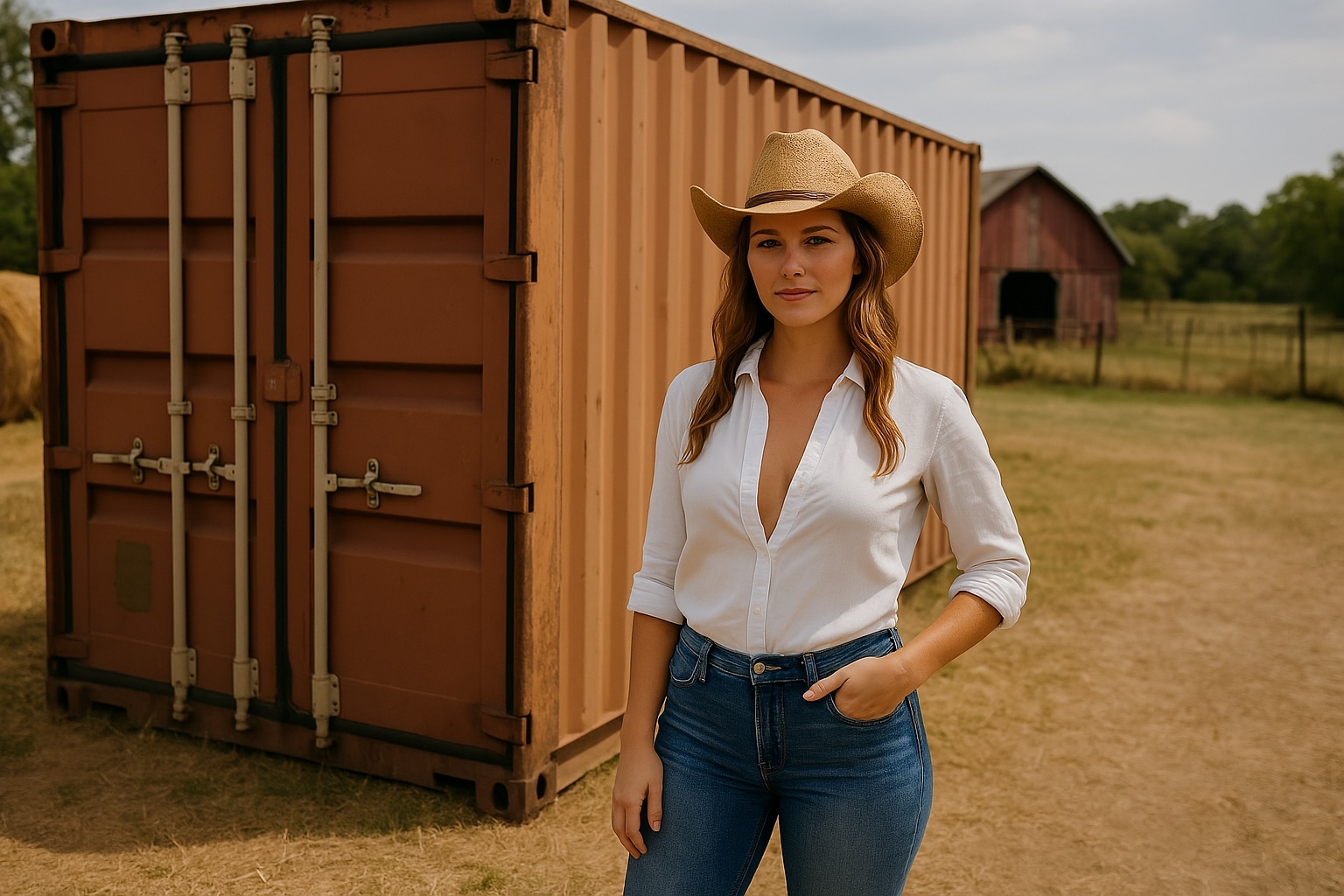

How to Set Up a Shipping Container for Farm and Rural Property Storage
Written on October 28, 2025
by Gabriel B.
In the following categories: Fresh, Shipping Container Maintenance & Fabrication
Shipping containers have become a standard part of farm and rural property infrastructure across the US — not because they're a trend, but because they solve a specific problem well. A steel container placed on a level spot handles weather, pests, and security better than most alternatives at a fraction of the cost of a permanent structure. But getting the most out of a container on farm property means making the right decisions upfront: which size, which grade, where to place it, and how to configure it for what you're actually storing.
This guide covers the practical side — not why containers work on farms (that case is well established), but how to set one up correctly for the specific conditions and uses that rural properties present.
Matching Container Size to Farm Storage Tasks
The most common farm container sizes are 20ft and 40ft. The right choice depends on what you're storing and how much site access you have, not on which is cheaper per square foot.
| Size | Interior Space | Best Farm Uses | Practical Consideration |
|---|---|---|---|
| 20ft Standard | ~1,170 cu ft | Tack room, seed storage, small tool storage, ATV/UTV storage | Fits on tighter spots; easier to position near existing structures |
| 40ft Standard | ~2,390 cu ft | Equipment storage, feed shed, hay staging, multi-use storage | Best value per square foot; needs a clear 120ft delivery approach |
| 40ft High Cube | ~2,700 cu ft | Tall equipment, shelving systems, walk-in grain or feed storage | Extra foot of interior height matters for items stored on pallets or racks |
For most farm applications, a used container in WWT (wind and water tight) condition is the right call. It's weatherproof, structurally sound, and costs significantly less than a new one-trip unit. The cosmetic wear that comes with years of ocean service doesn't affect its performance as a storage shed. If you're storing something corrosive or highly moisture-sensitive — certain chemicals, electronics, precision equipment — a one-trip unit's cleaner interior is worth the premium.
Placement: Where the Container Goes Matters More Than Most Buyers Expect
Placement decisions on a farm or rural property affect how useful the container is on a daily basis, how long it lasts, and whether delivery goes smoothly. A few principles that matter in practice:
Ground Condition and Drainage
A container placed on soft, wet ground sinks at the corners over time — sometimes unevenly, which warps the door frames and makes them difficult to open and close. Rural properties often have areas where drainage is poor, and those spots look level until a tilt-bed truck tries to drive onto them. The best placement surfaces are gravel, compacted aggregate, or concrete pads. Railroad ties, treated lumber, or concrete blocks at the four corners lift the container slightly off the ground, improve drainage, slow corrosion at the contact points, and keep the floor drier. In areas with standing water or heavy clay soil, this simple step extends the useful life of the container significantly.
Orientation for Daily Use
Think about how the container gets used each day before deciding which direction the doors face. A container used for morning feed chores should have doors oriented so you're not fighting the sun or walking around the long side of the box to get in. A container storing ATVs or equipment that gets driven in and out benefits from doors facing a clear turning area. Changing door orientation after the truck has placed the container requires a repositioning — sort this out before delivery.
Proximity to Power and Water
If you plan to add lighting or an outlet, placing the container within reasonable distance of an existing electrical source simplifies the wiring job substantially. Running conduit to a container 300 feet from the nearest panel is a meaningfully different cost than running it 50 feet. The same logic applies if you want a water line for washing equipment.
Delivery Access on Rural Roads
Tilt-bed delivery trucks need a reasonably clear approach — approximately 80–120 feet of straight clearance depending on container length, and a surface that supports the truck's weight without getting stuck. Rural roads often have seasonal soft spots, low-hanging tree branches, or tight turns that need to be flagged before the driver arrives. Describe the approach to your property in detail when you request your quote — including any gates, bridge weight limits on private roads, or seasonal access issues. YES Containers delivers to rural properties across all 48 contiguous states, but the team needs accurate site information to plan the right truck and route.
What Farm Properties Actually Store: Configuration by Use Case
Feed and Grain Storage
Moisture management is the primary concern. Containers are wind and water tight by design, which makes them good for dry storage — but they're also airtight enough that condensation can develop on interior walls when humid air enters during daily access and then cools overnight. For feed and grain stored in bulk:
- Steel shelving or pallet racking keeps bags and sacks off the floor, which reduces moisture contact and makes inspection easier.
- Adding one or two passive roof vents allows air exchange without letting rain in — this helps with condensation in climates with large day/night temperature swings.
- Keeping the floor clear under stored feed allows you to spot moisture intrusion early. A wet floor corner in a container typically indicates a door seal issue or a low spot allowing condensation pooling — both are fixable.
Containers are genuinely rodent-resistant in a way that wood structures are not — there's no gap a mouse can chew through. The weak point is the door seals: if door gaskets are deteriorated, rodents can potentially squeeze through gaps around the door frame. Inspect door seals before storing feed, and replace deteriorated gaskets if needed.
Equipment and Tool Storage
Standard containers work well for most equipment storage — ATVs, UTVs, small tractors, implements, and hand tools. A few configurations that improve daily usability:
- Side door containers let you access items in the middle of the container without moving everything stored near the main doors. For a container holding multiple pieces of equipment, this is a meaningful operational convenience. The side door container guide covers what these look like and how they're configured.
- Wall-mounted tool storage — pegboards, magnetic strips, or welded hooks — uses vertical space efficiently and keeps floor space clear for larger equipment.
- Drive-in ramps for ATVs and UTVs can be built or purchased; a simple steel ramp that bridges the container threshold works well for most wheeled equipment.
Chemicals, Fuel, and Hazardous Materials
Many farm properties store herbicides, pesticides, fertilizers, and fuel in quantities that benefit from dedicated, secure storage — both for safety and because many of these materials are regulated. A container used for chemical storage should be configured differently than general-purpose storage:
- Adequate ventilation is required for most agricultural chemicals — passive vents or active ventilation depending on what's stored.
- Secondary containment (a lined spill containment floor insert or built-up floor perimeter) is required or strongly recommended for liquid chemical storage in most states.
- Chemical storage containers should be clearly marked and kept locked; the container's lockable doors provide the base security layer.
Check with your state agricultural extension service or local fire marshal for specific requirements in your county before setting up a chemical storage container. Requirements vary by state and by what's being stored.
Hay Storage and Staging
Containers work for hay staging and short-term storage but aren't ideal for long-term bulk hay storage in most climates. The issue is airflow: baled hay off-gasses moisture, and a sealed container without ventilation can create conditions that accelerate mold. Containers used for hay storage benefit from significant ventilation — multiple large vents or partially open doors during dry periods. For operations storing large volumes of hay long-term, a container positioned as a covered staging area (doors open, covered end to end) rather than fully sealed storage works better.
Zoning and Permit Reality for Agricultural Properties
Most rural and agricultural zoning in the US is permissive about container placement — agricultural land classifications often allow accessory structures and storage with minimal permit requirements. That said, "agricultural" zoning varies by county, and some rural counties have specific restrictions on permanent container placement or on containers visible from public roads.
The safest approach is a quick call to your county planning or zoning office before delivery — not because approval is likely to be denied, but because knowing the rules upfront avoids any issues after the container is in place. The guide on container placement on agricultural land covers what's typically allowed and where the restrictions tend to appear.
Buying a Container for Farm Use: What to Prioritize
For most farm storage applications, the buying priorities in order are:
- WWT condition with intact door seals. The door seals determine rodent resistance and moisture management — more important for farm use than for construction storage.
- The right size for your actual primary use. A 20ft is often more practical on a working farm than a 40ft for secondary storage — easier to position near existing infrastructure, easier to access daily.
- Placement-ready site. Gravel or compacted base at the placement spot, clear delivery access, corner blocks or timbers ready to set the container on.
- Delivered quote that includes your specific address. Delivery to rural properties varies more than urban delivery — distance from the nearest depot, road access, and any special equipment needs should all be in the quote before you commit.
YES Containers delivers to farms and rural properties nationwide. Request a quote with your address and property details, or call 800-223-4755 to talk through the right container and configuration for your operation. For regional context, the Midwest agricultural storage guide covers specific conditions in that region, and the pest-proof container guide goes deeper on moisture and rodent management for rural storage.