

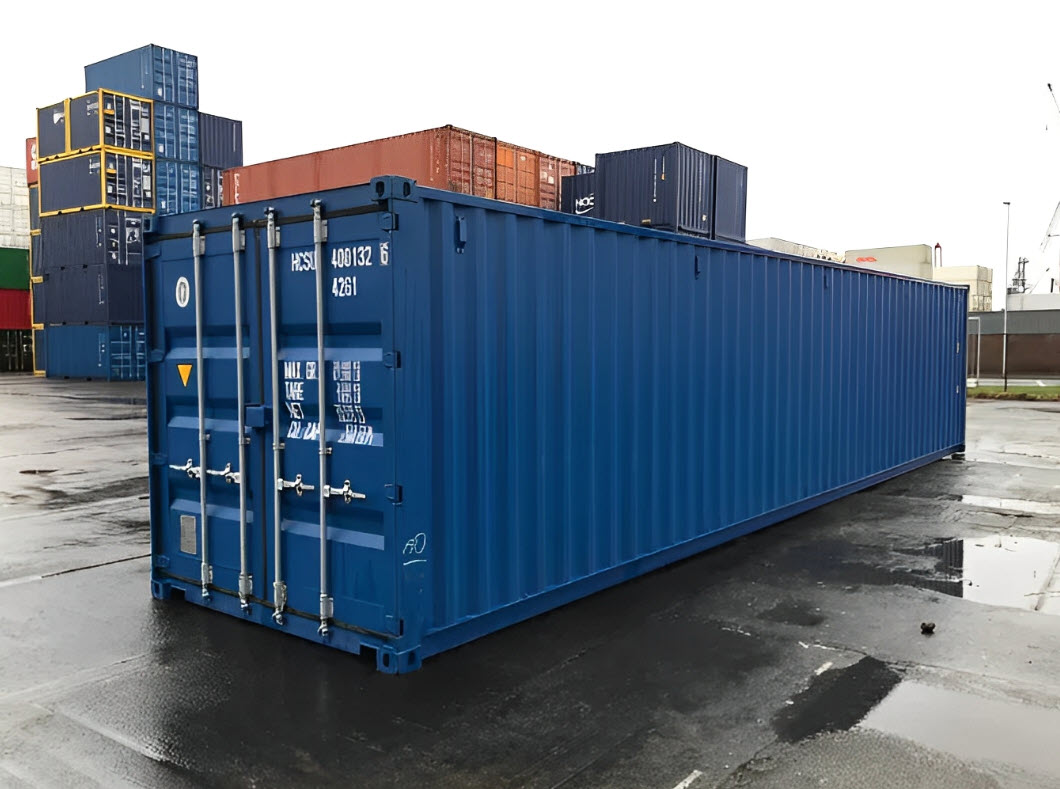

How Global Freight Rate Trends Affect What You Pay for a Shipping Container in the US
Written on December 13, 2024
by Adrian Stan
In the following categories: News
Most buyers shopping for a shipping container in the US are focused on the price tag in front of them — not what's happening at the Port of Shanghai or on European sea routes. But global freight market conditions have a direct and often underestimated effect on domestic container availability and pricing. Understanding the connection helps buyers time purchases better and avoid getting caught by sudden price spikes.
The Link Between Global Freight Markets and US Container Prices
Shipping containers are a globally traded commodity. The same steel boxes that move goods across oceans eventually cycle into the domestic resale market as they're retired from active shipping service. When global freight demand is high, containers stay in rotation longer. When demand drops or trade routes shift, surplus containers enter the used market — and prices follow.
Several global factors consistently drive this cycle:
- Port congestion — When major ports back up, containers pile up at terminals and can take weeks longer to cycle back into the resale pool. Domestic availability tightens and prices rise.
- Trade volume surges — High import volumes — particularly from Asia to the US — increase demand for containers in active use, reducing the supply available for domestic purchase.
- Geopolitical disruptions — Sanctions, conflict, canal closures, and trade policy changes reroute cargo and create regional container imbalances. Some markets see oversupply; others face shortages.
- Freight rate swings — When spot rates on major shipping lanes spike, carriers hold containers in service longer. When rates collapse, containers get retired and repositioned faster, often increasing used container availability.
What Has Been Driving Container Prices in 2025 and 2026
The last two years have seen unusually high volatility in both freight rates and container pricing. Several overlapping pressures have kept the market unpredictable:
- Red Sea disruptions rerouted significant cargo volumes around Africa, extending transit times and keeping containers in use longer than normal cycles
- US tariff policy changes created front-loading behavior — importers rushed shipments ahead of tariff deadlines, spiking demand for container space
- East Coast port congestion has remained elevated, slowing the return of containers into the resale supply chain
- Global trade volume hit record highs in 2024, keeping carrier utilization high and used container availability tight through early 2025
The practical result for US buyers: used container prices have been stickier than expected, and short windows of price relief — when they do appear — tend to sell out quickly.
How Buyers Can Use This Information
You don't need to track freight indices to be a smarter container buyer. But a few principles help:
- Act during price drop windows — When a depot releases discounted inventory, it reflects a temporary local surplus. These windows close fast. If you're in the market, move when pricing is favorable rather than waiting for further drops that may not come.
- Watch freight rate direction, not just container prices — Falling spot freight rates often precede increased used container availability by 60–90 days. If rates are declining, more used units may enter the market soon.
- Buy based on your timeline, not market speculation — Trying to time the container market perfectly is difficult even for industry professionals. If you need a container in the next 60 days, the cost of waiting usually exceeds any potential price savings.
- Get a depot-specific quote — National price trends matter less than what's actually available at the depot closest to you. Local inventory conditions vary significantly from the national picture.
Recent Global Disruptions and Their US Impact
Several specific events have shaped container availability and pricing in the US market over the past 12–18 months. For buyers who want deeper context, these articles cover the key disruptions:
- Global Port Congestion Analysis: East Coast Ports
- Shanghai Disruptions: Global Impact on Container Prices
- How Trade Policy Is Reshaping the 2026 Container Market
- When Freight Rates Skyrocket: What It Means for Importers
- China-Taiwan Tensions and Container Pricing
What This Means for Buying a Container in the US Right Now
Despite global volatility, domestic container inventory has remained broadly available through YES Containers' nationwide depot network. Pricing at any given depot reflects local supply conditions more than global headlines — which is why getting a ZIP-based quote is always the most accurate first step.
Current pricing by container type:
| Container Type | Typical Price Range (2026) | Market Trend |
|---|---|---|
| 20ft Standard Used | $2,000–$3,500 | Stable with periodic depot drops |
| 40ft Standard Used | $2,500–$4,500 | Moderate demand, limited surplus |
| 40ft High Cube Used | $3,000–$5,000 | High demand, tighter availability |
| 40ft High Cube New | $5,000–$7,500 | Price sensitive to freight rate direction |
For current pricing at your nearest depot, see the full container catalog or request a quote by ZIP code.
Related Reading
- What's Really Driving Container Prices: Global Freight Rate Trends
- Freight Rates Are Whipsawing Again: What It Means for Container Buyers
- Container Storage Solutions for Logistics Companies Near Major Ports
- Freight Container vs. Shipping Container: Are They the Same Thing?
- Global Shipping Heats Up: Spot Rates Surge as Demand Outpaces Capacity
Key Takeaways
- Global freight rate cycles directly affect used container availability and pricing in the US
- Port congestion, trade policy shifts, and geopolitical disruptions all tighten domestic container supply
- Falling freight rates often signal more used container availability 60–90 days out
- Local depot conditions matter more than national headlines — always get a ZIP-based quote
- Price drop windows are real but brief — acting when inventory is discounted beats waiting for an uncertain bottom
To check current availability and pricing at your nearest depot, get a quote here or call (800) 223-4755.